













We also considered 10 others:


Our Top Choice
Compare Features


The order above is not editorial opinion, and it is not paid placement. It comes from what shoppers across our network actually do - which deer cameras they compare, and which they ultimately buy. We re-rank as new data comes in, so the long-term favorites have to keep earning their spot against new entrants. The full method, including how we make money.
Deer Cameras Buyer's Guide
Deer cameras are a tradeoff between getting usable scouting data and keeping your intrusion low: every card pull, battery swap, or visible flash can pressure deer and change patterns. Prioritize night identification, dependable triggering, long unattended runtime, and connectivity that actually works at the stand or food plot—not just in a backyard test.
Image
You want a trail camera with clear photos and video because the whole point is to see what passed by, when it happened, and enough detail to identify animals, people, or patterns. Look for sharp daytime color, usable video detail, and strong night vision that illuminates the scene evenly without washing out close subjects or leaving distant movement invisible. Be wary of big megapixel claims alone, since real image quality also depends on the lens, sensor, motion blur control, and how well the camera handles low light.
For deer scouting, judge image quality by whether you can identify antlers, body size, direction of travel, and time of movement at real trail distances, especially at night. Do not rely only on advertised megapixels; look for sharp sample photos, low blur on moving deer, even infrared illumination without whiteout, and video that stays clear when animals cross the detection zone. Owner feedback supports this priority: buyers most often praise these cameras when daytime color, night vision, still photos, and video are crisp enough for wildlife monitoring and easy identification.
Reliability
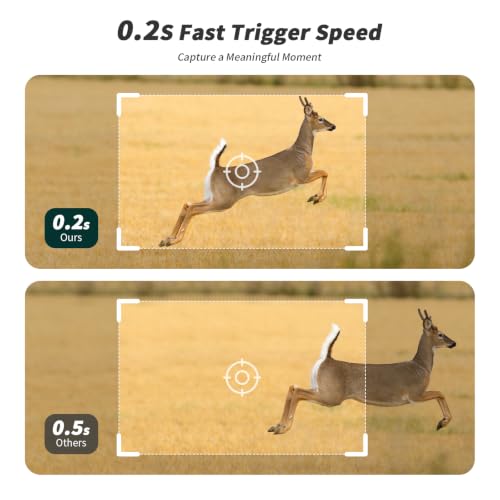
You need a trail camera you can trust to work consistently, because missed triggers, corrupted files, or random shutdowns can mean losing the only useful record of wildlife activity or property events. Look for signs of dependable quality and functionality, such as consistent detection, clear day-and-night captures, stable battery performance, and a weather-resistant build that holds up over repeated use.
A deer camera has to survive weeks on a tree through rain, heat, cold, condensation, insects, and repeated motion events, so check weather sealing, latch quality, gasket fit, operating-temperature range, SD-card stability, and whether users report missed triggers or false triggers from grass and sun. For hunting land, reliability also means the camera keeps its aim, timestamps correctly, and does not require frequent visits that add scent and disturbance. Owner sentiment is generally encouraging here, with many buyers describing dependable outdoor operation, straightforward capture of yard and trail activity, and solid performance for wildlife or security monitoring.
Battery
Battery life matters because a trail camera that drains quickly can miss activity and force you to visit the site more often, which may disturb wildlife or compromise your setup. Look for efficient standby performance, support for reliable battery types, and clear low-power indicators; if you want a solar-powered setup, make sure the panel can keep up in shaded, cloudy, or winter conditions rather than assuming it will run indefinitely.
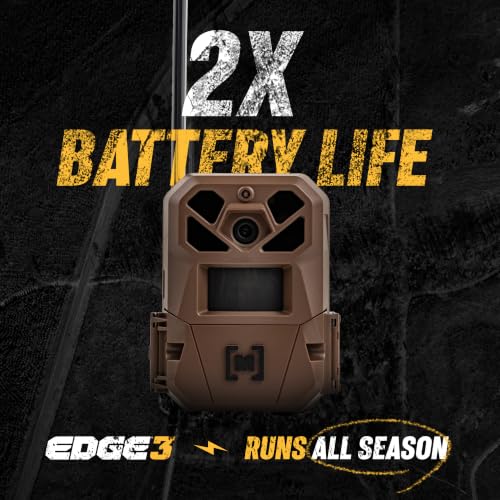
Battery life is a core scouting issue because dead cameras miss pattern changes, rut movement, and nighttime visits; favor models that support high-quality lithium batteries, efficient standby draw, and external or solar options if the site gets enough sun. Be cautious with solar panels under dense canopy or north-facing timber, and remember that video, cold weather, frequent triggers, and cellular uploads drain power much faster than simple photo mode. Owners strongly reinforce this concern, often praising solar or rechargeable designs for reducing battery swaps, extending unattended use, and lowering the need for routine field checks.
Value
You want a trail camera that fits your budget without forcing you to sacrifice the features that matter most, like reliable detection, clear images, battery life, and durable weather protection. Good value for money means the camera performs consistently for your use case, while a cheap option can cost more in missed shots, frequent battery changes, poor night images, or early failure.
Value in deer cameras is not just the unit itself; it is how much reliable coverage you can deploy across trails, scrapes, feeders, field edges, and access routes without constant maintenance. Compare total system needs such as memory cards, batteries, mounts, security boxes, cellular service requirements, no-glow capability, and whether a multi-camera setup gives you better intel than one feature-heavy unit. Owner feedback supports the idea that shoppers appreciate cameras that deliver clear images, usable motion capture, included essentials, and capable trail-cam features without forcing unnecessary extras.
Ease
Ease of use matters because a trail camera often needs to be set up quickly in the field, sometimes in low light, bad weather, or with gloves on. Look for clear menus, simple controls, straightforward mounting and aiming, and an easy way to review or adjust settings; watch out for confusing apps, tiny screens, or buried options that make basic tasks harder than they should be.
Ease of use matters because every extra minute at the camera adds scent, noise, and disturbance near deer movement; look for fast setup, a clear test mode for aiming, simple photo/video settings, easy SD formatting, front-access controls, and a screen or app view that lets you confirm framing before leaving. Avoid menus that make it hard to set time, sensitivity, delay, burst mode, or night settings, since small setup errors can ruin a whole siting period. Owners back this up by frequently praising cameras with clear instructions, intuitive menus, quick setup, convenient memory-card access, and straightforward field operation.
Connectivity
If you want images sent to your phone instead of pulled from an SD card, connectivity determines how reliably a trail camera can transmit from the places you actually use it. Look for support that matches your setup, whether that is cellular, Wi-Fi, or Bluetooth, and pay attention to signal needs, data or subscription requirements, battery impact, and how easy the app is to use for alerts, settings changes, and image management.
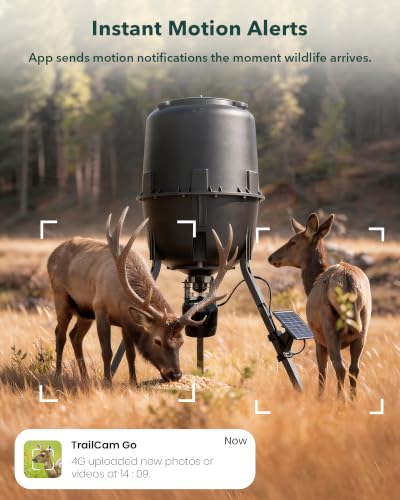
Choose connectivity based on how you will actually check the camera: cellular is best for remote deer spots where you want fewer visits, while WiFi or Bluetooth is mainly useful when you are standing nearby to aim, change settings, or pull photos. Before buying a cellular model, verify carrier coverage at the exact tree height and location, check upload settings and service requirements, and expect weak-signal areas to affect battery life and reliability; for WiFi models, do not assume driveway-camera range in timber. Owner sentiment matches this split: buyers value app control, remote setting changes, and cellular placement beyond WiFi reach, but also report that weak reception, offline drops, and limited WiFi transfer range can affect the experience.
1,000,000+ shoppers use Buyer's Guide every week to find the best products and services online.

Helping millions of users make smarter purchases online.


