





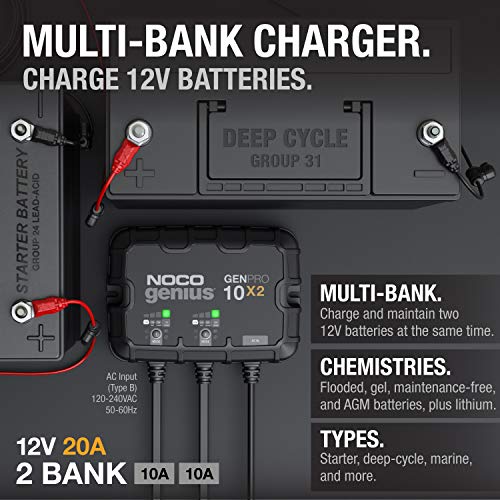


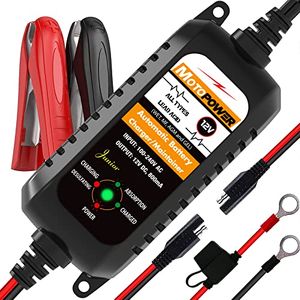


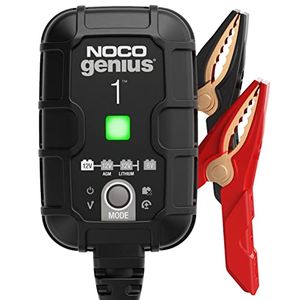


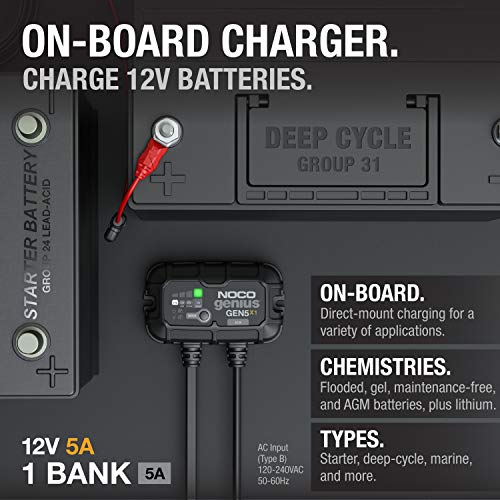


We also considered 10 others:


Our Top Choice
Compare Features


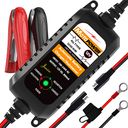
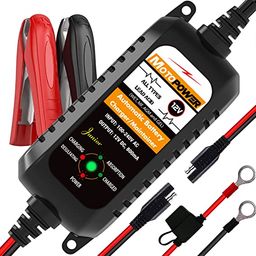
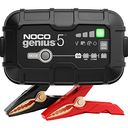
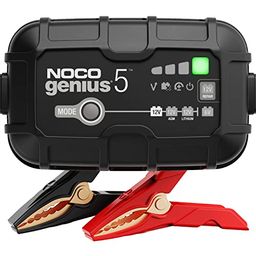
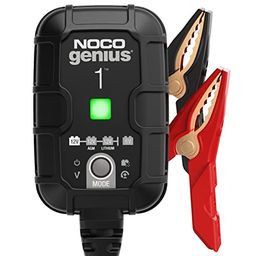


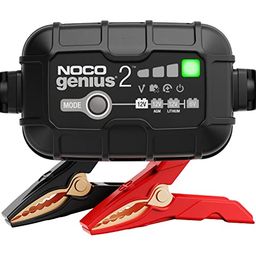
The order above is not editorial opinion, and it is not paid placement. It comes from what shoppers across our network actually do - which deep cycle marine battery chargers they compare, and which they ultimately buy. We re-rank as new data comes in, so the long-term favorites have to keep earning their spot against new entrants. The full method, including how we make money.
Deep Cycle Marine Battery Chargers Buyer's Guide
Deep-cycle marine battery chargers have to balance fast recovery after a day on the water with safe long-term maintenance while the boat sits unused. The sharpest concerns are matching the charger to your exact battery chemistry and bank layout, then making sure the unit is rugged enough for damp, vibrating, corrosion-prone marine compartments.
Charging
You want a charger that matches your battery type and size, delivers enough output for the way you’ll use it, and charges reliably without overheating or cutting out too soon. Pay attention to charging speed, boost or jump-start capability if you need it, and whether the charger can maintain, recover, or condition batteries safely rather than simply pushing maximum power.
For deep-cycle marine use, choose a charger with a true multi-stage profile per chemistry, enough amperage per bank for your battery capacity, and independent outputs if you run starting, house, and trolling-motor batteries. Avoid underpowered trickle-style units for large deep-cycle banks unless you only need long-term maintenance; also avoid aggressive recovery or equalization modes unless they are appropriate for your battery type, since sealed AGM and lithium batteries can be damaged by the wrong high-voltage routine. Owner feedback supports prioritizing charging strength: buyers repeatedly value chargers that bring weak or deeply discharged batteries back, charge faster than smaller units, and maintain two or three boat batteries at once with little intervention.
Battery
A good charger should protect battery life as much as it restores charge, so look for smart maintenance features like automatic shutoff, float or trickle modes, and safeguards against overcharging or overheating. If you need to revive weak or neglected batteries, recovery or repair modes can help, but they cannot fix every battery, so be wary of chargers that overpromise dramatic capacity restoration.
Match the charger to the exact battery bank you have: flooded lead-acid, AGM, gel, or LiFePO4 all need different voltage targets and float behavior. For marine deep-cycle banks, check amp-hour capacity, series/parallel wiring, whether each bank is 12V/24V/36V, and whether the charger can safely maintain batteries over winter without overcharging; for lithium, look for a LiFePO4-specific profile and BMS wake-up support. Owners commonly praise maintainers that keep seldom-used batteries from going dead, support multi-bank boat setups, and provide float or maintenance charging that keeps large batteries topped off during storage.
Compatibility
Make sure the charger supports the battery types and sizes you actually use, since the wrong compatibility can mean slow charging, poor fit, or unsafe operation. Look for clear support for your battery chemistry, voltage, and physical format, plus the right ports or clamps for your charging situation. If you charge different devices or vehicles, prioritize versatile charging options, but avoid assuming “universal” means it works with every battery.
Do not assume any “marine” charger fits every boat battery system: verify voltage, chemistry, number of banks, connector style, and whether each output is electrically isolated for separate batteries. If you may upgrade from flooded or AGM to lithium, buy a charger with selectable modes rather than a lead-acid-only unit; if you use trolling motors, confirm it supports the full multi-battery configuration rather than just one 12V battery. Owner sentiment reinforces this point, with shoppers especially appreciating chargers that handle common lead-acid or AGM setups while also supporting lithium and deep-cycle marine batteries, and units that can maintain dual-battery or multi-vehicle setups without fuss.
Reliability
You want a charger that works consistently every time you connect a battery, because unreliable charging can leave you stranded or force you to keep troubleshooting instead of getting the job done. Look for models known for stable operation, accurate status indicators, and dependable automatic shutoff or maintenance modes, and watch out for complaints about error codes, failed starts, overheating, or chargers that stop recognizing batteries.
A marine charger must survive long unattended storage, vibration, shore-power use, and damp compartments, so look for dependable float logic, clear fault protection, reverse-polarity protection, spark protection, thermal protection, and safe restart after power loss. For an onboard installation, reliability also means the charger can be left connected without cooking batteries and can recover cleanly after a marina power interruption. Owner reports back this up: buyers express confidence in chargers that simply keep batteries maintained, feel durable, provide reassuring indicators, and operate dependably in regular boat-mounted or seasonal-use scenarios.
Usability
A battery charger should be easy to set up, read, and control so you can connect it correctly and start charging without guesswork. Look for clear clamps or connectors, straightforward mode selection, and a display that shows charging status, errors, and battery condition at a glance. Watch out for chargers with confusing buttons, vague indicator lights, or instructions that make common tasks feel harder than they should.
For a boat, usability is about preventing mistakes in cramped, low-light compartments: look for clear bank-by-bank status lights, labeled leads, easy mode selection, and enough cable length to reach each battery without unsafe splices. If the charger is onboard, make sure installation is manageable around battery trays, hatches, and engine-bay routing; if portable, check that clamps are sturdy and easy to use on marine terminals. Owners consistently favor chargers that are largely automatic, simple to connect, clear in their status indicators, and close to plug-and-play once mounted.
Build
You want a charger that feels solid enough to handle regular use, storage, and the occasional bump without cracked housings, loose ports, or flimsy clamps. Look for durable cables with enough length to reach comfortably, secure connectors that grip well, and a design that manages heat without getting excessively hot during longer charging sessions.
Marine build quality should mean more than a sturdy case: prioritize waterproof or water-resistant construction, corrosion-resistant hardware, strain-relieved thick cables, sealed electronics, adequate heat dissipation, and a compact shape that fits securely in a battery compartment. Avoid flimsy automotive-style maintainers for permanent boat mounting unless they are rated for the environment; vibration, salt air, bilge moisture, and heat can expose weak cables and poor sealing quickly. Owner feedback supports choosing rugged construction, with buyers calling out solid feel, useful cable length, compact marine-grade fit, waterproofing, thick cables, and durable materials as reasons they trust these chargers long term.
1,000,000+ shoppers use Buyer's Guide every week to find the best products and services online.

Helping millions of users make smarter purchases online.


