








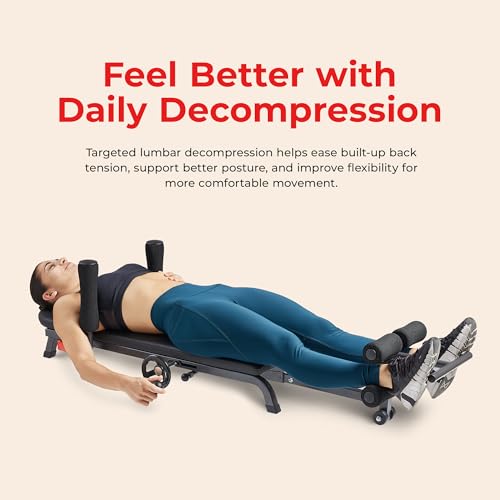


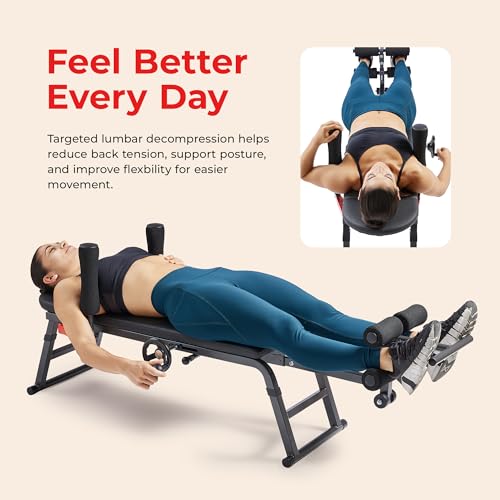
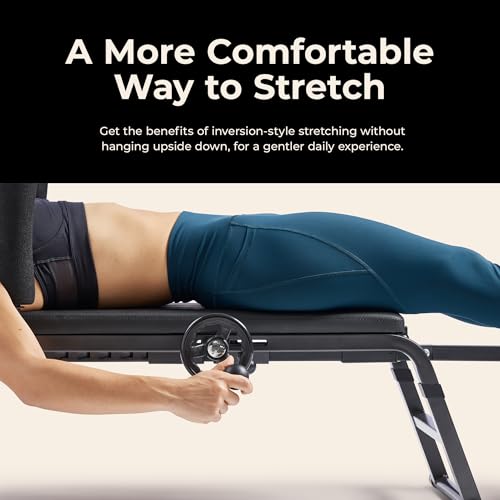


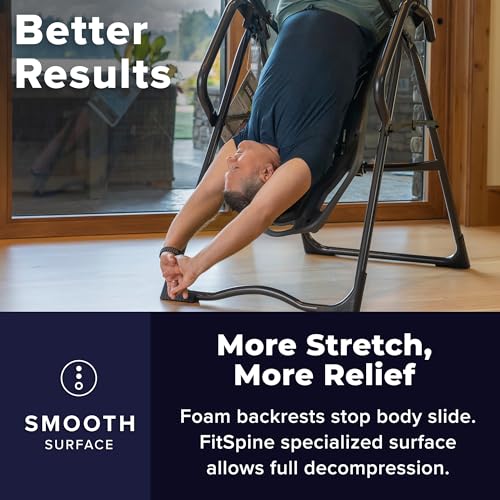

We also considered 10 others:


Our Top Choice
The order above is not editorial opinion, and it is not paid placement. It comes from what shoppers across our network actually do - which decompression tables they compare, and which they ultimately buy. We re-rank as new data comes in, so the long-term favorites have to keep earning their spot against new entrants. The full method, including how we make money.
Decompression Tables Buyer's Guide
Decompression tables sit between simple stretching aids and clinical traction equipment: they need to create real spinal unloading while keeping the user stable, aligned, and in control. The sharpest buying concerns are whether the table fits your body well enough to produce safe traction, and whether the frame, controls, and instructions make repeated home use realistic.
Traction Relief
The main reason to buy a decompression table is controlled traction that reduces spinal loading without forcing the user into an unsafe or unsustainable position. In this category, the best results usually come from a stretch that is strong enough to create relief but adjustable enough to avoid aggravating irritated discs, nerves, or muscle spasms.
Prioritize a table that produces gradual, controllable traction through the lower back and, if needed, the neck—not just a generic stretching bench. Look for a design that lets you ease into the pull, maintain alignment while lying down, and stop quickly if nerve symptoms increase; avoid setups that rely on abrupt release, awkward leverage, or uncontrolled hanging if you need repeatable home decompression. Owner reports strongly favor models that deliver a real spinal stretch and can help with back pain, sciatica, compressed-disc discomfort, and pressure on irritated nerves when used correctly. Several buyers also describe meaningful relief from spinal compression symptoms, including nerve irritation and better sleep, which reinforces that effectiveness depends on traction that is both strong and usable.
Body Fit
A decompression table has to fit the user's body and pain pattern, because poor positioning can turn traction into strain. Small differences in board width, handle reach, head support, foot holds, and arm placement can decide whether a session feels therapeutic or awkward.
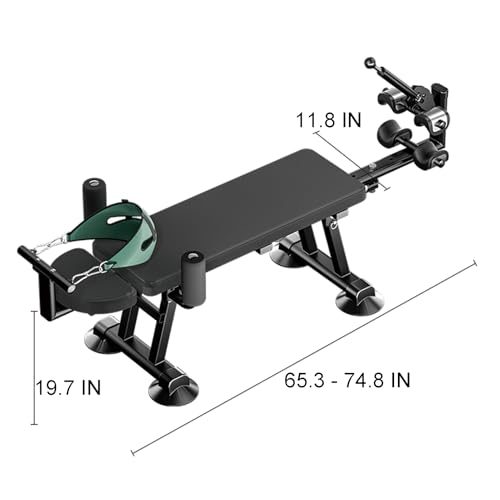
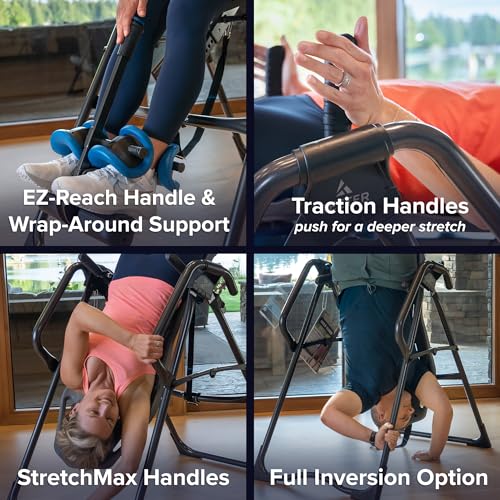
Check the usable board width, body-length range, head or neck cradle design, foot pads, armpit bars, and handle reach before buying. A good decompression table should hold you securely without pinching, twisting the neck, forcing the shoulders up, or making it difficult to get on and off; if you have broad shoulders, limited mobility, or neck involvement, fit details matter as much as the traction rating. Owner sentiment shows comfort is highly personal: some users get a comfortable, gentle stretch, while others find the lying board too narrow, the body position awkward, the foot pads or armpit bars uncomfortable, or the handle reach hard to manage. The head holder is also a recurring weak spot in some experiences, with fit problems that can undermine neck-stretch setup.
Stable Build
Because decompression involves the spine, stability is not just a durability concern; it is a safety concern. A table that flexes, shifts, or has poorly aligned parts can make the stretch feel unpredictable and harder to control.
Choose a decompression table with a rigid frame, secure locking points, smooth adjustment hardware, and a stated user-size range that leaves margin for your body weight and height. Avoid flimsy frames, vague load ratings, wobbly leg assemblies, or parts that need bending or force to line up, because traction magnifies small stability problems. Owners praise sturdy, strong, well-built units and often distinguish them from flimsy alternatives, and build quality is repeatedly tied to satisfaction. At the same time, stability is a split point: while many buyers call these devices sturdy, some report bent parts or needed adjustments before the unit felt right, so inspection during assembly matters.
Therapy Controls
Decompression tables are more useful when the stretch can be tuned to the session rather than treated as one fixed position. Heat, vibration, massage, or electrotherapy can help some users relax guarding muscles, but those extras should support traction rather than replace proper alignment and control.
Look for clear traction adjustment, predictable release, and session settings that can be changed without losing body position. If extras are included, adjustable heat, massage, vibration, or EMS/TENS-style stimulation are most valuable when they have separate intensity levels and can be turned off independently; avoid devices where add-ons complicate safe setup or obscure what the traction is doing. Owners respond well to combinations of traction, heat, vibration, and EMS/TENS, especially for easing spasms and taking pressure off irritated nerves. Adjustable heat, massage, and electrotherapy settings are also praised because they let users tailor sessions to what feels helpful.
Setup Ease
A decompression table is only as good as the user's ability to set it up, position correctly, and exit safely. Confusing instructions or hard-to-reach controls can turn a potentially helpful device into one that is abandoned or used incorrectly.
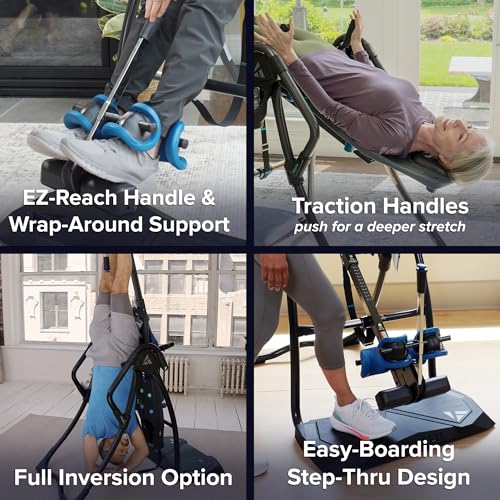
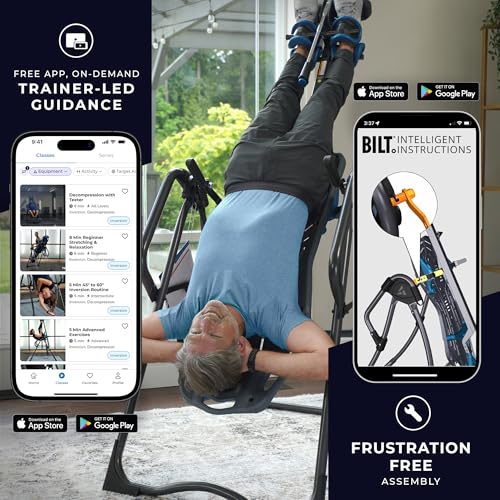
Favor tables with clear illustrated assembly steps, labeled hardware, simple neck-traction setup, and controls you can operate while already positioned. For home use, the table should be easy to mount, secure, release, and get off without twisting the back; if the design requires precise foot locking or arm engagement, make sure those steps are obvious and repeatable. Owners often say setup is straightforward when directions and packaging are clear, with some getting assembled in about 20 minutes. However, instructions are also a notable weak spot for some buyers, especially around assembly and neck-stretch setup, and several users say the stretch can feel awkward until foot security and arm engagement are dialed in.
Home Value
Many shoppers compare a home decompression table against recurring appointments or larger clinical-style machines. The right value is not the cheapest table, but the one that offers safe traction, adequate fit, and durable construction often enough to justify the space it takes up.
Judge value by how often you can realistically use the table, whether it fits your body and symptoms, and whether the frame and controls feel dependable enough for repeated sessions. A low-cost option is not a bargain if it is uncomfortable, unstable, or too confusing to use; conversely, a well-equipped table can make sense if it reduces reliance on repeated decompression visits and supports consistent home care. Owners frequently describe these devices as worthwhile because they can substitute for repeated chiropractor or physical-therapy decompression sessions. Sentiment also points to strong value when the machine feels effective, sturdy, and well equipped without overspending.
1,000,000+ shoppers use Buyer's Guide every week to find the best products and services online.

Helping millions of users make smarter purchases online.


