





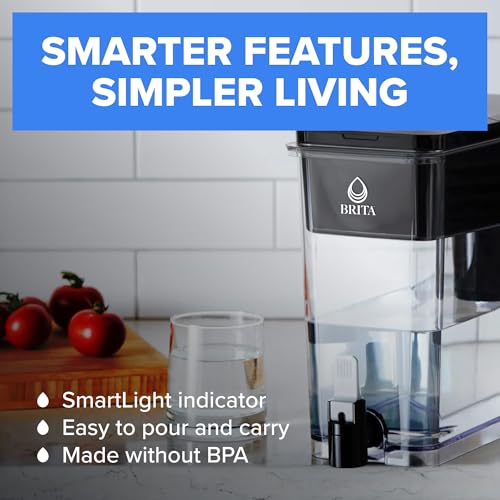


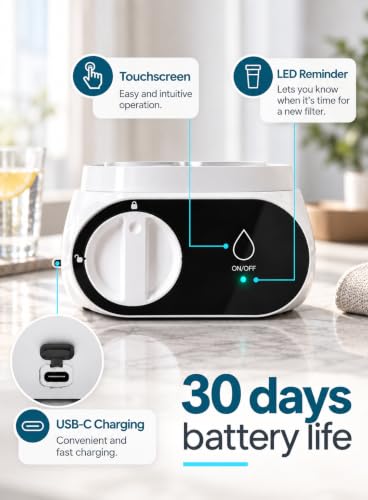


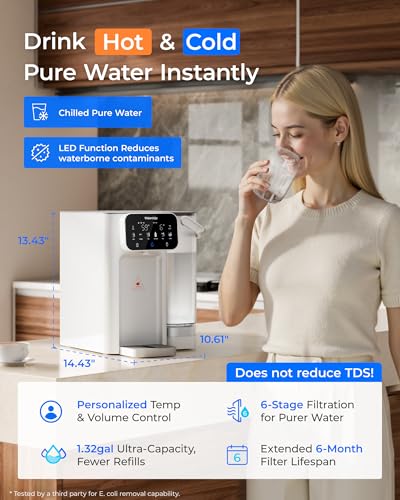


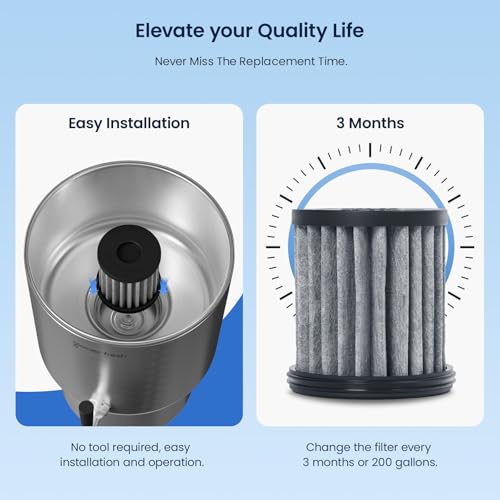
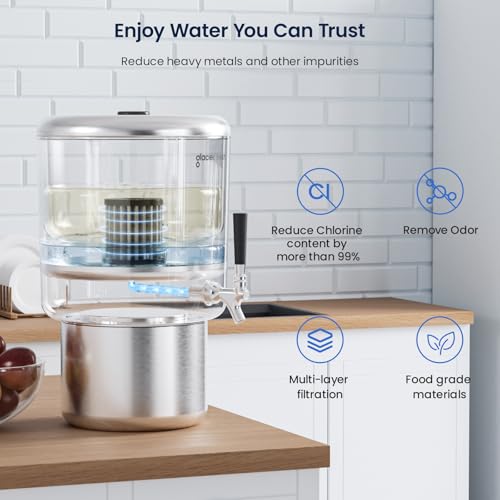


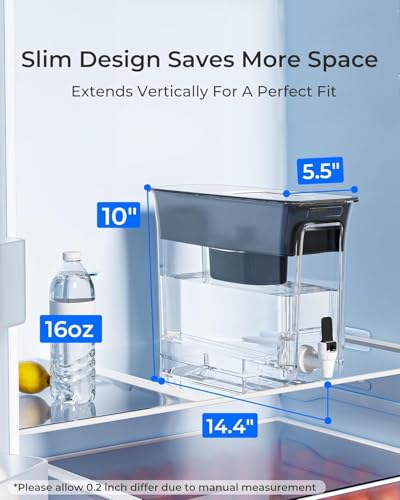


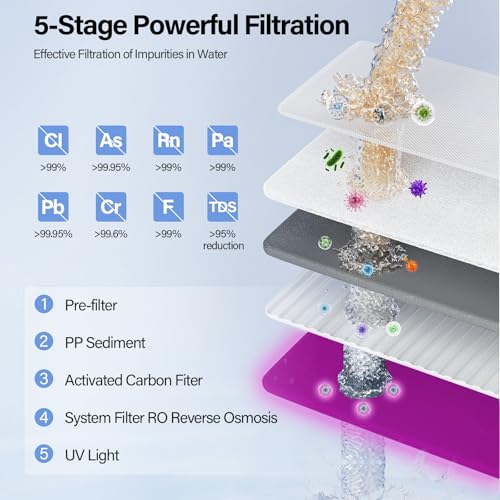
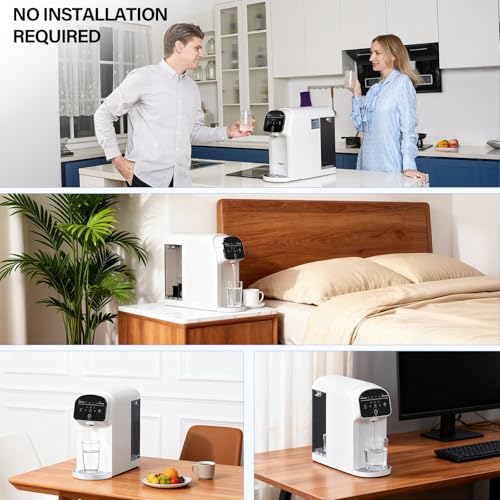


We also considered 10 others:


Our Top Choice
Compare Features


The order above is not editorial opinion, and it is not paid placement. It comes from what shoppers across our network actually do - which countertop water filters they compare, and which they ultimately buy. We re-rank as new data comes in, so the long-term favorites have to keep earning their spot against new entrants. The full method, including how we make money.
Countertop Water Filters Buyer's Guide
Countertop water filters trade permanent plumbing and bottled-water hauling for limited counter space, reservoir capacity, and very different filtration capabilities. The sharpest buying risks are choosing a unit that improves taste but does not target your actual contaminants, or buying a countertop RO system without checking refill speed, wastewater, cleaning, and remineralization needs.
Purity
Purity matters because it determines how much a filtration system can improve the water you drink, cook with, and use every day, including taste, odor, clarity, and the “softness” feel that affects skin, hair, fixtures, and appliances. Look for systems that target the specific issues in your water, such as sediment, chlorine, metals, chemicals, microbes, or hardness minerals, and be wary of vague filtration claims that do not clearly state what contaminants are reduced or how often filters need replacement.
For countertop water filters, buy for the contaminants actually in your water, not for a vague “pure water” claim: look for third-party certifications or test data tied to standards such as chlorine/taste-and-odor, lead, PFAS, VOCs, cysts, or reverse-osmosis TDS reduction, and be especially cautious with untreated well water because most countertop units are not a substitute for disinfection unless they specifically include validated UV or microbiological protection. If choosing countertop RO, check whether it has a post-filter or remineralization stage, plus a stated wastewater ratio and tank-cleaning procedure. Owner feedback supports the payoff when the match is right: buyers often report clearer, cleaner water, reduced chlorine odor, lower TDS, and reassuring test results, especially from harsh tap, hard, or well-water sources.
Taste
If your filtered water still tastes or smells off, you’re less likely to drink it or use it for coffee, tea, ice, and cooking. Look for a system designed to reduce common taste and odor issues such as chlorine, sulfur-like smells, or earthy notes, and check that its filter type matches the source of your problem. Watch for systems that improve taste without addressing broader contaminants if you also need filtration for health-related concerns.
For taste, the key countertop choice is carbon-only versus RO: carbon filters are often best when the main problem is chlorine, chloramine-like chemical taste, or stale municipal water, while RO can make hard or mineral-heavy water taste much crisper but may taste flat unless the system includes remineralization or a polishing stage. Also check whether the reservoir material can add off-flavors; glass or well-rated food-contact plastics, thorough filter flushing, and easy tank cleaning matter. Owners commonly back this up, saying filtered water tastes cleaner, fresher, and more refreshing, with strong improvements over chlorine-heavy, chemical-tasting, hard, or well water.
Flow
You want a water filtration system that keeps filtered water moving at a usable pace, especially if you’re filling pitchers, cooking, showering, or supplying multiple fixtures. Check the rated flow rate and any impact on water pressure, and watch for systems that slow noticeably as filters age or when more than one tap is in use.
For countertop use, “flow” is really two things: how fast it dispenses into a glass and how long the unit takes to make the next batch. Gravity units can be slow but silent, faucet-diverter units depend on sink pressure and aerator compatibility, and countertop RO units may dispense quickly from a small clean-water tank but need recovery time after heavy use. Check the rated dispense rate, daily production, clean-tank capacity, and whether it can keep up with cooking, coffee, pets, or multiple people. Owner sentiment is mostly positive when flow is strong, with many appreciating fast glass fills and steady output, though pressure-dependent setups can see noticeable slowdowns.
Build
Build quality matters because a water filtration system sits under pressure and often near cabinets, floors, or appliances where leaks can cause damage. Look for sturdy housings, secure fittings, well-made valves, and clear installation hardware; watch out for flimsy plastic threads, vague connector specs, or owner reports of leakage, cracking, or difficult seal-ups.
For build quality, prioritize leak resistance, food-contact materials, and serviceable parts over countertop styling alone: look for sturdy reservoirs, tight seals, stable bases, accessible filters, drip management, and clear guidance for descaling or sanitizing the tank. If the unit is electric or RO-based, check pump noise, power-cord placement, automatic shutoff, leak detection, and whether replacement cartridges and seals are easy to source. Owners tend to reward models that feel dependable, straightforward to set up, and sturdy in daily use, with some especially liking heavier glass reservoirs or cleaner-looking materials over flimsy plastic.
Usability
You’ll live with a water filtration system every day, so ease of use can matter as much as filtration performance. Look for straightforward controls, clear filter-life indicators, simple installation or refilling steps, and filter changes you can do without special tools or mess. Watch out for systems with awkward access points, frequent maintenance, or hard-to-find replacement filters, since those hassles can make you less likely to keep the system working properly.
For usability, measure your counter before buying: confirm cabinet clearance for filling, room near an outlet if powered, sink access if faucet-connected, and whether the full reservoir is comfortable to lift. Rental-friendly countertop units avoid plumbing changes, but you still need to check filter priming, flush cycles, tank cleaning, cartridge-change steps, and whether the display or indicator clearly tells you when filters are exhausted. Owner feedback strongly favors units that avoid under-sink work, plug in or set up easily, fill and stop automatically, and remain simple once the instructions are followed.
Value
A water filtration system’s value for money depends on more than the upfront cost; you should also factor in filter lifespan, replacement cartridge prices, maintenance needs, and any installation costs. Look for a system that matches your household’s water use and filtration needs without locking you into expensive or hard-to-find replacements. Be wary of low-priced systems that require frequent filter changes or don’t clearly state ongoing costs.
For value, calculate the cost per gallon using the specific replacement filters, RO membrane schedule, pre/post-filter schedule, and expected capacity in your household—not just the upfront cost. Countertop RO can save bottled-water trips but may have more cartridges, wastewater, electricity use, and cleaning needs; carbon or gravity units can be cheaper to maintain but may not address the contaminants you care about. Owners most often see strong value when the unit replaces bottled water, jug refills, or frequent pitcher-filter changes while still fitting the counter and producing water they actually prefer drinking.
1,000,000+ shoppers use Buyer's Guide every week to find the best products and services online.

Helping millions of users make smarter purchases online.


