
Best Countertop Water Filter Systems Updated October 2026

Best Countertop Water Filter Systems
2026 Buyer's GuideUpdated October 2026
Sort by:
1

10.0

Waterdrop C2SL Countertop Reverse Osmosis Water Filter, [ Mineral Added ]
Type: Countertop
Filtration Process: 7-stage with reverse osmosis
Filter Lifespan: 528 gallons
Flow Rate: 75 gallons per day
Dimensions: 5.98” wide x 14.87” deep x 11.4” tall

10.0

1
Waterdrop C2SL Countertop Reverse Osmosis Water Filter, [ Mineral Added ]
Type: Countertop
Filtration Process: 7-stage with reverse osmosis
Filter Lifespan: 528 gallons
Flow Rate: 75 gallons per day
Dimensions: 5.98” wide x 14.87” deep x 11.4” tall
2

9.7

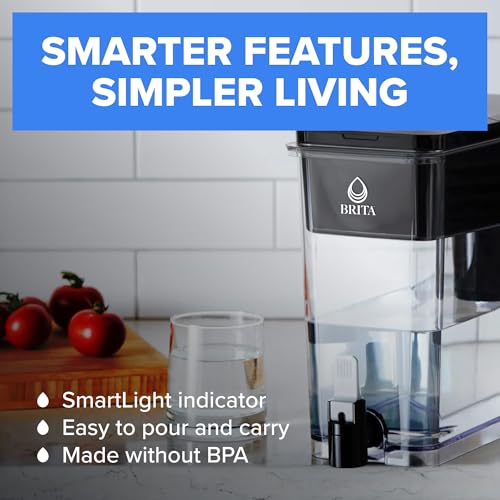
Brita XL 27 Cup Water Pitcher Dispenser, Includes 1 Elite Filter, Black
Type: Countertop
Filtration Process: Not indicated
Filter Lifespan: 120 gallons
Flow Rate: Not indicated
Dimensions: 5.2" wide x 13.9" deep x 9.7" tall
Compare

9.7

2
Brita XL 27 Cup Water Pitcher Dispenser, Includes 1 Elite Filter, Black
Type: Countertop
Filtration Process: Not indicated
Filter Lifespan: 120 gallons
Flow Rate: Not indicated
Dimensions: 5.2" wide x 13.9" deep x 9.7" tall
3

9.4

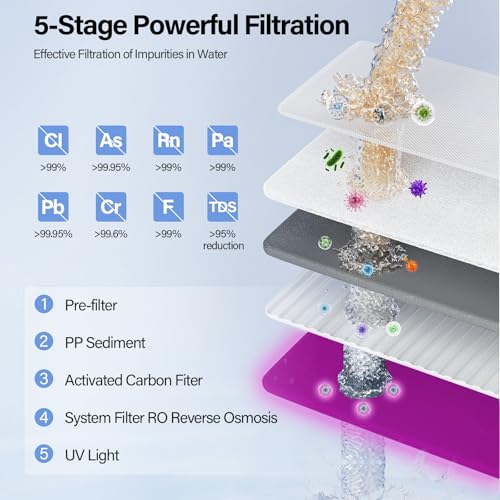
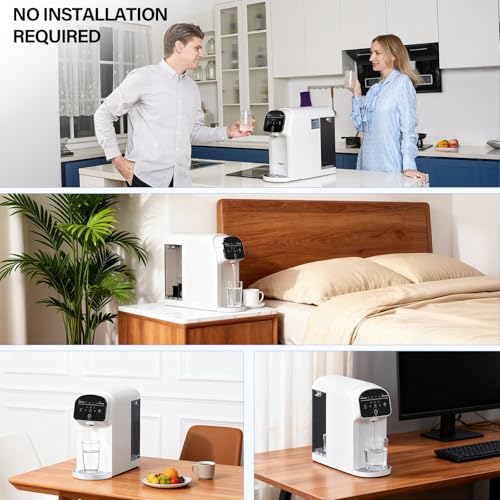
Aigerri Countertop Reverse Osmosis Water Filter, 5-Stage RO Water Filtration System with UV, 5:1 Pure-to-Drain Ratio, No Instal...
Type: Countertop
Filtration Process: 5-stage with reverse osmosis
Filter Lifespan: 529 gallons
Flow Rate: Not indicated
Dimensions: 7.4” wide x 16.2” deep x 16.4” tall
Compare

9.4

3
Aigerri Countertop Reverse Osmosis Water Filter, 5-Stage RO Water Filtration System with UV, 5:1 Pure-to-Drain Ratio, No Instal...
Type: Countertop
Filtration Process: 5-stage with reverse osmosis
Filter Lifespan: 529 gallons
Flow Rate: Not indicated
Dimensions: 7.4” wide x 16.2” deep x 16.4” tall
Compare
4

9.2

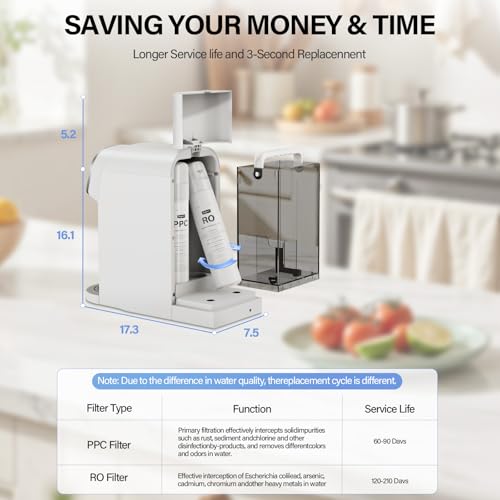
Countertop Reverse Osmosis Water Filtration System
Type: Countertop
Filtration Process: 4-in-2 with reverse osmosis
Filter Lifespan: 528 gallons
Flow Rate: Not indicated
Dimensions: 16.1” wide x 6.3” deep x 12” tall
Compare

9.2

4
Countertop Reverse Osmosis Water Filtration System
Type: Countertop
Filtration Process: 4-in-2 with reverse osmosis
Filter Lifespan: 528 gallons
Flow Rate: Not indicated
Dimensions: 16.1” wide x 6.3” deep x 12” tall
Compare
5

9.1

AquaTru Water Purification Unit - Certified NSF/ANSI Standards, Removes 84 Contaminants, No Plumbing Required, Cost-Effective, ...
Type: Countertop
Filtration Process: 4-stage with reverse osmosis
Filter Lifespan: 300 & 600 gallons
Flow Rate: Not indicated
Dimensions: 14" wide x 14" deep x 12" tall
Compare

9.1

5
AquaTru Water Purification Unit - Certified NSF/ANSI Standards, Removes 84 Contaminants, No Plumbing Required, Cost-Effective, ...
Type: Countertop
Filtration Process: 4-stage with reverse osmosis
Filter Lifespan: 300 & 600 gallons
Flow Rate: Not indicated
Dimensions: 14" wide x 14" deep x 12" tall
Compare
6

9.0

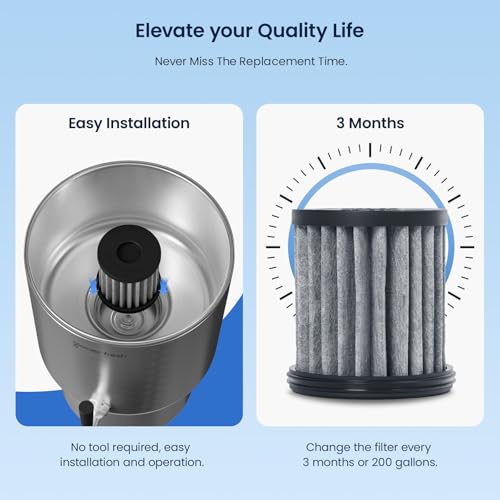
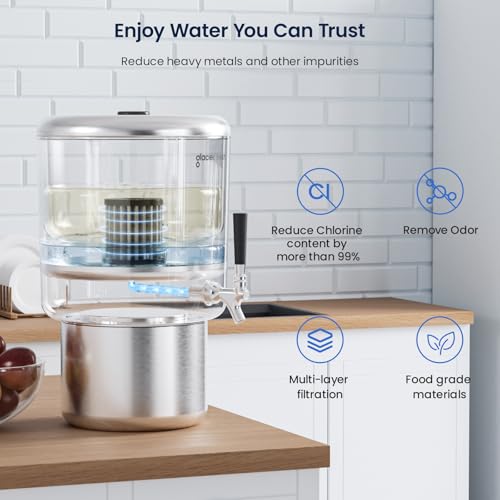
GLACIER FRESH PC04 Gravity-Fed Countertop Water Filtration System
Type: Countertop
Filtration Process: Single stage
Filter Lifespan: 200 gallons
Flow Rate: Not indicated
Dimensions: 13.58” wide x 14.25” deep x 16.14” tall
Compare

9.0

6
GLACIER FRESH PC04 Gravity-Fed Countertop Water Filtration System
Type: Countertop
Filtration Process: Single stage
Filter Lifespan: 200 gallons
Flow Rate: Not indicated
Dimensions: 13.58” wide x 14.25” deep x 16.14” tall
Compare
7

8.8

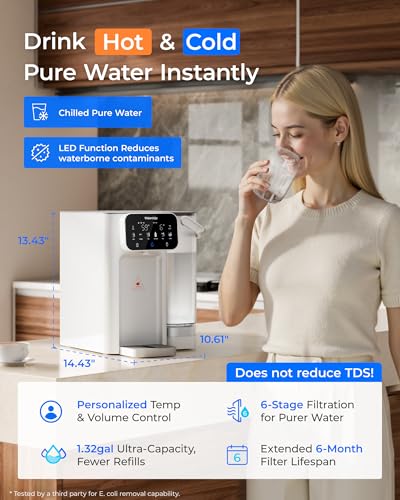
Waterdrop CT01 Countertop Water Filter System, Hot and Cold Water Dispenser
Type: Countertop
Filtration Process: 6-stage
Filter Lifespan: 300 gallons
Flow Rate: Not indicated
Dimensions: 10.61” wide x 14.43” deep x 13.43” tall
Compare

8.8

7
Waterdrop CT01 Countertop Water Filter System, Hot and Cold Water Dispenser
Type: Countertop
Filtration Process: 6-stage
Filter Lifespan: 300 gallons
Flow Rate: Not indicated
Dimensions: 10.61” wide x 14.43” deep x 13.43” tall
Compare
8

8.7

SimPure Y7P-BW UV Countertop Reverse Osmosis Water Filter, 5 Stage RO
Type: Countertop
Filtration Process: 4-stage with reverse osmosis
Filter Lifespan: Not indicated
Flow Rate: 418 gallons per day
Dimensions: 10" wide x 19" deep x 19" tall
Compare

8.7

8
SimPure Y7P-BW UV Countertop Reverse Osmosis Water Filter, 5 Stage RO
Type: Countertop
Filtration Process: 4-stage with reverse osmosis
Filter Lifespan: Not indicated
Flow Rate: 418 gallons per day
Dimensions: 10" wide x 19" deep x 19" tall
9

8.6

Waterdrop G3P600 Tankless Reverse Osmosis Water Filter System, 600 GPD
Type: Under sink
Filtration Process: 8-stage with reverse osmosis
Filter Lifespan: 2,200 gallons
Flow Rate: 0.42 gallons per minute
Dimensions: 5.7" wide x 18.1" deep x 17.7" tall
Compare

8.6

9
Waterdrop G3P600 Tankless Reverse Osmosis Water Filter System, 600 GPD
Type: Under sink
Filtration Process: 8-stage with reverse osmosis
Filter Lifespan: 2,200 gallons
Flow Rate: 0.42 gallons per minute
Dimensions: 5.7" wide x 18.1" deep x 17.7" tall
10

8.4

Bluevua RO100ROPOT Countertop Reverse Osmosis Water Filter System
Type: Countertop
Filtration Process: 6-stage with reverse osmosis
Filter Lifespan: Not indicated
Flow Rate: Not indicated
Dimensions: 10.8" wide x 14" deep x 15.5" tall
Compare

8.4

10
Bluevua RO100ROPOT Countertop Reverse Osmosis Water Filter System
Type: Countertop
Filtration Process: 6-stage with reverse osmosis
Filter Lifespan: Not indicated
Flow Rate: Not indicated
Dimensions: 10.8" wide x 14" deep x 15.5" tall

Our Top Choice

1

10.0

Waterdrop C2SL Countertop Reverse Osmosis Water Filter, [ Mineral Added ]
Type: Countertop
Filtration Process: 7-stage with reverse osmosis
Filter Lifespan: 528 gallons
Flow Rate: 75 gallons per day
Dimensions: 5.98” wide x 14.87” deep x 11.4” tall

10.0

1
Waterdrop C2SL Countertop Reverse Osmosis Water Filter, [ Mineral Added ]
Type: Countertop
Filtration Process: 7-stage with reverse osmosis
Filter Lifespan: 528 gallons
Flow Rate: 75 gallons per day
Dimensions: 5.98” wide x 14.87” deep x 11.4” tall

Compare Features

Filtration Process
Best Overall
1. Waterdrop C2SL Countertop Reverse Osmosis Water Filter, [ Mineral Added ]
WATERDROP Preview WATERDROP Preview
WATERDROP
at Amazon
Best Value
2. Brita XL Water Filter Dispenser
BRITA Preview BRITA Preview
BRITA
at Amazon
3. Aigerri Countertop Reverse Osmosis Water Filter, 5-Stage RO Water Filtration System with UV, 5:1 Pure-to-Drain Ratio, No Instal...
AIGERRI Preview AIGERRI Preview
AIGERRI
at Amazon
4. Countertop Reverse Osmosis Water Filtration System
PURCOOFLOW Preview PURCOOFLOW Preview
PURCOOFLOW
at Amazon
5. AquaTru Classic Countertop Water Purifier
AQUA TRU Preview AQUA TRU Preview
AQUA TRU
at Amazon
6. GLACIER FRESH PC04 Gravity-Fed Countertop Water Filtration System
GLACIER FRESH Preview GLACIER FRESH Preview
GLACIER FRESH
at Amazon
7. Waterdrop CT01 Countertop Water Filter System, Hot and Cold Water Dispenser
WATERDROP Preview WATERDROP Preview
WATERDROP
at Amazon
8. SimPure Y7P UV RO Water Filtration System
SIMPURE Preview SIMPURE Preview
SIMPURE
at Amazon
Premium Pick
9. Waterdrop G3 Reverse Osmosis Water Filtration System
WATERDROP Preview WATERDROP Preview
WATERDROP
at Amazon
10. Bluevua RO100ROPOT-UV Reverse Osmosis System
BLUEVUA Preview BLUEVUA Preview
BLUEVUA
at Amazon
Deal
-11% — -22% — -10% -44% -28% -15% -19% -10%
Deal -11% — -22% — -10% -44% -28% -15% -19% -10%
Type
Countertop Countertop Countertop Countertop Countertop Countertop Countertop Countertop Under sink Countertop
Type
Countertop Countertop Countertop Countertop Countertop Countertop Countertop Countertop Under sink Countertop
Filtration Process
7-stage with reverse osmosis Not indicated 5-stage with reverse osmosis 4-in-2 with reverse osmosis 4-stage with reverse osmosis Single stage 6-stage 4-stage with reverse osmosis 8-stage with reverse osmosis 6-stage with reverse osmosis
Filtration Process
7-stage with reverse osmosis Not indicated 5-stage with reverse osmosis 4-in-2 with reverse osmosis 4-stage with reverse osmosis Single stage 6-stage 4-stage with reverse osmosis 8-stage with reverse osmosis 6-stage with reverse osmosis
Filter Lifespan
528 gallons 120 gallons 529 gallons 528 gallons 300 & 600 gallons 200 gallons 300 gallons Not indicated 2,200 gallons Not indicated
Filter Lifespan
528 gallons 120 gallons 529 gallons 528 gallons 300 & 600 gallons 200 gallons 300 gallons Not indicated 2,200 gallons Not indicated
Flow Rate
75 gallons per day Not indicated Not indicated Not indicated Not indicated Not indicated Not indicated 418 gallons per day 0.42 gallons per minute Not indicated
Flow Rate
75 gallons per day Not indicated Not indicated Not indicated Not indicated Not indicated Not indicated 418 gallons per day 0.42 gallons per minute Not indicated
Dimensions
5.98” wide x 14.87” deep x 11.4” tall 5.2" wide x 13.9" deep x 9.7" tall 7.4” wide x 16.2” deep x 16.4” tall 16.1” wide x 6.3” deep x 12” tall 14" wide x 14" deep x 12" tall 13.58” wide x 14.25” deep x 16.14” tall 10.61” wide x 14.43” deep x 13.43” tall 10" wide x 19" deep x 19" tall 5.7" wide x 18.1" deep x 17.7" tall 10.8" wide x 14" deep x 15.5" tall
Dimensions
5.98” wide x 14.87” deep x 11.4” tall 5.2" wide x 13.9" deep x 9.7" tall 7.4” wide x 16.2” deep x 16.4” tall 16.1” wide x 6.3” deep x 12” tall 14" wide x 14" deep x 12" tall 13.58” wide x 14.25” deep x 16.14” tall 10.61” wide x 14.43” deep x 13.43” tall 10" wide x 19" deep x 19" tall 5.7" wide x 18.1" deep x 17.7" tall 10.8" wide x 14" deep x 15.5" tall
How we rank

The order above is not editorial opinion, and it is not paid placement. It comes from what shoppers across our network actually do - which countertop water filter systems they compare, and which they ultimately buy. We re-rank as new data comes in, so the long-term favorites have to keep earning their spot against new entrants. The full method, including how we make money.

Countertop Water Filter Systems Buyer's Guide

Countertop water filter systems trade plumbing-free convenience against limits in contaminant coverage, reservoir hygiene, counter space, and refill or wastewater handling. The sharpest buying questions are whether the filter is certified for the specific contaminants in your water—not just better taste—and whether the unit’s tank, spout, adapters, and filter schedule fit your daily household volume without becoming a maintenance burden.

Purity

Purity matters because it determines how much a filtration system can improve the water you drink, cook with, and use every day, including taste, odor, clarity, and the “softness” feel that affects skin, hair, fixtures, and appliances. Look for systems that target the specific issues in your water, such as sediment, chlorine, metals, chemicals, microbes, or hardness minerals, and be wary of vague filtration claims that do not clearly state what contaminants are reduced or how often filters need replacement.

For purity, start by matching the system to your water report: activated carbon is usually aimed at chlorine taste/odor and some chemicals, while reverse osmosis is the better countertop choice when you need broad reduction of dissolved solids, many metals, fluoride, nitrates, or well-water minerals. Look for current NSF/ANSI certifications or independent lab results for the exact claims you care about, and do not treat a low TDS reading alone as proof that every contaminant is handled; also check whether the clean-water tank and dispensing path are easy to sanitize so filtered water is not re-contaminated. Owner feedback supports this priority: buyers most often praise these systems when chlorine smell, harsh tap flavor, odors, and well-water taste drop noticeably, with some also citing clearer water and reassuring test results.

Taste

If your filtered water still tastes or smells off, you’re less likely to drink it or use it for coffee, tea, ice, and cooking. Look for a system designed to reduce common taste and odor issues such as chlorine, sulfur-like smells, or earthy notes, and check that its filter type matches the source of your problem. Watch for systems that improve taste without addressing broader contaminants if you also need filtration for health-related concerns.

For taste, decide whether you want maximum removal or a more mineral-balanced profile: RO can make hard or well water taste crisper but may taste flat unless the unit has remineralization, while carbon-focused systems may preserve more minerals but will not reduce dissolved solids as aggressively. If your complaint is pool-like chlorine, sulfur-like odor, metallic flavor, or very hard water, choose a filter media stack designed for that issue and confirm replacement intervals because exhausted carbon can quickly let bad taste return. Owners consistently reinforce taste as a major reason to buy, reporting cleaner, fresher, crisper water, reduced chlorine odor, and a fast improvement over harsh tap water or previous filtration setups.

Build

Build quality matters because a water filtration system sits under pressure and often near cabinets, floors, or appliances where leaks can cause damage. Look for sturdy housings, secure fittings, well-made valves, and clear installation hardware; watch out for flimsy plastic threads, vague connector specs, or owner reports of leakage, cracking, or difficult seal-ups.

For build, prioritize food-contact materials, leak resistance, and cleanability over a sleek countertop look: check for BPA-free plastic or glass reservoirs, a covered tank, a drip-safe spout, sturdy seams, replaceable seals, and a base that will not flex when the tank is full. Faucet-connected models need compatible adapters and secure hose fittings; electric RO units need a stable footprint, accessible filters, and a wastewater tank that will not slosh or crack. Owner sentiment generally backs well-made designs, with buyers appreciating sturdy reservoirs, cleaner-looking materials, straightforward setups, and systems that feel dependable for daily drinking water.

Usability

You’ll live with a water filtration system every day, so ease of use can matter as much as filtration performance. Look for straightforward controls, clear filter-life indicators, simple installation or refilling steps, and filter changes you can do without special tools or mess. Watch out for systems with awkward access points, frequent maintenance, or hard-to-find replacement filters, since those hassles can make you less likely to keep the system working properly.

For usability, map the workflow before buying: measure counter clearance under cabinets, confirm whether it needs an outlet, check fill-tank and clean-tank capacity, and estimate how many refills or wastewater dumps your household will handle per day. If you rent or want no plumbing changes, favor true plug-in, gravity, or manual-fill countertop units; if you choose a faucet-fed model, confirm your faucet thread type because pull-down, sprayer, and unusual aerator faucets may not accept adapters. Owners tend to reward low-hassle designs, especially units that plug in or sit on the counter without plumbing, automatically fill and stop, offer large capacity, or add conveniences like instant hot water.

Performance

You want a filtration system that consistently improves your water quality without slowing to a trickle, leaking, clogging too often, or requiring constant attention. Look for clear performance certifications or test data tied to the contaminants you care about, and make sure the system’s flow rate and capacity match your household’s daily use. Be wary of vague claims that it “purifies” water without specifying what it removes and under what conditions.

For performance, look beyond “filters fast” and check output rate, recovery ratio, tank capacity, filter life, and whether the system keeps up during peak use for drinking, cooking, coffee, pets, or formula preparation. Countertop RO units can produce reject water and may pause for tank cycles, while gravity units are useful without electricity but slower; any system with long idle periods should have clear flushing instructions to avoid stale-tasting water. Owner reports support choosing for real daily throughput: buyers like countertop systems that provide clean water at the sink, operate reliably as bottled-water alternatives, work without under-sink installation, and in some cases remain useful off-grid or during emergencies.

Value

A water filtration system’s value for money depends on more than the upfront cost; you should also factor in filter lifespan, replacement cartridge prices, maintenance needs, and any installation costs. Look for a system that matches your household’s water use and filtration needs without locking you into expensive or hard-to-find replacements. Be wary of low-priced systems that require frequent filter changes or don’t clearly state ongoing costs.

For value, calculate total cost per gallon rather than just the upfront price: include filter cartridge frequency, RO membrane life, remineralization cartridges, electricity if applicable, wastewater, descaling or cleaning supplies, and the cost of replacement tanks or seals. A cheaper unit can become expensive if cartridges are small or proprietary, while a larger-capacity system can pay off faster for households replacing bottled water, jug refills, or distilled-water purchases. Owner sentiment aligns with that math: buyers often see these systems as worthwhile when they reduce bottled-water hauling, refill trips, and long-term pitcher or jug costs while delivering water they prefer to drink.



