





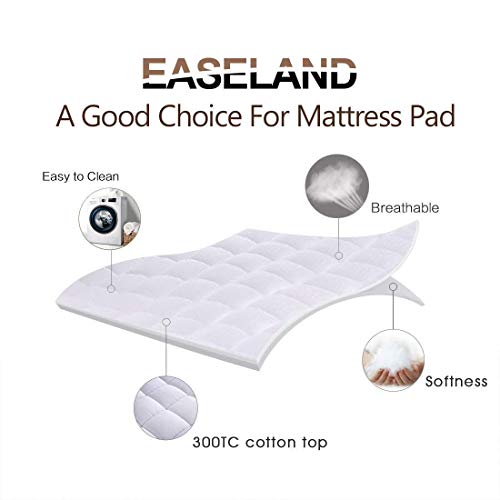


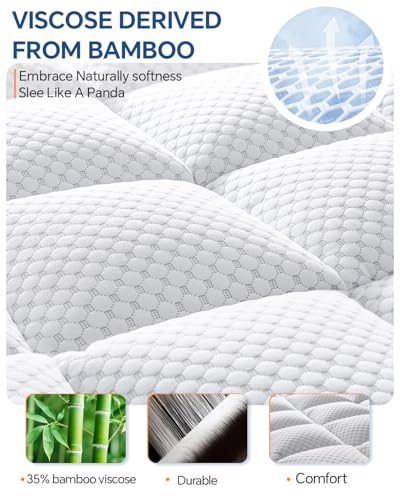


We also considered 10 others:


Our Top Choice
Compare Features


The order above is not editorial opinion, and it is not paid placement. It comes from what shoppers across our network actually do - which comfortable mattress toppers they compare, and which they ultimately buy. We re-rank as new data comes in, so the long-term favorites have to keep earning their spot against new entrants. The full method, including how we make money.
Comfortable Mattress Toppers Buyer's Guide
A comfortable mattress topper has to add enough plushness to rescue a too-firm or tired bed without turning it into a saggy, hot, shifting surface. The key checks are whether the topper matches your sleep position and pain points, whether it can stay anchored on your mattress height, and whether its cushioning will hold up instead of flattening or clumping.
Comfort
Comfort matters because a mattress topper should make your bed feel more inviting without creating new pressure points or trapping you in an awkward position. Look for cushioning that suits how you sleep: enough softness to ease contact at your shoulders, hips, or back, but enough support that you do not feel swallowed or misaligned. Be cautious of toppers that feel plush at first but compress too much under your weight.
Start by diagnosing the bed problem: a topper is best for a mattress that feels too firm or lacks surface cushioning, but it will not reliably fix deep sagging, broken support, or a mattress that already lets your hips sink too far. For side sleepers and people with hip or shoulder pressure, look for enough loft or contouring to soften contact points; for back or stomach sleepers, avoid an overly thick, marshmallow-soft topper that can pull the spine out of alignment. Owner feedback supports this use case: shoppers often report that toppers make firm, aging, or worn beds feel much more cushioned, with pillow-top styles described as soft and fluffy without always feeling bulky, and some users noting relief around the lower back, hips, and shoulders.
Quality
Quality matters because a mattress topper has to hold its shape, support, and comfort through nightly use, not just feel good at first. Look for durable materials, even construction, strong seams or covers, and clear details about density or fill type; watch out for toppers that flatten quickly, bunch, tear, shed, or have vague material descriptions.
Prioritize construction details that prevent the comfort layer from becoming lumpy or flat: box stitching or baffling for fiberfill, resilient foam that rebounds instead of staying compressed, sturdy seams, secure elastic, and materials that can tolerate the cleaning method you need. If you expect frequent washing because of sweat, pets, kids, or allergies, confirm the whole topper or cover is home-washable and that the fill is designed not to bunch after laundering. Owner sentiment aligns with these checks: buyers often describe better-made toppers as substantial rather than cheap, with dependable padding, secure deep-pocket construction, and, in some cases, easy home washing that still leaves the topper looking good after repeated cleaning.
Sleep
A mattress topper should help you fall asleep more comfortably, stay asleep with fewer pressure-related wakeups, and wake feeling less stiff or sore. Look for one that matches your usual sleep position and comfort preference, supports proper alignment, and does not trap too much heat, since softness, temperature buildup, or lack of support can undermine your sleep quality.
Choose the topper around the specific reason your sleep is being disrupted: pressure-point pain calls for cushioning or contouring, a too-hard bed calls for plush surface relief, and overheating calls for breathable fabrics, ventilated foam, or a less heat-trapping pillow top. Be cautious with extreme softness if you wake with low-back pain, because sinking too deeply can create new soreness even if the first impression feels cozy. Owner reports suggest the right match can make a noticeable difference, with many buyers saying extra cushioning helped them sleep better from the first night, wake less sore, feel more rested, and avoid painful wakeups during the night.
Fit
A mattress topper should match your bed’s size closely so it covers the sleep surface without hanging over the edges, bunching up, or leaving gaps. Look for secure details like elastic straps, a snug skirt, or enough weight and grip to help it stay in place, especially if you move around at night or use slick sheets. A poor fit can make even a comfortable topper feel lumpy, uneven, or annoying to adjust.
Measure your mattress height before buying, including any existing pad, protector, or pillow-top layer, and choose a skirt or pocket depth that exceeds that height rather than barely matching it. A comfortable topper that creeps, bunches, or pops off the corners can create ridges under your body and undo the comfort benefit, so look for deep pockets, strong elastic, corner straps, or a grippy underside—especially on tall mattresses, slick foam beds, adjustable bases, or beds shared by restless sleepers. Owner feedback repeatedly highlights fit as a major success factor, with buyers praising deep-pocket and fitted-skirt designs that cover queen, full, and taller mattresses well, stay put, and reduce sliding or corner slip-off.
Softness
Softness matters because it determines whether a topper adds gentle cushioning, deep plushness, or only a slight comfort boost to your existing mattress. Look for enough give to relieve pressure at your shoulders, hips, or other sensitive spots, but watch out for toppers that feel so soft you sink in too far and lose support, especially if you sleep on your back or stomach.
Treat softness as a calibrated feature, not simply “the softer the better.” Side sleepers often benefit from a plush pillow-top or thicker cushioning layer, while stomach sleepers, heavier sleepers, and anyone prone to hammocking should avoid toppers that feel cloudlike but lack pushback. Also check whether the softness comes from loose fiberfill, which can feel fluffy but may compress, or from foam/structured cushioning, which may offer more contour and support. Owner sentiment shows why softness is a central draw: many buyers like toppers that turn firm or worn mattresses into plusher, more luxurious-feeling beds, describing soft, pillowy, fluffy surfaces that add comfort without necessarily replacing the mattress.
1,000,000+ shoppers use Buyer's Guide every week to find the best products and services online.

Helping millions of users make smarter purchases online.


