











We also considered 10 others:


Our Top Choice
Compare Features


The order above is not editorial opinion, and it is not paid placement. It comes from what shoppers across our network actually do - which car seats they compare, and which they ultimately buy. We re-rank as new data comes in, so the long-term favorites have to keep earning their spot against new entrants. The full method, including how we make money.
Car Seats Buyer's Guide
Car seats are a fit-and-installation purchase first: the safest seat is the one that matches your child’s stage, your vehicle geometry, and your ability to use it correctly every ride. The sharpest buying concerns are whether it installs tightly in your actual back seat and whether the harness or booster belt will position correctly as your child grows.
Fit
A car seat only protects well when it fits both your child and your vehicle, so you want a setup that holds the seat steady and positions the harness or belt correctly. Look for a snug fit with minimal movement at the belt path, harness straps that sit at the right height and tighten securely, and enough space in your vehicle for the seat to be installed at the proper angle. Watch out for seats that seem stable only after awkward adjustments or that make it hard to buckle, tighten, or use the seat consistently.
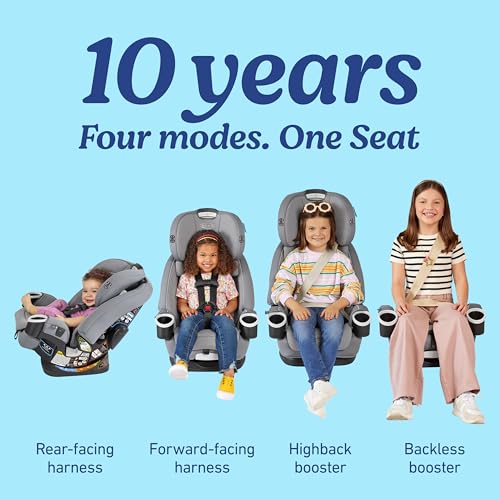
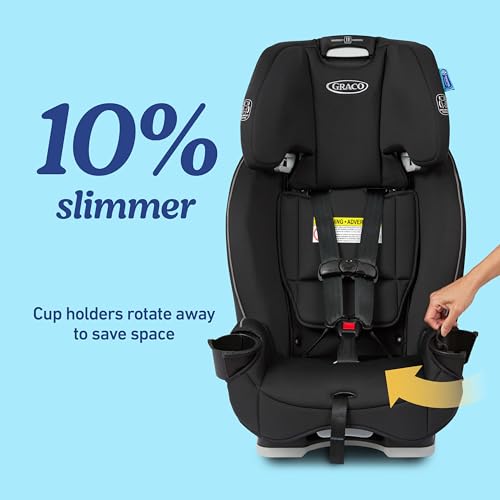
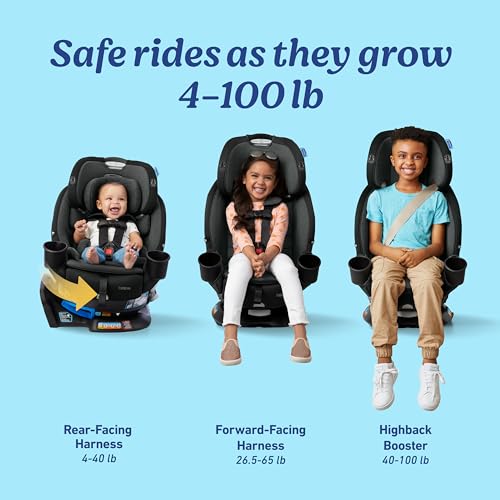
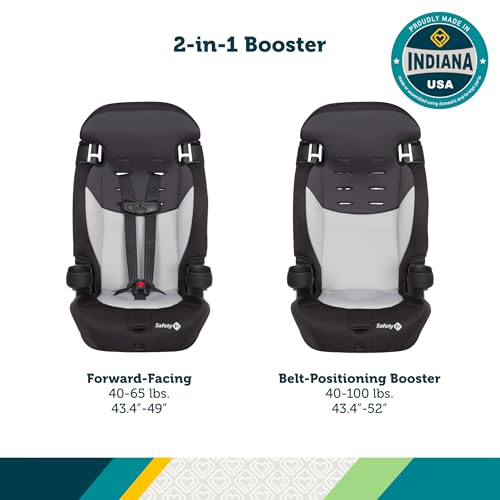
Prioritize a seat that fits your specific child, vehicle, and seating plan before you worry about extras: check the child’s current height/weight against the rear-facing, forward-facing, harness, and booster limits; confirm the harness can sit at or below the shoulders rear-facing and at or above forward-facing; and measure the seat’s real front-to-back and side-to-side footprint in your car. If you need three-across, share the back seat with adults, or use a small vehicle, look for a genuinely narrow shell with accessible buckles, not just a slim-looking base. Owners support this priority, often praising seats that adjust easily as children grow, feel secure once fitted, and use a slim profile to preserve back-seat space while still keeping kids comfortable.
Quality
You want a car seat that feels solid and well made, because it needs to hold up through daily buckling, tightening, cleaning, and moving between vehicles without loosening, fraying, or becoming harder to use. Look for sturdy shell construction, secure harness hardware, durable fabric, smooth adjustment mechanisms, and covers that can be removed and reinstalled without stretching out or fitting poorly. Be cautious of flimsy plastics, rough harness movement, thin padding, or parts that feel like they may crack, snag, or wear quickly.
Choose quality by checking the parts that affect long-term correctness: a shell that does not flex excessively, smooth harness adjusters, durable buckle tongues, clear recline indicators, covers that can be removed and reinstalled without rerouting mistakes, and an expiration date long enough for your intended child or sibling use. For grow-with-me seats, make sure each mode is actually usable for your child’s likely size; some seats technically convert but have short harness height, awkward booster belt fit, or weight limits that force an earlier replacement. Owner feedback backs this up, with many buyers describing well-built, sturdy, long-lasting seats and valuing designs that transition through multiple stages when the construction and adjustments stay reliable.
Comfort
Your child may spend long stretches in a car seat, so comfort affects everything from daily errands to longer trips. Look for supportive padding, cushioning that feels soft without being bulky, and a fit that keeps your child properly positioned without pressure points, overheating, or slumping.
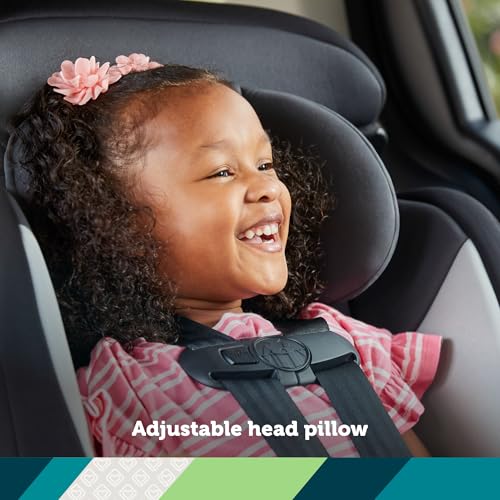
Comfort matters most when it helps the child stay correctly positioned: look for supportive padding that does not compress into a slouch, a headrest that supports sleep without pushing the head forward, harness pads that do not interfere with chest-clip placement, and recline options appropriate for newborn airway safety or older-child ride posture. Avoid adding unapproved cushions, strap covers, or head supports, because aftermarket padding can change crash performance and belt routing. Owners commonly report that plush padding, supportive headrests, shoulder comfort, recline or adjustment options, and cup holders help children tolerate regular and longer rides, which is useful only if the child remains properly harnessed or belted.
Usability
You’ll use a car seat constantly, so small usability issues—stiff buckles, awkward harness adjustments, or confusing recline settings—can become daily frustrations and increase the chance of mistakes. Look for intuitive controls, smooth strap tightening, clear adjustment indicators, and features you can operate one-handed or in tight spaces, especially if you’ll be moving the seat between vehicles or adjusting it for a growing child.
Buy for the caregiver tasks you will repeat daily: the harness should tighten smoothly from the front, the chest clip and buckle should be reachable in your vehicle, the cover should handle spills and accidents, and the seat should be light enough if you truly plan to move it between cars. If grandparents, rideshares, travel, or multiple vehicles are part of your life, prioritize simple belt paths, visible labels, and carry weight over bulky convenience features. Owner sentiment reinforces this: buyers often appreciate seats that are lightweight, quick to move, easy to assemble, simple to buckle once set up, and practical for switching between vehicles.
Safety
Safety matters because a car seat’s main job is to protect your child in a crash and keep them properly restrained on every ride. Look for a seat that fits your child’s age, size, and stage, installs securely in your vehicle, and has harness or belt paths that are easy to tighten correctly. Watch out for seats that are confusing to install or adjust, because even a well-rated seat can’t protect as intended if it’s used incorrectly.
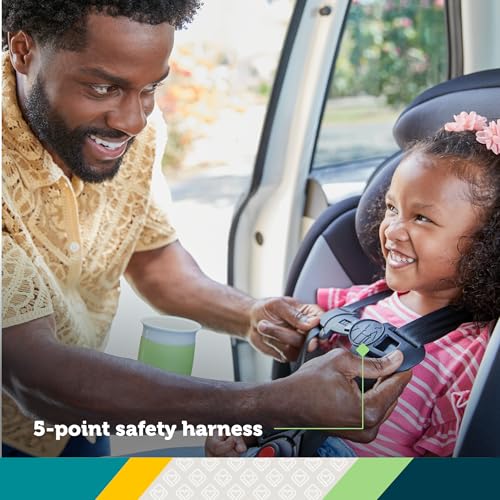
Safety depends less on marketing claims and more on correct use every ride: verify the seat is appropriate for the child’s age, height, weight, and developmental stage; keep children rear-facing as long as the seat allows; use the top tether for forward-facing installations; stop using lower anchors once the combined child-plus-seat limit requires a seat-belt install; and ensure booster riders get a lap belt low on the hips and a shoulder belt centered on the shoulder. Avoid used seats with unknown crash history, missing labels/manuals, expired dates, recalls, or washed straps unless the manufacturer explicitly allows the cleaning method. Owners’ confidence is strongest when seats feel sturdy and secure, harnesses adjust well, side structure feels protective, LATCH or belt positioning keeps the seat from sliding, and the vehicle belt sits correctly on booster-age children.
Installation
A car seat only protects as intended when it’s installed correctly, so you want one that you can secure tightly and repeatably in your own vehicle. Look for clear belt paths, easy-to-use connectors, built-in level indicators, and instructions that make sense for both LATCH and seat belt installation. Watch out for seats that are difficult to tighten, awkward in smaller back seats, or prone to shifting after installation.
Before buying, confirm you can achieve a tight installation in your actual vehicle with less than one inch of movement at the belt path, at the correct recline angle, and without relying on both LATCH and seat belt unless the manual permits it. Check whether your vehicle’s seat shape, head restraints, buckle stalks, inflatable belts, or deeply recessed anchors conflict with the seat, and test both rear-facing and forward-facing belt paths if you expect to use it for years. Owner feedback supports choosing models with clear instructions, secure click-in or belt-tightening systems, easy base adjustments, and straightforward installs that remain stable when moved between cars.
1,000,000+ shoppers use Buyer's Guide every week to find the best products and services online.

Helping millions of users make smarter purchases online.


