What to Know Before Choosing Shower Heads
Posted on Sunday, May 03, 2026
To keep this site free for consumers, we receive compensation for customer referrals.
What to Know Before Choosing Shower Heads
Shower heads are a central component of everyday bathroom use, directly influencing water flow, coverage, and overall comfort. While they may appear simple, shower heads vary widely in design, spray patterns, and installation styles. Understanding how different types function can help clarify what to expect from this category before evaluating specific options.
The right choice often depends on water pressure conditions, space constraints, and personal preferences around spray intensity and coverage. Looking beyond appearance helps reveal how design and features shape the overall shower experience.
The Role of Shower Heads in Daily Use
Shower heads control how water is distributed, affecting both efficiency and comfort. They determine the shape, pressure, and consistency of the water stream, which can influence how effectively the shower meets daily needs.
Different designs prioritize different outcomes, such as wider coverage, targeted spray, or water conservation. These variations make it important to consider how the shower head will be used in practice.
Common Types of Shower Heads
Shower heads are available in several configurations, each offering a distinct approach to water delivery and positioning.
Wall-Mounted Shower Heads
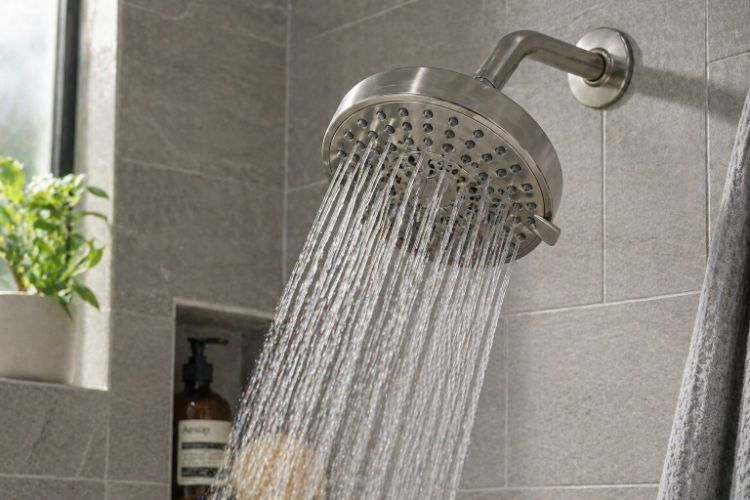
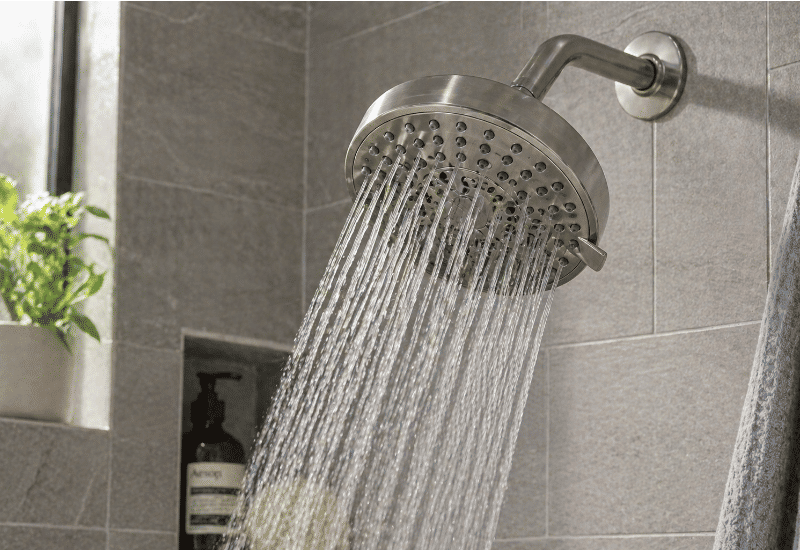
Wall-mounted designs are the most common and are fixed directly to the plumbing connection. They provide a stable and consistent spray angle, making them suitable for standard shower setups.
Many models include adjustable spray settings, allowing users to switch between different flow patterns.
Handheld Shower Heads
Handheld units are attached to a flexible hose, allowing them to be removed from their mount. This design adds versatility, making it easier to direct water where needed.
They are often used for tasks such as rinsing, cleaning, or accommodating different user heights.
Rainfall Shower Heads
Rainfall designs are typically mounted overhead and distribute water evenly across a larger surface area. The flow is often designed to mimic a gentle, downward rainfall pattern.
This type may require specific placement or ceiling mounting to achieve the intended effect.
Dual Shower Systems
Dual systems combine two shower heads, often a fixed unit and a handheld attachment. These setups allow users to switch between or use both simultaneously, depending on the configuration.
This design emphasizes flexibility but may involve more complex installation.
Key Features That Influence Performance
Beyond the basic type, several features shape how a shower head performs in everyday use. These details can significantly affect comfort and functionality.
- Spray patterns: Options may include wide coverage, concentrated streams, or pulsating settings, each offering a different feel.
- Flow rate: The amount of water delivered influences both pressure and water usage.
- Nozzle design: The arrangement and material of nozzles affect water distribution and maintenance needs.
- Adjustability: Some shower heads allow angle or height adjustments for better positioning.
- Hose length (for handheld models): A longer hose can improve reach and flexibility.
- Material construction: Materials influence durability, weight, and resistance to mineral buildup.
- Ease of installation: Some designs are straightforward to install, while others may require additional setup.
Understanding how these features interact can help clarify which options align with specific preferences and bathroom setups.
How Design Affects the Shower Experience
The design of a shower head directly impacts how water feels and flows during use. Wider spray patterns can create a more immersive experience, while narrower streams may provide more targeted pressure.
Placement also plays a role. Overhead designs emphasize even distribution, while angled wall-mounted units allow for more directional control. Handheld options introduce flexibility but may require repositioning during use.
Consistency of flow is another factor. Variations in water pressure within a home can influence how a shower head performs, regardless of its design.
Trade-Offs and Practical Considerations
Each type of shower head involves trade-offs that affect usability and performance. Larger designs may offer broader coverage but can require sufficient water pressure to function as intended. More compact units may conserve water but provide a narrower spray.
Adjustable settings can add versatility but may introduce additional components that require maintenance. Similarly, multi-head systems provide flexibility but may complicate installation or plumbing compatibility.
Water quality is another consideration. Areas with hard water may experience mineral buildup, which can affect nozzle performance over time.
Where Shower Heads Make the Most Impact
Shower heads are relevant in any residential or shared bathroom setting, but priorities can vary depending on the space and usage patterns. Smaller bathrooms may benefit from compact, efficient designs, while larger spaces can accommodate more expansive setups.
Households with varying user needs may lean toward adjustable or handheld options, while those focused on simplicity may prefer fixed designs. The intended experience—whether quick and functional or more relaxed—often shapes the decision process.
Considering how the shower is used daily can help narrow down which features matter most.
Making a More Informed Choice
Choosing a shower head involves balancing design, functionality, and environmental factors such as water pressure and space. By focusing on how different features translate into real-world use, it becomes easier to evaluate available options.
With a clearer understanding of the category, comparing shower heads becomes a more structured process. Visit our site for more insights that help clarify product categories and support confident, independent decision-making.

Related Blog Posts