How Dehumidifiers Change a Home
Posted on Monday, June 15, 2026
To keep this site free for consumers, we receive compensation for customer referrals.
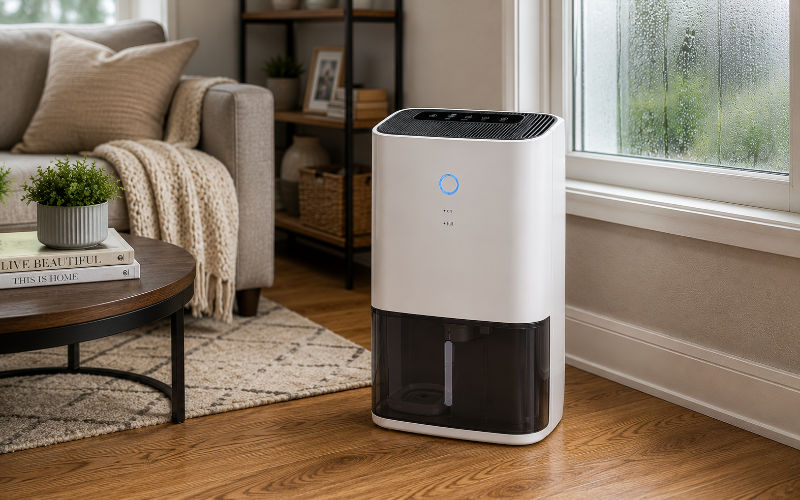
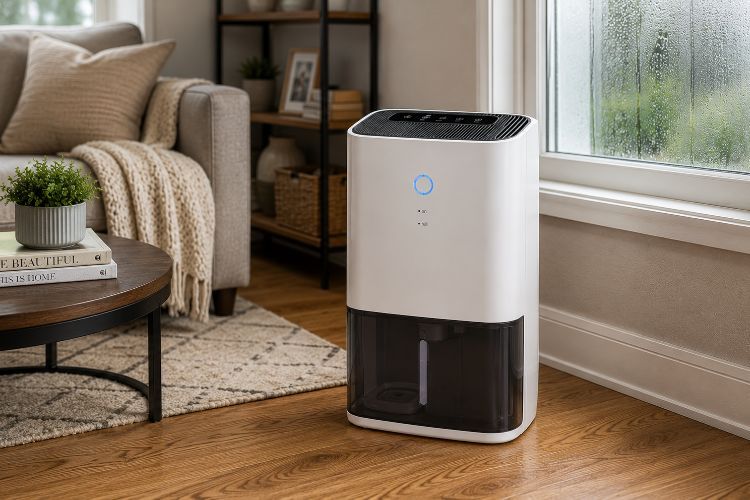
How Dehumidifiers Change a Home
Most homeowners do not think much about humidity until something feels off.
A basement develops a musty smell. Windows collect condensation. A room feels damp even when the air conditioning is running. Towels take longer to dry. The air feels heavy and uncomfortable.
At first, these issues may seem unrelated. In reality, they often have one thing in common: excess moisture in the air.
This is why so many homeowners eventually start researching dehumidifiers. Not because they want another appliance, but because they want their home to feel more comfortable.
What many people discover is that managing humidity can affect far more than they expected. From comfort and odors to storage conditions and everyday living spaces, a dehumidifier can change how a home feels in ways that are not always obvious until the moisture is gone.
Why Does My House Feel Damp?
This is one of the most common questions homeowners ask.
Humidity affects how a room feels just as much as temperature. A space can technically be cool while still feeling uncomfortable if excess moisture remains in the air.
Common signs of excess humidity include:
- Sticky or clammy indoor air
- Rooms that never seem fully comfortable
- Condensation on windows
- Damp-smelling fabrics and furniture
- A lingering feeling of moisture indoors
A dehumidifier helps by removing moisture from the air, allowing indoor spaces to feel drier and more comfortable. Many homeowners are surprised by how much difference a reduction in humidity can make, especially during the warmer months of the year.
What Causes That Musty Smell?
If there is one complaint that appears repeatedly among homeowners, it is the mysterious musty smell that often develops in basements, storage rooms, and other moisture-prone areas.
That smell is frequently associated with excess humidity.
When moisture lingers in the air, it can create conditions that contribute to stale odors and an overall feeling that a room is never quite fresh.
This is why dehumidifiers are commonly used in:
- Basements
- Laundry rooms
- Storage spaces
- Garages
- Finished lower levels
While a dehumidifier may not solve every underlying moisture issue, reducing excess humidity often helps create a cleaner, fresher-feeling environment.
Will It Help With Mold and Mildew Concerns?
Many people begin researching dehumidifiers because they are concerned about moisture-related issues around the home.
Humidity plays a significant role in creating conditions where moisture can persist on surfaces and in the air.
A dehumidifier works by lowering humidity levels, helping create a drier environment throughout the space.
However, there is an important distinction that many homeowners discover during their research.
A dehumidifier manages humidity. It does not automatically solve water leaks, drainage problems, or other sources of ongoing moisture intrusion.
Many homeowners find the best results come from addressing the source of moisture while also controlling humidity levels inside the home.
Can a Dehumidifier Help With Allergies?
This is another question that appears frequently in homeowner discussions.
People looking to improve indoor comfort often explore ways to create a healthier-feeling living environment.
Humidity is part of that conversation.
Many homeowners find that reducing excess moisture contributes to a more comfortable indoor atmosphere, particularly in spaces that previously felt damp or stale.
While a dehumidifier is not a cure for allergies, it is often discussed alongside air purifiers, ventilation improvements, and other strategies designed to improve overall indoor comfort.
The Water Collection Surprise
One of the biggest surprises for first-time owners is seeing how much water a dehumidifier can collect.
Questions often include:
- Is it normal for the bucket to fill this quickly?
- Why is there so much water in the air?
- Does this mean something is wrong with my house?
- Why is it collecting less water than it did last week?
For many homeowners, the collection bucket provides a visible reminder of how much moisture was previously circulating throughout the room.
As humidity levels stabilize, collection rates often become more consistent.
Many people discover that the amount of water removed during the first few weeks is often far greater than they expected.
Why Is My House Still Humid?
Another common frustration is assuming a dehumidifier instantly solves every humidity problem.
Sometimes homeowners notice improvements right away. Other times, humidity remains higher than expected.
Several factors may contribute:
- The room may be larger than anticipated.
- Outdoor humidity may be entering through doors and windows.
- Ventilation issues may be present.
- Moisture may be entering from crawl spaces or basements.
- An underlying water issue may still exist.
This is why many experienced homeowners view humidity control as part of a larger moisture-management strategy rather than a single-step solution.
Where Should a Dehumidifier Go?
Placement is another topic that surprises many first-time owners.
Most people focus on the appliance itself and spend very little time thinking about where it will actually operate.
Common locations include:
- Basements
- Bedrooms
- Laundry rooms
- Bathrooms
- Garages
- Storage areas
Proper airflow is important because a dehumidifier needs access to the surrounding air in order to remove moisture effectively.
Many homeowners discover that placement can influence performance more than they initially expected.
The Noise Factor Nobody Talks About
One ownership reality that often receives little attention during the buying process is noise.
Dehumidifiers actively pull moisture from the air, which means they generate sound while operating.
This becomes especially relevant when the unit is located in:
- Bedrooms
- Home offices
- Living rooms
- Shared family spaces
Many homeowners eventually realize that humidity removal is only part of the ownership experience. Day-to-day comfort also includes how the appliance fits into the living environment.
The Bucket Versus Continuous Drainage Debate
Many owners begin with a simple assumption.
When the water bucket fills, they will empty it.
Then they realize how often that happens.
In more humid spaces, frequent emptying can become part of the routine.
This is why many discussions eventually turn toward continuous drainage options.
For some homeowners, the convenience of automatically removing collected water becomes just as valuable as the dehumidifier itself.
The Summer Humidity Problem
Humidity concerns often become most noticeable during summer.
As outdoor temperatures rise, many homeowners begin noticing:
- Sticky indoor air
- Damp basements
- Musty odors
- Condensation on windows
- Rooms that feel uncomfortable despite air conditioning
This is often when people realize that temperature and humidity are not the same thing.
A room can feel cool while still feeling damp.
By removing excess moisture from the air, a dehumidifier can help create a more comfortable indoor environment throughout the warmest months of the year.
How Dehumidifiers Change a Home
Most homeowners purchase a dehumidifier to solve a specific problem. A damp basement. A musty smell. Excess moisture. Uncomfortable indoor air.
What many discover is that humidity influences far more aspects of daily life than they initially realized.
Comfort, odors, storage conditions, condensation, and the overall feel of a room can all be affected by excess moisture.
A dehumidifier is not a cure-all, and it cannot solve every moisture-related issue on its own. However, for many households, managing humidity becomes one of the simplest ways to make certain areas of the home feel cleaner, drier, and more comfortable throughout the year.
Buyer's Guide publishes educational category research to help consumers better understand products before making purchasing decisions. If you're continuing your research into portable dehumidifiers, check out our website.

Related Blog Posts