Understanding Power Stations
Posted on Sunday, March 15, 2026
To keep this site free for consumers, we receive compensation for customer referrals.
Understanding Power Stations
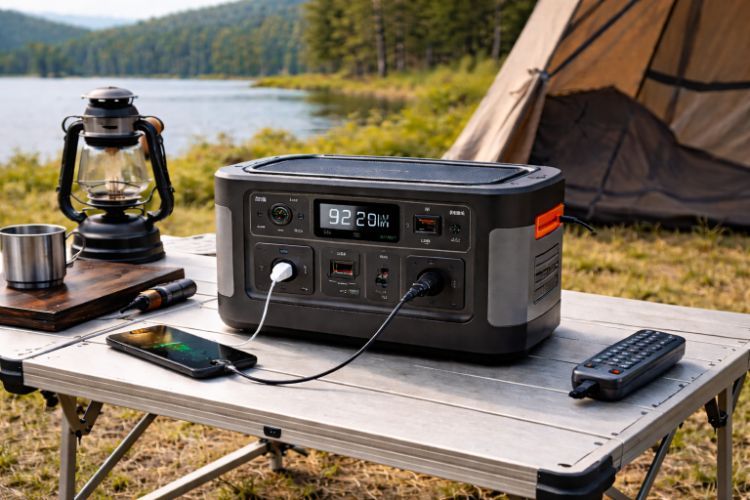
A power station is a portable or stationary energy storage system designed to supply electricity to devices, appliances, or tools when grid power is unavailable or inconvenient. Unlike traditional generators that rely on fuel combustion, most modern power stations store electrical energy in rechargeable batteries and deliver it through built-in outlets and ports.
As interest in backup power, remote work setups, outdoor recreation, and emergency preparedness grows, power stations have become more common in households and mobile environments. Understanding how they function and what differentiates one configuration from another can help clarify which type aligns with specific energy needs.
How Power Stations Work
At their core, power stations store energy in internal battery cells. That stored energy is converted through an inverter into usable alternating current for standard household outlets, while also providing direct current output for USB ports and other low-voltage connections.
Power stations can be recharged through wall outlets, vehicle charging ports, or solar panels, depending on the model and configuration. This flexibility allows them to function as short-term backup systems or as renewable-compatible power sources in off-grid environments.
Main Types of Power Stations
Power stations are commonly categorized by battery chemistry and intended use. Each approach carries practical implications for weight, recharge cycles, and output capability.
- Lithium-ion power stations: Known for relatively high energy density and lighter weight, these units are often used for portable applications such as travel, fieldwork, or small backup systems.
- Lithium iron phosphate (LiFePO4) systems: Typically designed for longer cycle life and thermal stability, these may be used in more demanding or semi-permanent installations.
- Compact power banks: Smaller units designed primarily for charging personal electronics and low-wattage devices.
- High-capacity backup units: Larger systems intended to support appliances, power tools, or extended outages.
Understanding these categories helps frame expectations around portability, output limits, and long-term durability.
Key Specifications to Evaluate
When assessing a power station, several technical metrics shape real-world performance and compatibility.
- Battery capacity (watt-hours): Indicates how much energy the unit can store. Higher capacity supports longer runtimes for connected devices.
- Continuous power output (watts): Reflects how much electricity the unit can deliver steadily without overloading.
- Surge capacity: Accounts for short bursts of higher power required by certain appliances during startup.
- Output ports: AC outlets, USB-A, USB-C, DC outputs, and specialized connectors determine device compatibility.
- Recharge options and input rate: The speed and method of recharging influence downtime between uses.
- Weight and form factor: Larger capacities typically increase size and weight, affecting portability.
Matching these specifications to anticipated devices prevents underpowered setups or unnecessary bulk.
Performance in Everyday Use
In practical terms, performance depends on both total capacity and how devices draw power. Running a single low-wattage device may allow extended operation, while high-draw appliances can deplete stored energy more quickly.
Inverter efficiency also influences runtime. Energy conversion from battery storage to usable AC power involves some loss, which can affect overall output. Understanding these efficiency considerations helps set realistic expectations for backup duration.
Noise levels are typically minimal compared to fuel-based generators, since battery-powered systems do not rely on combustion engines. This makes them suitable for indoor use, provided ventilation and safety guidelines are followed.
Charging and Energy Input Considerations
Recharge time varies based on battery size and input capacity. Wall charging may take several hours for larger systems, while solar charging depends on panel wattage and environmental conditions such as sunlight exposure.
Users integrating solar panels should consider controller compatibility and panel sizing. Input limitations within the power station itself can cap how quickly energy is stored, regardless of panel output.
Trade-Offs and Practical Constraints
While power stations provide convenient portable electricity, they are limited by stored capacity. Once depleted, they require recharging before use resumes. This distinguishes them from fuel-powered generators that can operate continuously with refueling.
Higher-capacity systems tend to be heavier and less portable. Conversely, highly portable units may not support energy-intensive appliances. Balancing runtime expectations with mobility needs is central to selecting an appropriate configuration.
Battery lifespan is another consideration. Recharge cycles gradually reduce maximum capacity over time, though this varies by battery chemistry and usage patterns.
Where Power Stations Make Sense
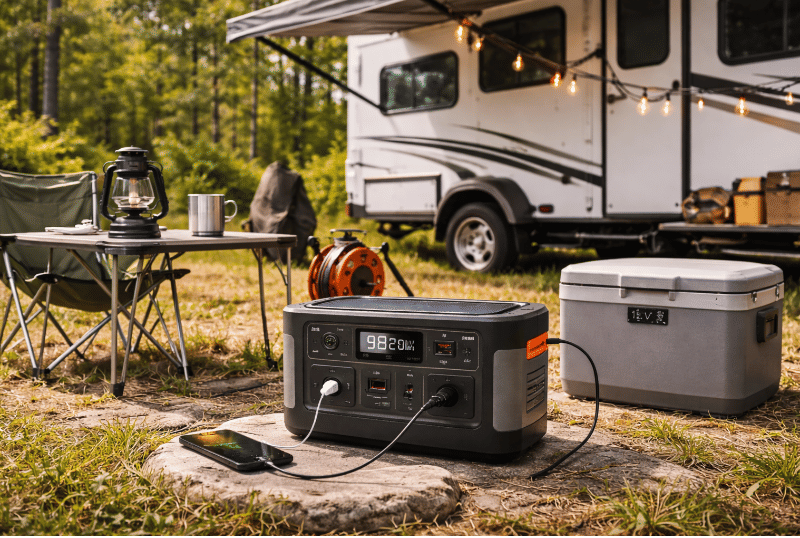
Power stations are commonly used for emergency backup during outages, remote work environments, camping setups, mobile offices, and job sites requiring temporary electricity. They may also support essential home devices during short-term grid interruptions.
Users who prioritize quiet operation, indoor usability, or renewable energy integration often consider power stations as part of a broader energy strategy. Identifying which devices must be powered—and for how long—clarifies the appropriate capacity range.
Evaluating Options with Confidence
Understanding power stations involves more than comparing battery size alone. Output limits, recharge methods, device compatibility, and expected usage scenarios all influence overall suitability.
With clearly defined power requirements and realistic runtime expectations, narrowing the field becomes more manageable. For additional educational resources and category insights, visit our site to learn more.

Related Blog Posts