Getting More from Your Slow Cooker
Posted on Friday, May 08, 2026
To keep this site free for consumers, we receive compensation for customer referrals.
Getting More from Your Slow Cooker
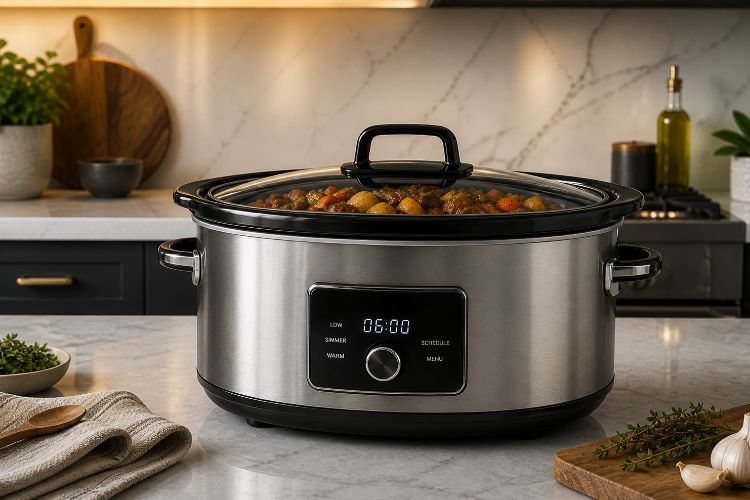
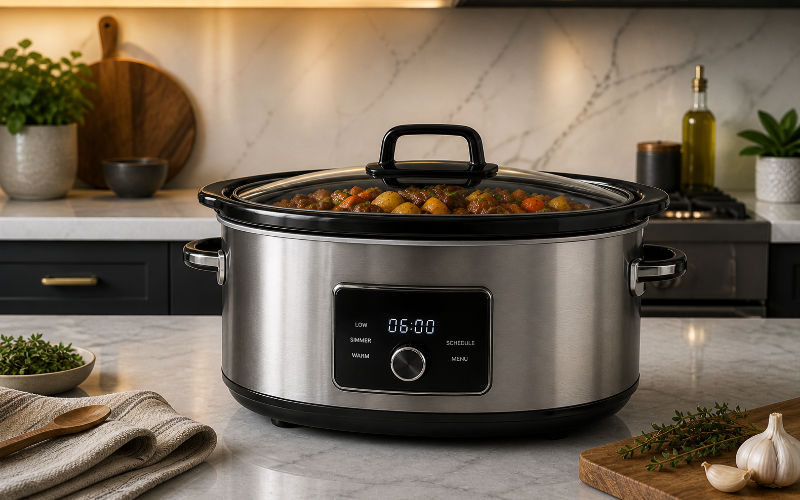
The slow cooker is often associated with simple, set-it-and-forget-it meals, but its capabilities extend well beyond basic recipes. For households that already own one, the opportunity lies in refining technique, expanding use cases, and understanding how subtle adjustments can change outcomes. Rather than treating it as a limited appliance, a slow cooker can become a flexible tool for managing time, texture, and consistency in everyday cooking.
Getting more from your slow cooker starts with recognizing how it behaves under different conditions. Heat distribution, moisture retention, and extended cooking times all influence results in ways that differ from stovetop or oven methods. With a more deliberate approach, it becomes easier to adapt recipes, experiment with formats, and improve overall efficiency in the kitchen.
How Slow Cooking Works in Practice
A slow cooker operates by maintaining a steady, low temperature over an extended period. This environment gradually breaks down tougher ingredients while preserving moisture, making it particularly suited for dishes that benefit from long cooking times. Unlike faster methods, the process emphasizes consistency over speed.
Because the lid remains closed during cooking, evaporation is minimal. This creates a self-contained system where liquids circulate and intensify flavors. Understanding this dynamic helps explain why certain adjustments—such as reducing added liquid or timing ingredient additions—can significantly impact the final dish.
Moving Beyond Traditional Use Cases
Many people use a slow cooker primarily for soups, stews, or braised dishes. While these remain practical applications, the appliance can handle a broader range of preparations. From grains and legumes to desserts and batch-cooked components, its versatility becomes more apparent with experimentation.
It can also serve as a controlled environment for tasks that benefit from gentle heat, such as infusing flavors or maintaining serving temperature. This expanded perspective allows the slow cooker to integrate into more aspects of meal preparation rather than being reserved for a narrow set of recipes.
Different Cooking Approaches Within the Same Appliance
Even within a single slow cooker, there are multiple ways to approach cooking depending on timing and desired outcomes. Adjusting heat settings, layering ingredients differently, or modifying when components are added can all influence texture and flavor.
For example, placing firmer ingredients closer to the heat source while adding delicate components later can help maintain balance. Similarly, choosing between shorter high-heat cycles and longer low-heat cooking changes how ingredients break down and combine.
Key Features That Shape Results
- Temperature Settings: Low and high settings are not just about speed; they affect how proteins and vegetables develop texture over time.
- Lid Fit and Seal: A well-fitting lid helps maintain consistent moisture levels, which is essential for predictable results.
- Crock Material: The thickness and material of the inner pot influence heat retention and distribution.
- Capacity: Filling the cooker too much or too little can alter cooking efficiency and timing.
- Programmable Controls: Timers and automatic adjustments can help align cooking with daily schedules.
Understanding these elements makes it easier to troubleshoot issues and refine techniques without relying on rigid instructions.
Practical Considerations for Daily Use
Using a slow cooker effectively often comes down to small operational habits. Avoiding frequent lid removal, preparing ingredients to uniform sizes, and planning ingredient order all contribute to more consistent outcomes. These details may seem minor, but they compound over longer cooking periods.
It is also helpful to think in terms of preparation stages. Some ingredients benefit from pre-cooking methods like browning, which can add depth before slow cooking begins. Others are better added later to preserve structure and prevent overcooking.
Where Efficiency Gains Become Noticeable
One of the more practical advantages of a slow cooker is its ability to shift active cooking time into passive time. This makes it easier to manage meals alongside other responsibilities. By preparing ingredients in advance and letting the cooker handle the rest, the overall workflow becomes more manageable.
This efficiency also extends to batch cooking. Preparing larger quantities and repurposing components across multiple meals can reduce repetition without sacrificing variety. Over time, this approach can simplify weekly planning.
Trade-Offs and Constraints to Keep in Mind
While a slow cooker offers convenience, it is not suited for every type of cooking. It lacks the ability to create crisp textures or rapid reductions, which means some dishes may require additional steps if those qualities are important. Recognizing these limitations helps set realistic expectations.
There is also less opportunity for mid-process adjustments compared to more hands-on methods. Because the cooking environment is closed, changes made late in the process may not fully integrate. Planning ahead becomes more important as a result.
Situations Where a Slow Cooker Adds Value
The slow cooker tends to be most useful in scenarios where time is limited but consistency is important. It works well for meals that benefit from gradual development, as well as for preparing components in advance of serving.
It can also support households that prefer structured cooking routines. By aligning cooking times with daily schedules, it becomes easier to maintain regular meal patterns without constant oversight.
Building a More Intentional Approach
Getting more from your slow cooker is less about learning new recipes and more about refining how you use the appliance you already have. Small adjustments in timing, layering, and preparation can lead to noticeable improvements in both flavor and texture.
With a clearer understanding of how the slow cooker operates, it becomes easier to adapt it to different needs and preferences. For more insights into kitchen tools and cooking strategies, you can explore additional guides on our website.

Related Blog Posts