Fire Pits and Outdoor Living
Posted on Tuesday, June 02, 2026
To keep this site free for consumers, we receive compensation for customer referrals.
Fire Pits and Outdoor Living
Why Fire Pits Have Become the Center of Outdoor Spaces
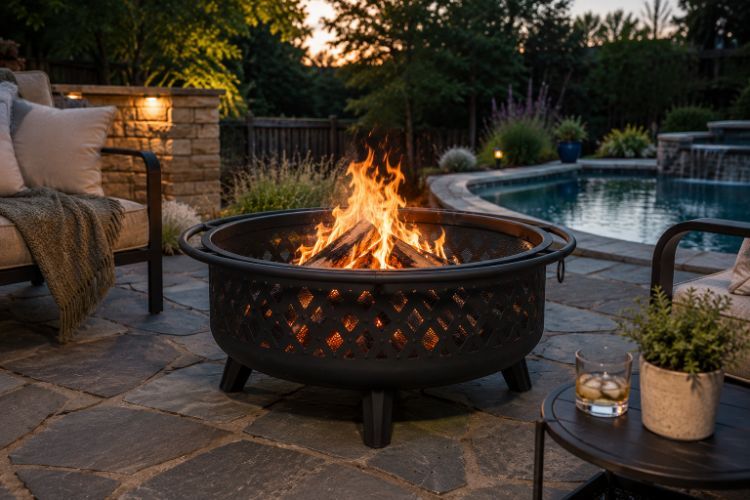
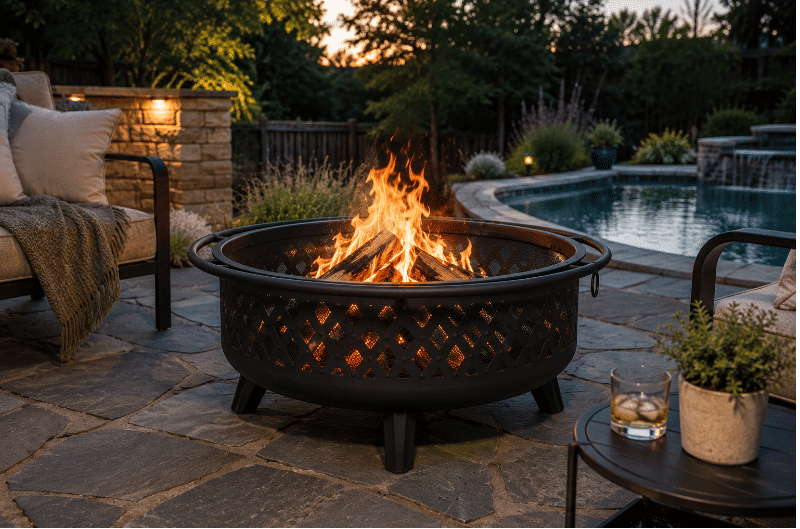
A fire pit is often purchased as a source of warmth, but its role in outdoor living typically extends much further. In many outdoor spaces, the fire pit naturally becomes the focal point around which furniture is arranged, conversations develop, and gatherings unfold.
Unlike many outdoor features that serve a single purpose, fire pits influence how a space is used. They can extend the usability of patios during cooler months, create a visual centerpiece in the landscape, and encourage people to spend more time outdoors long after the sun goes down.
This broader role is one reason fire pits remain popular across a wide variety of outdoor environments. They are not simply heating appliances. They are often a defining element of the outdoor living experience.
The Shift From Backyard Feature to Outdoor Destination
Outdoor living spaces have evolved significantly over the past decade. What was once a simple patio with a few chairs has increasingly become an extension of the home itself.
As homeowners invest in outdoor dining areas, seating arrangements, pergolas, outdoor kitchens, and entertainment spaces, fire pits have emerged as a natural gathering point within these environments.
There is a practical reason for this. Fire naturally draws people together. Unlike a television or dining table, a fire pit creates a circular social experience where everyone shares the same focal point.
This simple dynamic often changes how an outdoor space feels and functions.
Not All Fire Pits Create the Same Experience
One of the biggest mistakes buyers make is evaluating fire pits solely by appearance.
While design certainly matters, the type of fire pit often has a greater impact on the overall outdoor living experience than its visual style.
Different fuel sources create distinctly different environments.
Wood-burning fire pits offer the traditional experience many people associate with outdoor fires. The crackling sound, visible sparks, and aroma of burning wood contribute to an atmosphere that many find appealing.
Gas-powered fire pits often prioritize convenience. They typically ignite more quickly, produce less cleanup, and offer greater control over flame size and heat output.
Neither approach is universally better. The decision often comes down to whether the priority is convenience, ambiance, maintenance requirements, or a combination of those factors.
Designing Around the Fire Pit
Many buyers think about where to place a fire pit after selecting one. In practice, the opposite approach can often lead to better results.
The fire pit influences how people move through a space, where seating is positioned, and how outdoor areas are organized. Treating it as a central design element rather than an accessory can create a more cohesive outdoor environment.
For example, a compact fire pit may work well within an intimate seating arrangement designed for small gatherings. Larger fire features may be better suited to expansive patios intended to accommodate multiple groups of people.
The scale of the fire pit should feel proportional to the surrounding space.
Features That Matter Beyond Appearance
While aesthetics often drive initial interest, several practical considerations have a significant impact on ownership satisfaction.
- Fuel Type: Influences convenience, maintenance requirements, operating experience, and overall ambiance.
- Heat Distribution: Affects how effectively warmth reaches surrounding seating areas.
- Fire Bowl Size: Impacts both visual presence and functional heating capacity.
- Construction Materials: Influence durability, weather resistance, and long-term appearance.
- Portability: Determines whether the fire pit can be repositioned as outdoor layouts evolve.
- Spark Protection: Can affect safety and maintenance considerations in certain environments.
- Storage Requirements: Important for seasonal climates where outdoor equipment may need protection during parts of the year.
- Maintenance Needs: Vary considerably depending on design and fuel source.
The Relationship Between Fire Pits and Seasonal Living
One of the most overlooked benefits of a fire pit is its ability to extend the useful life of an outdoor space.
Without a heat source, patios and seating areas may see significantly less use during cooler evenings and seasonal transitions. A fire pit can help bridge that gap, making outdoor environments more inviting during spring, fall, and even certain winter conditions.
This extended usability often changes how homeowners think about their outdoor spaces. Instead of being limited to a few months of the year, the space may become a more consistent part of everyday life.
Understanding the Maintenance Reality
Fire pits are often marketed as simple additions to an outdoor living area, but long-term ownership involves ongoing considerations.
Wood-burning models typically require ash removal, fuel storage, and routine cleaning. Weather exposure can also affect appearance over time.
Gas-powered systems generally reduce cleanup requirements, but components should still be inspected periodically to ensure proper operation.
Material selection plays an important role here as well. Different finishes and construction materials age differently when exposed to sun, rain, humidity, and seasonal temperature changes.
Understanding these ownership realities before purchasing can help align expectations with long-term use.
Creating the Right Atmosphere
The most successful fire pit setups are rarely defined by the fire pit alone.
Seating layout, lighting, landscaping, privacy considerations, and traffic flow all contribute to the overall experience. A thoughtfully designed outdoor space encourages people to stay longer, interact more comfortably, and use the area more frequently.
In many cases, the fire pit serves as the anchor that connects these elements together.
That is why evaluating a fire pit in isolation can sometimes miss the bigger picture. The goal is not simply to add a fire feature. The goal is to create an outdoor environment that feels inviting, functional, and enjoyable to use over time.
Looking Beyond the Fire Pit Itself
Choosing a fire pit is ultimately about more than selecting a heating source or decorative feature. It is about understanding how the fire pit will shape the experience of the surrounding space.
The right choice depends on how the area will be used, how often gatherings occur, what level of maintenance is acceptable, and the type of atmosphere the space is intended to create.
When viewed through the lens of outdoor living rather than product specifications, evaluating fire pits becomes less about comparing features and more about understanding how those features support the overall experience.
Buyer's Guide publishes educational category research to help consumers better understand products before making purchasing decisions. If you're continuing your research into fire pits and outdoor living, check out our website.

Related Blog Posts