Finding the Right Ice Maker Setup
Posted on Wednesday, May 20, 2026
To keep this site free for consumers, we receive compensation for customer referrals.
Finding the Right Ice Maker Setup
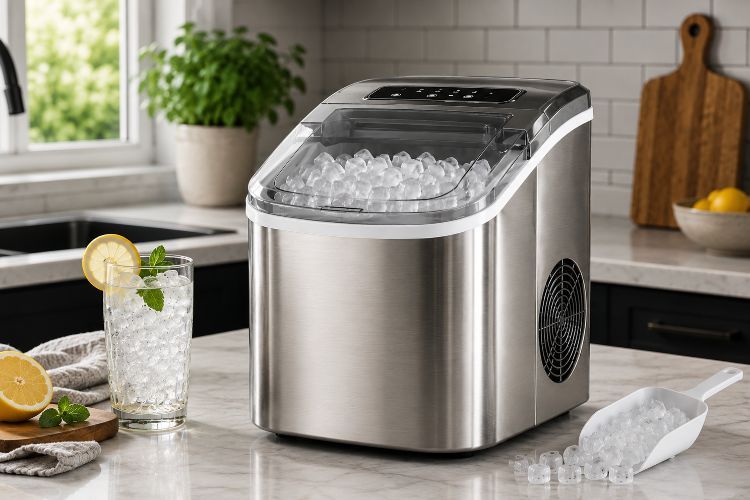
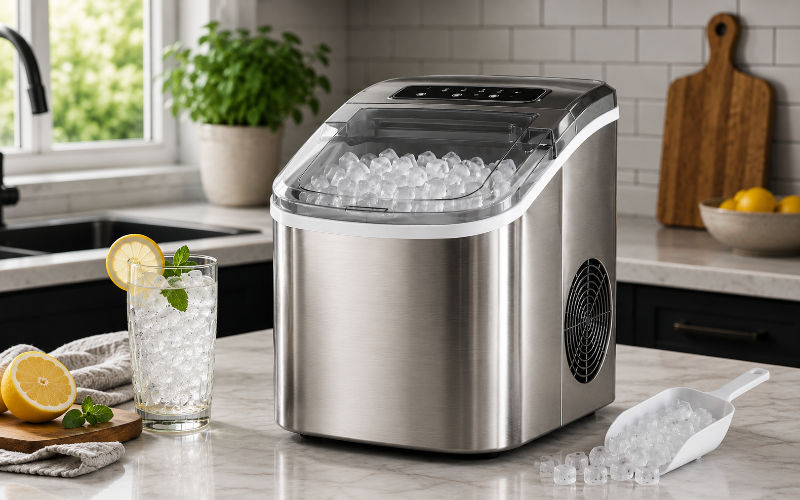
Countertop ice makers have shifted from niche kitchen appliances to a common addition in homes, offices, recreational spaces, and travel setups. Their appeal often comes down to convenience. Instead of relying on freezer trays or built-in refrigerator systems, countertop ice makers can produce fresh ice throughout the day with minimal setup and relatively compact footprints.
As the category has expanded, the differences between models have become more significant. Production speed, ice shape, storage design, cleaning systems, insulation quality, and portability all influence how a countertop ice maker performs in everyday use. Understanding these differences can make evaluating options much more manageable.
Why Countertop Ice Makers Have Become More Common
Many households now use more ice than traditional freezer trays can comfortably support. Entertaining, reusable water bottles, iced coffee routines, outdoor gatherings, and home beverage stations have all increased demand for quick ice access.
Countertop units fill the gap between occasional ice use and the need for a built-in appliance. They typically operate independently of kitchen plumbing, making them easier to place in apartments, RVs, home bars, garages, and temporary setups.
The category has also evolved beyond basic functionality. Newer models often prioritize quieter operation, improved ice consistency, faster production cycles, and more compact storage layouts.
How Countertop Ice Makers Typically Work
Most countertop ice makers rely on a simple cycle. Water moves from a reservoir into a chilled metal assembly where ice forms in batches. Once the ice reaches the intended size, it is released into an internal storage basket while the cycle repeats automatically.
Unlike freezers with dedicated ice bins, countertop models generally do not keep ice frozen long term. Instead, the storage compartment is insulated to slow melting. Melted water often drains back into the reservoir and gets reused in future cycles.
This design helps explain why production speed matters. Faster cycling typically creates a more consistent supply of usable ice during periods of steady demand.
Ice Shape and Texture Considerations
One of the biggest differences between countertop ice makers involves the type of ice they produce. Shape affects more than appearance. It also changes cooling speed, texture, dilution rate, and storage efficiency.
Bullet-shaped ice remains one of the most common formats because it can be produced quickly and consistently. It works well for everyday beverages and general household use.
Nugget-style ice has become increasingly popular because of its softer texture and chewable consistency. These machines often appeal to users who prioritize texture as much as cooling performance.
Clear ice systems focus on appearance and slower melting characteristics. These units may use more advanced freezing methods and can require longer production cycles.
Each format comes with trade-offs involving production speed, noise, storage efficiency, and maintenance complexity.
Features That Influence Everyday Use
Countertop ice makers may appear similar externally, but several design details can significantly affect long-term usability.
- Production capacity: Daily output ratings indicate how much ice a unit can theoretically produce within 24 hours. Higher-capacity machines may support gatherings or larger households more comfortably, but actual performance depends on room temperature and refill frequency.
- Cycle speed: Some models produce initial batches within minutes, while others prioritize ice clarity or density over speed. Faster cycles can improve convenience during high-demand periods.
- Water reservoir size: Larger reservoirs typically reduce refill frequency. Smaller units may require more hands-on attention throughout the day.
- Ice basket capacity: Internal storage affects how much ice remains available between cycles. Compact baskets may fill quickly, causing production to pause.
- Drainage systems: Some machines include gravity drains or removable plugs that simplify emptying during cleaning or storage.
- Self-cleaning modes: Cleaning cycles can reduce maintenance effort, particularly in hard water environments where mineral buildup becomes more noticeable over time.
- Noise levels: Compressor operation, internal fans, and ice release mechanisms all contribute to operating sound. Noise sensitivity may matter more in offices, apartments, or open kitchen layouts.
- Viewing windows and controls: Transparent lids and digital displays improve visibility and make monitoring easier without interrupting operation.
- Portability: Handle placement, overall weight, and compact dimensions influence whether a machine works well for RVs, outdoor events, or seasonal storage.
Performance Factors Beyond Ice Production
Production speed alone does not always determine satisfaction with a countertop ice maker. Consistency and workflow often matter just as much in real-world use.
Some machines perform well during occasional use but struggle during extended operation in warmer environments. Others may maintain production effectively but create excess condensation around the unit.
Ventilation also plays a major role. Countertop ice makers release heat while operating, and cramped placement can reduce efficiency. Machines positioned near walls or inside enclosed shelving may experience slower production cycles or higher internal temperatures.
Water quality can also influence long-term operation. Hard water buildup may affect sensors, pumps, or freezing components over time. Users in mineral-heavy regions often benefit from machines with accessible cleaning functions and removable reservoirs.
Choosing a Setup That Matches Actual Usage
Many buyers focus heavily on maximum production numbers without considering how the machine will realistically be used. A compact kitchen setup has different priorities than a basement entertainment area or a travel trailer.
Smaller households may prioritize footprint, ease of storage, and moderate daily output. Frequent entertainers may place greater importance on larger baskets, faster cycling, and continuous production stability.
People who use ice primarily for cold beverages may value production speed and storage efficiency, while others may focus more on ice texture or appearance.
Placement also matters. Machines used outdoors or in garages may encounter temperature fluctuations that affect production efficiency. Portable setups may benefit from simpler controls and lighter construction.
Where Expectations Should Be Calibrated
Countertop ice makers offer flexibility and convenience, but they also operate differently from built-in freezer systems. Most units require regular water refills, periodic draining, and routine cleaning to maintain performance.
Storage baskets are intended for temporary holding rather than long-term freezing. Ice can gradually clump or melt if left unused for extended periods. Understanding this distinction helps set more realistic expectations about how these machines fit into everyday routines.
Noise is another area where expectations vary. Even quieter models typically generate some operational sound from compressors, pumps, fans, and moving ice.
Thinking Through Priorities Before Comparing Options
The countertop ice maker category now includes a wide range of sizes, production methods, and feature sets. Rather than focusing on a single specification, it often makes more sense to think about how the machine will integrate into everyday habits and physical space.
Factors like refill frequency, cleaning access, noise tolerance, ice texture preferences, and available counter space all influence long-term usability. Understanding these trade-offs can make comparing options much easier.
For more information about countertop ice makers and related appliance categories, check out our website.

Related Blog Posts