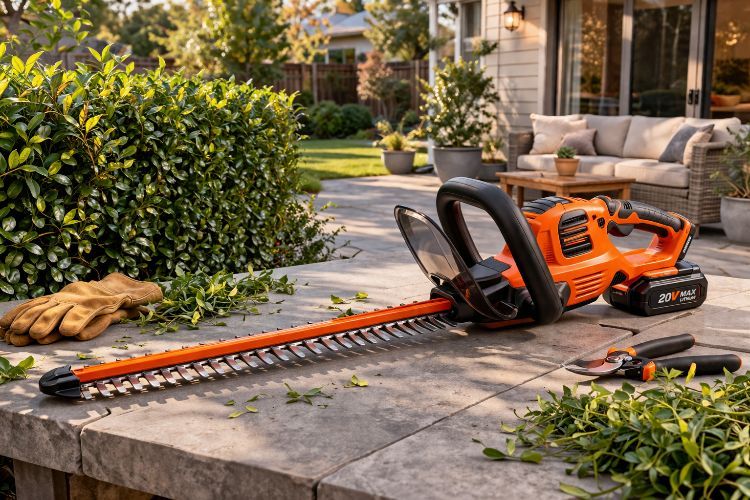
Choosing the Right Hedge Trimmers
Posted on Friday, April 17, 2026
To keep this site free for consumers, we receive compensation for customer referrals.
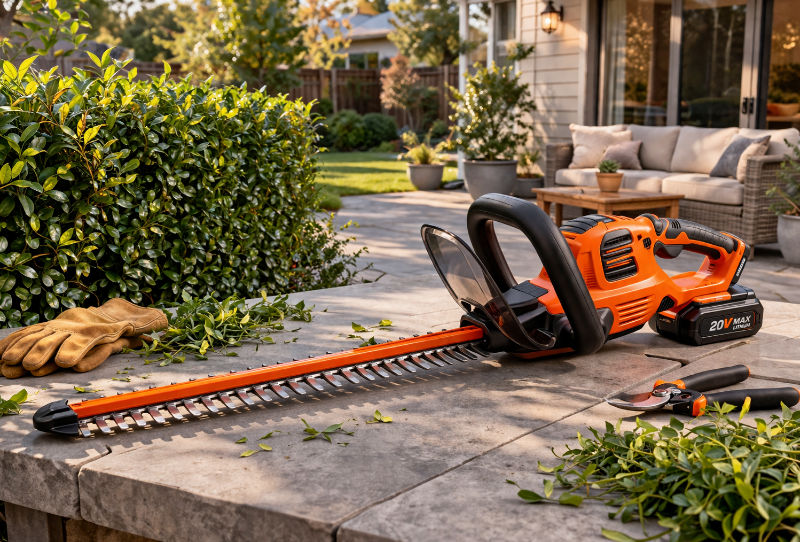
Choosing the Right Hedge Trimmers
Hedge trimmers are essential tools for maintaining shrubs, hedges, and decorative greenery in residential and commercial landscapes. Selecting the right hedge trimmers involves more than simply choosing a cutting tool—it requires understanding how different designs, power sources, and features influence performance and usability. With a wide range of configurations available, identifying what aligns with your yard size, trimming frequency, and precision needs is key.
This guide explores how hedge trimmers function, the variations within the category, and the practical factors that shape their real-world use. Whether maintaining formal hedges or managing overgrown greenery, a clear understanding of this category can simplify the decision-making process.
The Role of Hedge Trimmers in Landscape Maintenance
Hedge trimmers are designed to cut and shape plant growth efficiently, offering more control and consistency than manual tools. Their dual-blade systems allow for even trimming across flat surfaces or sculpted forms, making them suitable for both aesthetic shaping and routine upkeep.
In everyday use, hedge trimmers help manage plant density, encourage healthy growth patterns, and maintain visual structure. The extent of their impact often depends on blade design, cutting capacity, and how well the tool matches the scale of the task.
How Hedge Trimmers Work
Most hedge trimmers operate using a reciprocating blade mechanism, where two sets of teeth move back and forth to cut through branches. This motion allows for continuous cutting as the user guides the tool along the hedge surface.
The effectiveness of this system depends on factors such as blade spacing, stroke speed, and motor output. Wider tooth gaps typically accommodate thicker branches, while faster blade speeds contribute to smoother, more consistent cuts.
Types of Hedge Trimmers
Different hedge trimmer types are designed to address specific use cases, ranging from light shaping to heavy-duty trimming. Understanding these distinctions helps narrow down which configuration is most appropriate.
Electric Corded Models: These are often used for smaller yards or areas close to power sources. They tend to be lighter and require minimal maintenance, though mobility is limited by the cord.
Battery-Powered Options: Cordless designs provide greater flexibility and are commonly used for medium-sized properties. Battery capacity and runtime are key considerations, especially for extended tasks.
Gas-Powered Units: Typically suited for larger or more demanding jobs, these offer higher power output and longer continuous operation. They are often heavier and require more upkeep.
Pole Hedge Trimmers: Designed for reaching taller hedges or elevated areas, these include an extended shaft and adjustable head angles. They can reduce the need for ladders but may be more difficult to control.
Key Features That Influence Performance
- Blade Length: Longer blades cover more surface area, which can improve efficiency on large hedges, while shorter blades allow for more precise shaping.
- Tooth Gap: The spacing between blade teeth determines the maximum branch thickness the trimmer can handle.
- Weight and Balance: A well-balanced tool reduces fatigue and improves control during extended use.
- Handle Design: Rotating or ergonomic handles can make it easier to trim at different angles.
- Safety Features: Blade guards, dual-trigger systems, and quick-stop mechanisms contribute to safer operation.
- Power Source: The type of power—corded, battery, or gas—affects runtime, maintenance, and portability.
Performance and Usability in Real Conditions
In practice, hedge trimmers are often used for extended periods, making comfort and ease of handling just as important as cutting ability. Heavier models may offer more power but can lead to quicker fatigue, particularly when working overhead or across large areas.
Noise levels and vibration can also influence the overall experience. Some designs prioritize quieter operation and reduced vibration, which may be beneficial in residential environments or for prolonged use.
Trade-Offs to Consider
No single hedge trimmer configuration addresses every need. Tools with higher power output may come with increased weight and maintenance requirements, while lighter models may be less effective on thicker growth.
Battery-powered units offer convenience but are limited by runtime, whereas corded models eliminate battery concerns but restrict movement. Understanding these trade-offs helps set realistic expectations and align features with intended use.
Where Different Types Make Sense
For smaller properties with light trimming needs, compact and lightweight options are often sufficient. Medium-sized yards may benefit from a balance between portability and cutting capacity, particularly when managing varied plant types.
Larger landscapes or dense hedges typically require tools with greater reach and power, especially when dealing with thicker branches or extended trimming sessions. Pole configurations may also be relevant in spaces with taller or hard-to-reach growth.
Making a Confident, Informed Choice
Choosing the right hedge trimmers comes down to aligning tool capabilities with the specific demands of your outdoor space. Factors such as hedge size, branch thickness, and frequency of maintenance all play a role in determining what features are most relevant.
By focusing on how different designs perform in real-world conditions, it becomes easier to compare options objectively. For more in-depth category insights and guidance, exploring additional resources on our site can further support a well-informed evaluation process.

Related Blog Posts