
Join the millions that have trusted BuyersGuide.org to help them make smarter buying decisions. Let our independent expert reviews and data-driven shopping recommendations help you find the one that's right for you.




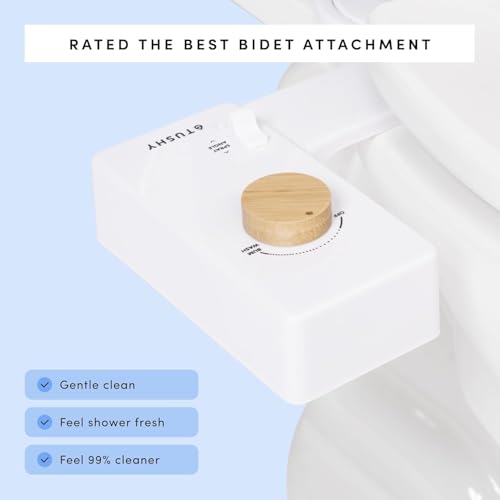


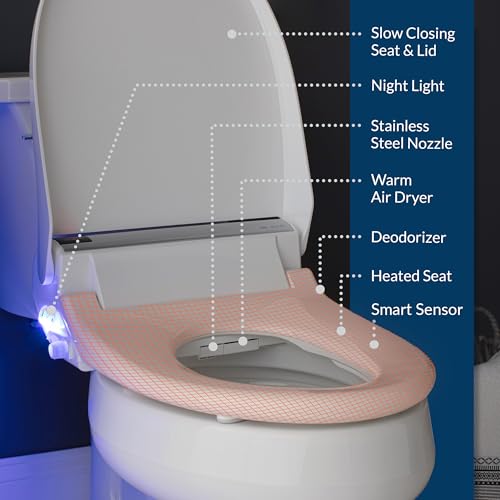

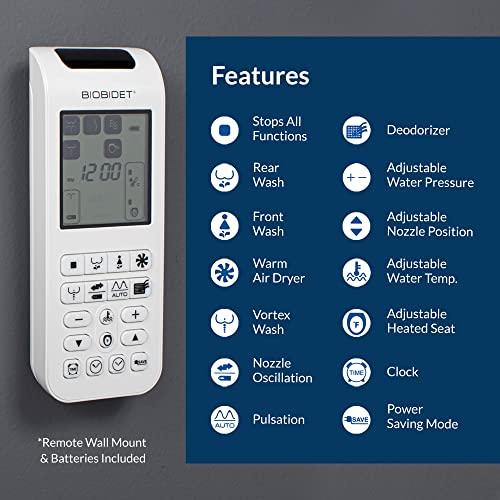


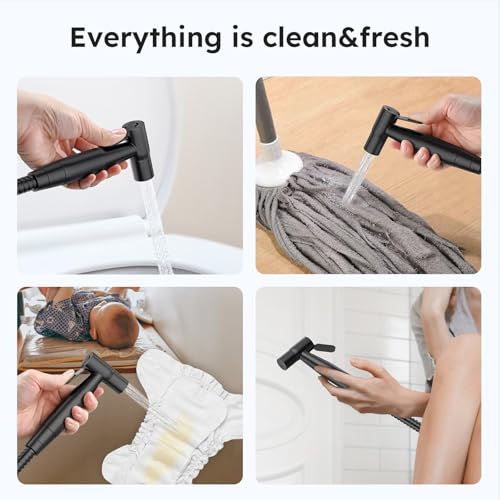








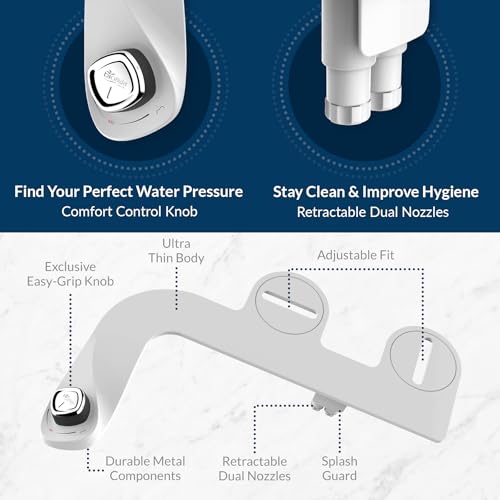




We also considered 10 others:


Our Top Choice
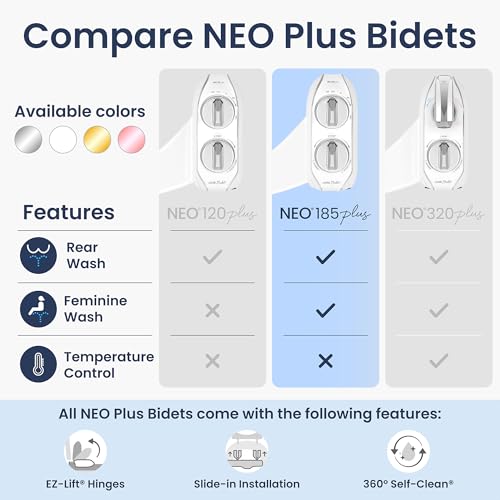
Compare Features


Why These Features Matter:
A bidet is one of those home upgrades that sounds faintly dramatic until you live with one for a week. Then you go to a friend’s house, stare at their dry toilet paper like it’s a relic, and quietly mourn your own bathroom back home.
The “best” bidet isn’t the one with the most buttons. It’s the one you’ll actually use every day—half asleep, slightly rushed, maybe with a toddler banging on the door—without cursing the seat, the remote, the temperature, or the fact that your outlet is just out of reach.
Adjustable water pressure (and a spray that doesn’t feel personal)
Pressure range is the difference between “fresh and clean” and “why is my bathroom appliance trying to power-wash my soul.” The sweet spot is a bidet that starts gentle, ramps gradually, and doesn’t require you to do that awkward hover-scoot to line things up.
- Notable strengths: Multiple pressure steps you can actually distinguish; a “soft” setting that’s truly soft; consistent spray without sputtering.
- Things to know: The harshest complaints from new bidet owners aren’t about cleanliness—they’re about being startled. A slow-start or low baseline pressure matters more than an impressive max.
- Honest caveat: If your home has funky water pressure (old building, questionable plumbing vibes), even a “gentle” setting can feel chaotic. Some models handle this better than others, but no bidet can fully outsmart your pipes.
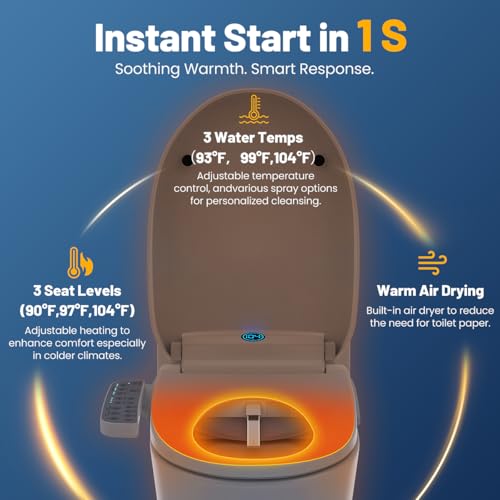
Warm water: nice, not mandatory—unless you’re sensitive or it’s February
Cold-water bidets are more than survivable; many people get used to them fast. But warm water is the feature that makes a bidet feel like a daily comfort item instead of a bracing life choice.
- Notable strengths: Water warms quickly; temperature stays stable; you don’t have to “preheat” your bathroom like it’s a tiny sauna.
- Things to know: Tankless warm water sounds elegant; in real life, it’s about whether the warmth arrives quickly and stays there without weird hot-cold mood swings.
- Honest caveat: Warm water almost always means you’re dealing with electricity, cords, and outlet logistics—i.e., the least glamorous part of any bathroom.
Heated seat: the luxury you’ll deny wanting, then miss immediately
A heated seat is not necessary. It is also extremely easy to get attached to, like having a car with seat warmers and suddenly becoming “a person who cares about seat warmers.” If your bathroom runs cold (tile floors, drafty window, prewar radiator that clanks like a ghost), this one lands.
- Notable strengths: Even heat (no “hot strip” effect); adjustable temps; a setting that doesn’t feel like sitting on a freshly charged laptop.
- Things to know: The best heated seats feel quietly normal—warmth you notice only when it’s gone.
- Honest caveat: Some seats run warmer than you’d expect on the default setting. If you share a bathroom, prepare for a small domestic negotiation.
Nozzle hygiene that’s actually hygienic (and not just reassuring copy)
This is where bidets get real. You want a nozzle that cleans itself in a way that inspires trust, not the vague confidence of a “self-cleaning” label.
- Notable strengths: Automatic rinse before/after use; a nozzle that retracts behind a shield; easy-to-clean surfaces that don’t have little grime-friendly crevices.
- Things to know: Stainless components tend to feel less… porous in your imagination (which matters, because you will think about this).
- Honest caveat: If you’re not the sort of person who ever wipes down the toilet hinges, a bidet won’t magically turn you into them. It’s still a bathroom fixture—plan on occasional cleaning.
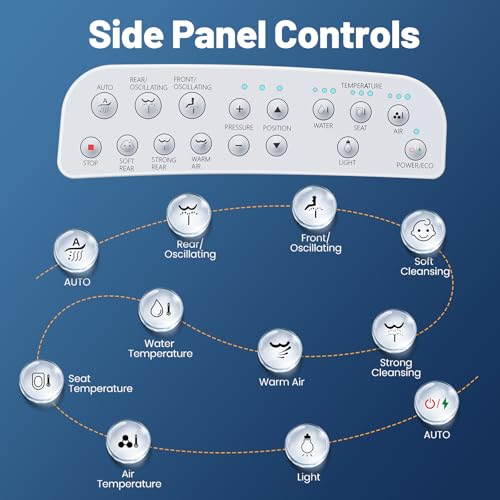
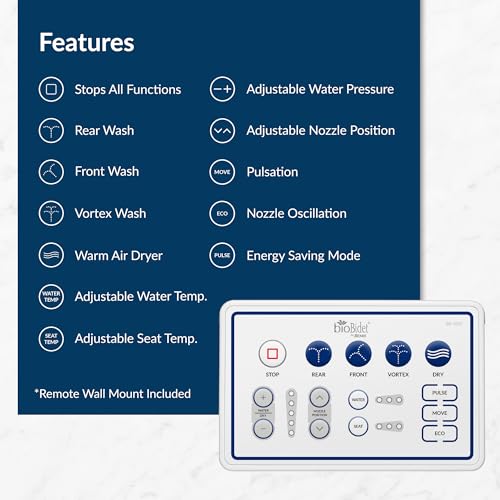
Controls: seat-side beats “where is the remote?” for most people
Remote controls look sleek in product photos. In real bathrooms, they end up on the back of the toilet, wedged behind a plant, or mysteriously on the floor (usually the worst possible moment). Seat-side controls are less glamorous but more reliable—especially for guests who don’t want a tutorial.
- Notable strengths: Buttons you can identify by feel; simple icons; a “stop” button that’s obvious.
- Things to know: If multiple people use the bathroom, a remote with presets can be surprisingly helpful—less fiddling, fewer accidental pressure events.
- Honest caveat: Remotes require a mount, which requires drilling or adhesives, which may or may not survive bathroom humidity and renter anxiety.
Noise level: the underrated factor in small apartments and thin-walled bathrooms
Bidets make noises. Pumps whir. Water shifts. Some units sound like a polite hum; others sound like they’re preparing for takeoff. If your bathroom shares a wall with your bed (hello, studio life), this matters.
- Notable strengths: Low, steady operating sound; no high-pitched whine; gentle lid/seat movement if it’s automated.
- Things to know: The “surprising” noise is often the first-second motor kick, not the water itself.
- Honest caveat: Warm-water, feature-heavy bidets tend to be louder than basic attachments. Physics is, unfortunately, undefeated.
Fit and comfort: if the seat feels wrong, you’ll resent it daily
This is the part no one wants to talk about, but everyone notices: seat shape. Some bidet seats sit a little higher or feel narrower than a standard toilet seat. If you’re tall, broad-hipped, or simply attached to your current seat, pay attention here.
- Notable strengths: Comfortable contour; stable seating (no wobble); materials that don’t feel cheap or overly plasticky.
- Things to know: Elongated vs. round isn’t a minor detail—it’s the difference between “fits perfectly” and “why does this feel like a compromise.”
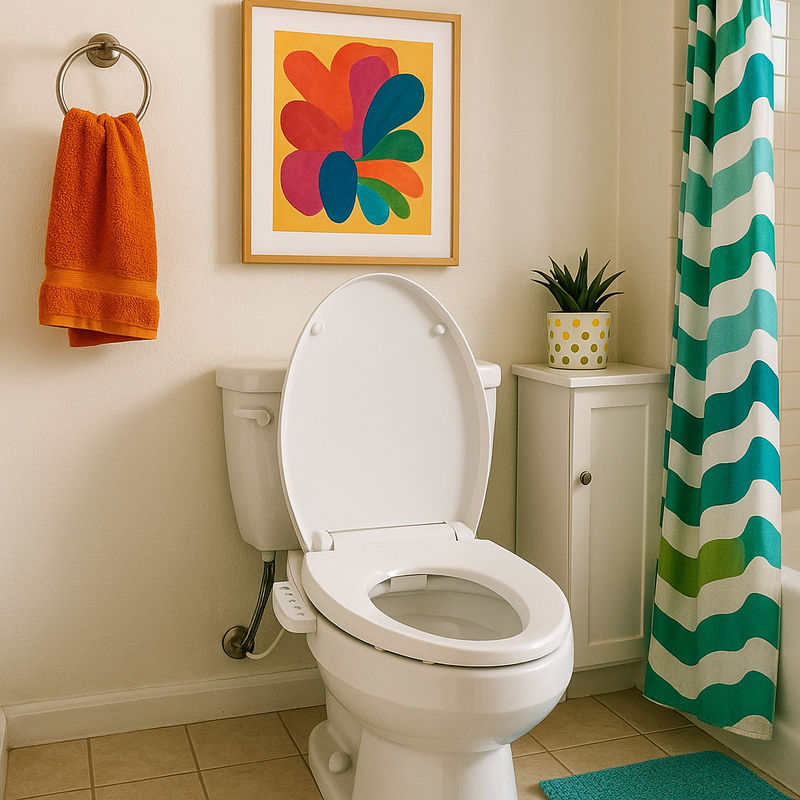
- Honest caveat: If you’re using a bidet attachment under your existing seat, you may get a slightly odd angle or a subtle seat tilt. Some people never notice; others become obsessed with it.
Dryer function: handy, but not the end of toilet paper
Air dryers are nice in theory, but in practice they’re often a little slow and a little underpowered. Think “gentle breeze” more than “salon blowout.” Most people still keep a small amount of toilet paper around—either for a quick pat-dry or for guests who aren’t ready to commit emotionally.
- Notable strengths: Warm air that doesn’t feel clammy; reasonable drying time; airflow positioned well enough that you’re not doing interpretive seated choreography.
- Things to know: Dryers are best seen as a reduction tool (less TP), not an elimination plan.
- Honest caveat: If you’re always rushing, you may not have the patience for a full dry cycle. This is not a moral failure; it’s a schedule.
Installation reality check: outlets, cords, and the tyranny of toilet placement
Bidets are a simple pleasure with one very un-sexy gatekeeper: your bathroom setup. If you need warm water, a heated seat, or a dryer, you’ll need power. And power in bathrooms is rarely positioned for your convenience.
- Notable strengths: Long enough cord; thoughtful cord routing so it doesn’t look like a tech snake pit; clear installation instructions that don’t assume you’re an amateur plumber with infinite confidence.
- Things to know: Measure your space. Check where the outlet is. Consider whether the cord will cross a walkway or dangle near where you mop. These are the small annoyances that become daily.
- Honest caveat: In some homes, installing a feature-rich bidet means calling an electrician. That doesn’t make the bidet “high maintenance.” It makes your bathroom a bathroom.
Priorities (aka: how to pick without spiraling)
If you’re staring at a grid of features and feeling your brain turn to oatmeal, here’s the sane order of operations:
- First: Comfort + fit (right seat shape; doesn’t wobble; doesn’t feel like sitting on a weirdly elevated perch).
- Second: Pressure control + spray consistency (gentle start, adjustable steps).
- Third: Easy, believable nozzle cleaning (retracting nozzle, pre/post rinse).
- Then, if your bathroom allows: Warm water and heated seat (quality-of-life features you’ll actually notice).
- Last: Dryer, deodorizer, night light, assorted extras (nice, but rarely the reason you love it).
The small annoyances people don’t tell you until you already own one
- You will think about your bathroom outlet more than you ever wanted to. Especially if you live in an older apartment where the outlet seems placed by someone who hated joy.
- Guests can get intimidated. A simpler control scheme saves you from giving a demo like you’re explaining a European shower.
- Kids will press buttons. Not maliciously—just with the curiosity of tiny scientists. Consider a control lock if that’s your household.
- Hard water is a menace. In some areas, mineral buildup can shorten the honeymoon period unless you clean regularly.
The bottom line
The best bidet is the one that disappears into your routine: comfortable seat, sane controls, a spray you can fine-tune, and hygiene features that feel genuinely clean. If you can swing warm water and a heated seat (and your outlet situation isn’t cursed), it’s a daily little luxury that doesn’t feel precious—just quietly correct.
And if you can’t? A basic, non-electric setup can still deliver the core benefit: you feel cleaner, you use less paper, and your bathroom stops feeling like a place where comfort goes to die.
3,300+ shoppers have used Buyer's Guide in the last week to help find the best Bidets.

Helping millions of users make smarter purchases online.

