








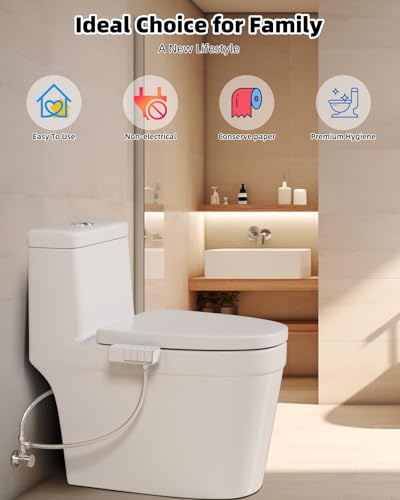





We also considered 10 others:


Our Top Choice
Compare Features


The order above is not editorial opinion, and it is not paid placement. It comes from what shoppers across our network actually do - which bidets for toilets they compare, and which they ultimately buy. We re-rank as new data comes in, so the long-term favorites have to keep earning their spot against new entrants. The full method, including how we make money.
Bidets for Toilets Buyer's Guide
Bidets for toilets sit at a practical tradeoff: simple non-electric attachments are cheaper and easier to retrofit, while electric seats add warm water, heated seats, dryers, and finer control but require outlet access and better fit planning. The sharpest concerns are toilet/plumbing compatibility, leak-safe installation, and whether the spray can be adjusted enough to clean thoroughly without being harsh.
Performance
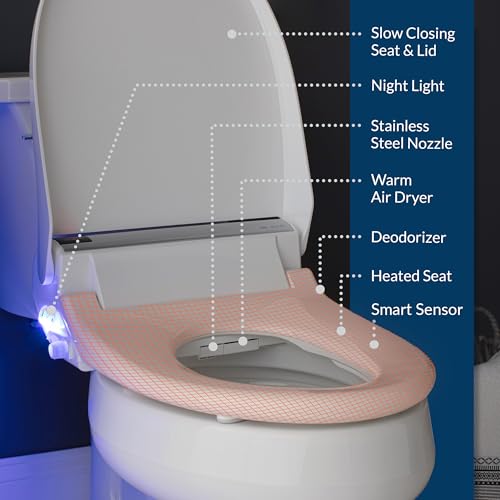
A bidet’s performance determines how reliably it gets you clean, so look for effective spray coverage, enough water pressure for your preference, and controls that let you adjust position, intensity, and temperature if available. Features are only useful if they improve the core wash experience, so watch out for models with lots of extras but weak pressure, limited adjustability, or inconsistent spray patterns.
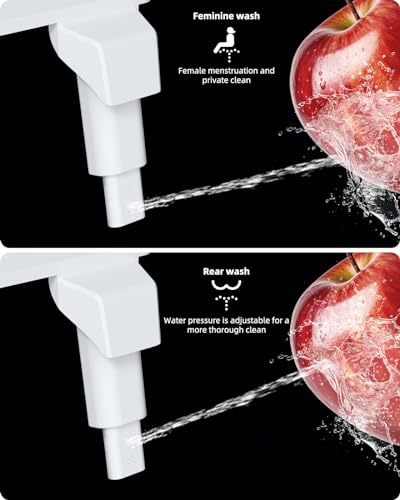
For performance, prioritize adjustable water pressure, accurate nozzle positioning, and separate rear/front wash options if multiple users will share the toilet; avoid models with only a harsh on/off blast or a fixed nozzle that cannot aim well on your bowl shape. If choosing an electric seat, consider whether you need sustained warm water, nozzle oscillation, or a dryer, but do not let extras substitute for core wash control. Owner feedback supports this: buyers consistently praise effective rear spray, gentle-to-strong pressure adjustment, dual-nozzle cleaning, and the feeling of being noticeably cleaner than with toilet paper alone.
Installation
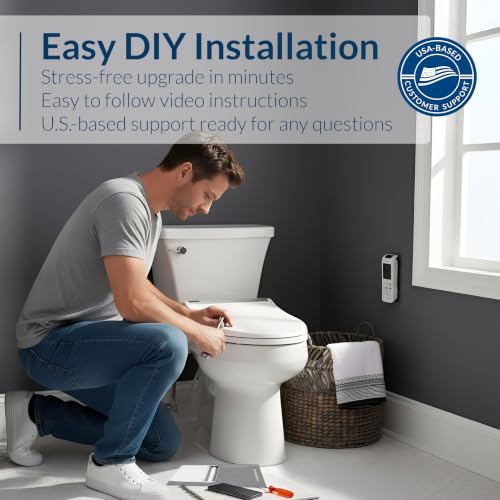
A bidet is only useful if it fits your toilet and installs securely without creating leaks, so check whether your bowl shape, seat mounting holes, and water connection are compatible before you buy. Look for clear installation instructions, included hardware, and fittings that seal reliably; if your bathroom has limited clearance or an unusual toilet design, confirm the bidet can be mounted without wobble or hose strain.
For installation, first verify toilet fit: round vs elongated bowl, bolt spacing, clearance from tank to seat bolts, one-piece or skirted toilet shape, and whether a bidet seat or under-seat attachment will sit flat without lifting the toilet seat. Check plumbing before buying: most units need the right T-valve at the toilet tank, a working shutoff valve, enough hose clearance, and electric models need a nearby GFCI-protected outlet—extension-cord setups are a warning sign in a wet bathroom. Owner sentiment backs up the payoff when these conditions are met, with many buyers describing setup as quick, clear, and manageable without a plumber when the included parts fit and an outlet is available.
Build
Build quality matters because a bidet is installed on your toilet and exposed to daily use, water pressure, and frequent adjustments, so flimsy parts can lead to leaks, wobbling, or premature failure. Look for sturdy fittings, secure mounting hardware, durable nozzles, and controls that feel solid rather than loose or brittle. Watch out for thin plastic connections or poorly sealed components, especially if you need something that will hold up in a busy household.
For build quality, focus on the parts most likely to fail: the T-valve, supply hose, mounting plate, seat hinges, nozzle housing, and any handheld sprayer trigger. Metal or reinforced fittings, braided hoses, secure mounting hardware, slow-close hinges, and a nozzle shield matter more than a sleek exterior; be cautious of brittle plastic threads, wobbly attachments, or designs that create a seat gap and stress the toilet seat. Owner reports reinforce this priority, noting that well-made seats and attachments feel solid, dependable for daily use, and in some cases more premium or less bulky than expected.
Usability
A bidet should be simple to use every day, especially when you’re half-awake, in a hurry, or sharing it with guests. Look for clear controls, an intuitive remote control or side panel, and easy access to core settings like water pressure, temperature, spray position, and wash mode. Watch out for cluttered buttons, confusing icons, or menus that make basic adjustments harder than they need to be.
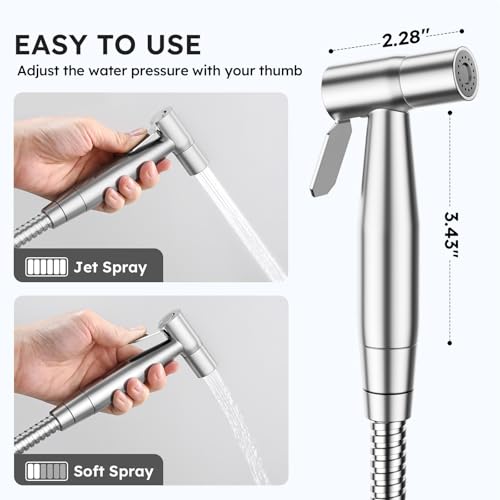
For usability, choose controls that match the users: a side knob may be simplest, while a remote or panel with clear icons helps with heated seats, dryer, nozzle position, and user presets. Households with children, older adults, postpartum users, or anyone with limited mobility should look for easy-to-reach controls, gradual pressure adjustment, soft-start spray, and clear rear/front wash separation; handheld sprayers should have a trigger that is easy to feather rather than abruptly full-force. Owner feedback supports these features, with buyers appreciating adjustable spray, controllable trigger pressure, dual jets, and straightforward everyday operation without a complicated learning curve.
Cleanliness
A bidet should leave you feeling genuinely clean and fresh, so look for strong, well-aimed wash performance with adjustable pressure, nozzle position, and spray patterns that match your needs. Also consider how easy the unit is to keep sanitary: self-cleaning or retractable nozzles, smooth surfaces, and simple-to-wipe controls can make a big difference, while hard-to-reach crevices and splash-prone designs can become frustrating over time.
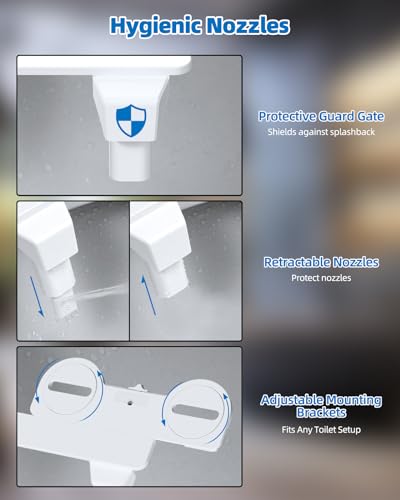
For cleanliness, look for retractable nozzles, self-cleaning rinse functions, nozzle shields, and enough adjustability to avoid overspray or splashback; exposed fixed nozzles and hard-to-clean crevices can become hygiene liabilities. If front wash is important, choose a true dual-nozzle or dedicated feminine-wash design rather than relying on awkward body positioning, and make sure pressure can go low enough for sensitive use but high enough for thorough cleaning. Owner sentiment aligns strongly here: users report effective cleaning, reduced toilet-paper dependence, comfortable-to-strong pressure ranges, and a bathroom routine that feels cleaner overall.
Value
You want a bidet that feels like a worthwhile upgrade, not one that adds cost without improving your daily routine. Look for value for money in the features you’ll actually use, the build quality, ease of installation, and whether it can reduce ongoing toilet paper use. Watch out for paying extra for premium settings that sound appealing but may not matter to you day to day.
For value, match the type of bidet to the bathroom and user needs instead of simply buying the most feature-heavy option: a basic attachment can be excellent for cold-water cleaning, a handheld sprayer adds versatile rinsing but needs careful pressure control, and an electric seat is worth considering when warm water, heated seating, dryer functions, or accessibility matter. Factor in possible extras such as a GFCI outlet installation, replacement hoses, adapter fittings, or a better shutoff valve, because those can affect the real cost and hassle of the upgrade. Owner feedback suggests strong value when the unit is easy to install, feels solid, reduces toilet-paper use, and delivers a meaningful hygiene upgrade without unnecessary complexity.
1,000,000+ shoppers use Buyer's Guide every week to find the best products and services online.

Helping millions of users make smarter purchases online.


