




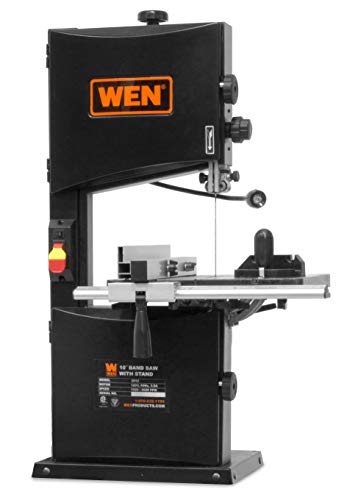


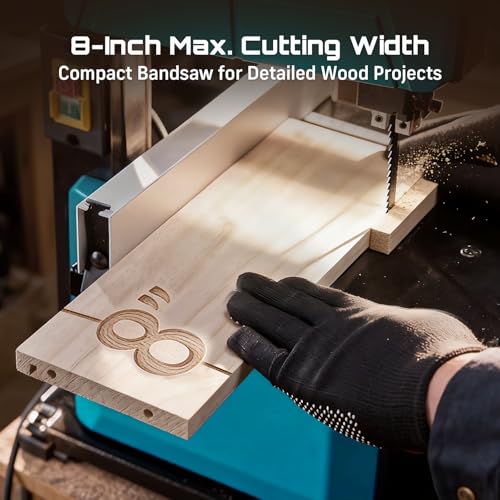


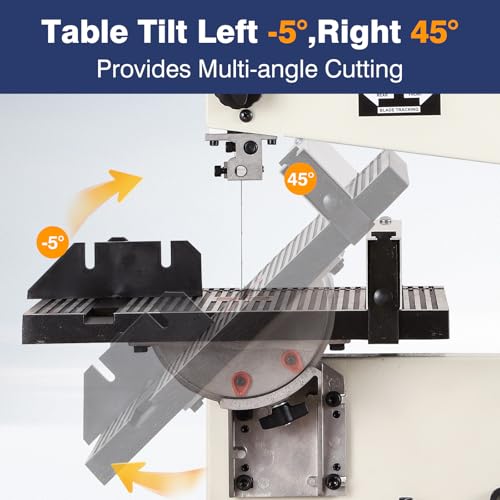

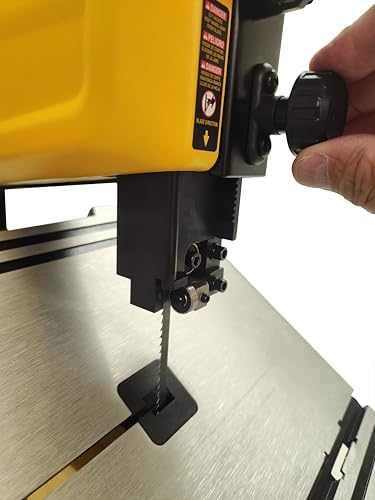

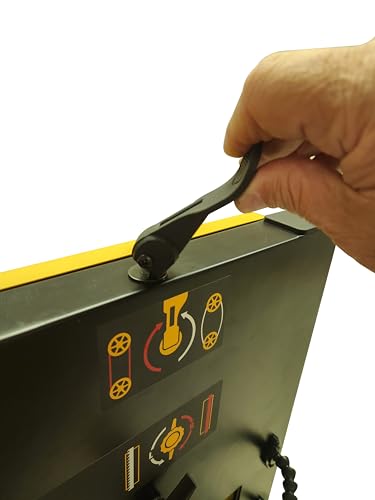

We also considered 10 others:


Our Top Choice
The order above is not editorial opinion, and it is not paid placement. It comes from what shoppers across our network actually do - which benchtop bandsaws they compare, and which they ultimately buy. We re-rank as new data comes in, so the long-term favorites have to keep earning their spot against new entrants. The full method, including how we make money.
Benchtop Bandsaws Buyer's Guide
Benchtop bandsaws trade floor-space savings for limited capacity, lighter frames, and more setup sensitivity than full-size shop saws. The key is matching the saw to your real material—wood curves and small resawing, or metal tubing, bar, and angle iron—then checking whether the guides, table or vise, and frame can hold alignment well enough for square repeatable cuts.
Cut Capacity
Cutting ability is the first separator because benchtop bandsaws span very different uses, from hobby woodworking to small metal fabrication. A saw that is excellent on thin plywood may be poorly matched to steel bar, and a metal-cutting saw may not offer the table behavior a woodworker expects. Capacity, power, blade speed, and stock support should be judged together, not as isolated specs.
Start by confirming the saw is built for the material you actually cut: wood saws need enough throat depth, table support, and blade-width range for curves or modest resawing, while metal-cutting setups need suitable blade speed, tooth count, and capacity for tubing, round bar, square tube, and angle iron. Avoid assuming a compact benchtop saw will handle large resawing, thick steel, or production work just because it can make occasional cuts; underpowered motors, wrong blade speed, and too-small capacity are common failure points. Owner feedback strongly rewards saws that cut steel, tubing, aluminum, plywood, and small-shop stock quickly, cleanly, and with little effort, while also noting that compact models are better for modest stock than large jobs.
Accuracy Setup
Bandsaw accuracy depends on the whole alignment chain: blade tracking, guide position, table or vise squareness, and workholding. Small benchtop frames leave less margin for sloppy adjustments, so a saw can feel powerful but still disappoint if it will not cut plumb or repeat an angle. Buyers who need joinery, metal fit-up, or repeatable parts should prioritize adjustment quality over raw motor claims.
Look for an adjustment system that can be squared and kept square: accessible blade guides, reliable tracking controls, a fence or vise that can be aligned to the blade, and miter or angle settings that lock without drifting. For wood, check that the table tilts predictably and the fence does not deflect; for metal, check that the vise holds tubing and bar stock square to the blade before the cut begins. Owners often report clean, square, accurate cuts once a saw is dialed in, but they also flag fussy fence and guide-bearing adjustment, awkward angle cutting, and the need to square the vise or accept small alignment compromises.
Blade System
The blade is a consumable, but the saw’s blade system determines how well consumables perform. Poor tensioning, weak guide support, or limited blade choices can turn an otherwise capable motor into a frustrating tool. A good benchtop bandsaw should make proper blade selection, changing, tracking, and tensioning routine rather than a recurring project.
Choose a saw with blade availability that fits your work: narrower blades for tight wood curves, wider blades for straighter cuts, fine-tooth bi-metal-style blades for metal, and coarse enough tooth spacing to clear chips in thicker stock. Check the blade length before buying, because unusual sizes can limit replacement choices, and favor machines with accessible tensioning, tracking, and guide adjustment. Owners praise easy blade installation and blade changes, but also report that stock blades may not satisfy every task and that tracking durability can show up as blades popping off after use.
Workholding
Bandsaws are safer and more accurate when the workpiece is controlled before the blade enters the cut. Benchtop machines can invite improvisation because they are small, but poor workholding leads to twist, blade deflection, rough cuts, and greater risk. The best choice for a buyer depends on whether the saw will primarily support flat wood on a table or clamp metal stock in a vise.
For metal-cutting benchtop saws, prioritize a solid vise or clamp, controlled feed, and automatic shut-off so the cut can finish without hand pressure near the blade. For woodworking benchtop saws, look for a flat table, usable miter slot, stable fence, clear guarding, and enough table area to keep small workpieces controlled; avoid freehanding awkward metal stock or forcing short offcuts without support. Owner sentiment specifically praises hands-free cutting and automatic shut-off as standout conveniences, and also notes that smooth cutting improves once the workpiece is clamped securely.
Bench Stability
Benchtop bandsaws are bought to save space, yet their smaller footprint can reduce stability and confidence during harder cuts. Vibration and flex affect cut quality, blade life, noise, and how often the saw needs readjustment. A careful shopper should treat size as a fit question, not automatically as a benefit.
Measure the bench space, but also check weight, base material, mounting options, and frame rigidity; a compact saw that must be chased around the bench or constantly realigned is not a good space saver. Cast or rigid bases, low vibration, and the ability to bolt the saw down matter more as cuts get taller, harder, or more repetitive. Owners like compact bench size for crafts, DIY work, and small shops, and some appreciate sturdier cast-base construction, but they also note that limited footprint can feel less substantial and that stability or long-term confidence can be uneven.
Owner Ease
Ease of ownership matters because benchtop bandsaws are often bought by hobbyists and small-shop users who do not want a restoration project. Initial setup, repeat adjustments, blade changes, and maintenance access determine whether the saw stays useful after the first few cuts. Value is strongest when the machine’s limitations match the buyer’s workload and the adjustments remain manageable.
Expect some setup even on a beginner-friendly benchtop saw: assemble the stand or table parts, tension and track the blade, set guide bearings, square the fence or vise, and make test cuts before judging accuracy. Favor designs with clear access to adjustments and common maintenance points, because small saws often need periodic dialing-in as blades change and parts settle. Owners frequently describe assembly and first use as straightforward, quiet, and quick to get running, and many see strong value for hobby, DIY, beginner, and small-shop use, but sentiment is mixed on long-term refinement and whether every unit feels like a sturdy long-term buy.
1,000,000+ shoppers use Buyer's Guide every week to find the best products and services online.

Helping millions of users make smarter purchases online.


