









We also considered 10 others:


Our Top Choice
Compare Features


The order above is not editorial opinion, and it is not paid placement. It comes from what shoppers across our network actually do - which bathroom shower heads they compare, and which they ultimately buy. We re-rank as new data comes in, so the long-term favorites have to keep earning their spot against new entrants. The full method, including how we make money.
Bathroom Shower Heads Buyer's Guide
Bathroom shower heads sit at the tradeoff between a powerful rinse and comfortable coverage: the biggest, prettiest head is not always the one that feels best on real household plumbing. The sharpest buying concerns are pressure feel, leak-free installation, and whether handheld or dual-head features add useful reach without creating extra failure points.
Pressure Feel
A shower head can only work with the plumbing pressure available, but nozzle design determines whether the spray feels weak, balanced, or forceful. In this category, the best pick concentrates flow enough to rinse shampoo quickly without turning the spray into a harsh needle pattern or wasting water.
Look for a shower head with pressure-focused spray patterns, silicone nozzles, and a rated flow that matches your local rules and household plumbing; if your home has low pressure, a smaller face or concentrated massage/rinse mode often feels stronger than an oversized rain head. Avoid choosing only by face diameter: very wide heads can feel luxurious but may spread limited flow too thin, especially on upper floors or older plumbing. Owner feedback strongly centers on water pressure, with high-weight praise for shower heads that make the shower feel noticeably more powerful and provide a strong, satisfying flow.
Spray Modes
Spray variety matters because the same shower head often has to handle quick rinses, relaxing showers, and targeted cleaning. Good mode controls should change the feel of the water in useful ways, not just rename several nearly identical patterns.
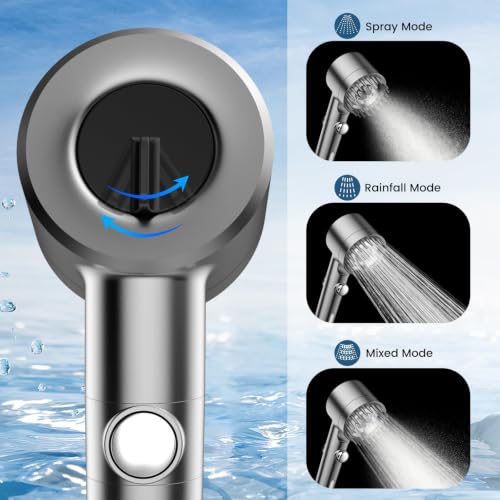
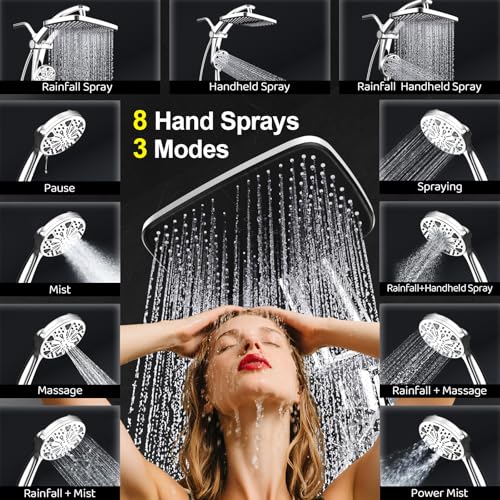
Choose modes around your actual routine: a broad rain or waterfall pattern for full-body coverage, a concentrated rinse for hair, and a pause or narrow jet mode if you clean the shower walls or rinse muddy gear. For dual-head models, check whether both heads can run together and whether the diverter is easy to reach with wet hands; some setups lose force when both outlets share the same flow. Owner sentiment supports this strongly: multiple spray settings, dual heads, rain-style and waterfall-style modes, and easy switching are repeatedly tied to everyday functionality, adjustability, and a more relaxing shower.
Handheld Reach
A handheld shower head changes the job from simply bathing to rinsing, cleaning, and reaching awkward angles. Hose length, flexibility, dock security, and grip shape determine whether that convenience feels natural or becomes clumsy.
For a handheld or combo unit, prioritize a flexible kink-resistant hose, a secure cradle that can be re-docked one-handed, and enough reach to rinse tub corners, seated users, children, or pets without pulling on the wall fitting. If the shower is small, avoid bulky dual-head assemblies that crowd the stall or point water outside the curtain line. Owners specifically value handheld designs and multiple modes for everyday rinsing, cleaning the shower, and washing pets, so this is a core buying factor rather than a bonus feature.
Leak Control
Most shower heads are simple to install, but small fitting issues can cause drips, wall-arm stress, or hose failures. A good unit should seal cleanly with standard plumbing threads and include the right washers so the connection does not depend on overtightening.
Confirm compatibility with the standard shower arm size in your region, inspect that rubber washers are included and seated flat, and hand-tighten before using tools so you do not crack plastic nuts or cross-thread the joint. Pay close attention to combo and handheld kits: every extra hose, diverter, and swivel adds another possible leak point, so solid gaskets and smooth threading matter more than decorative hardware. Owner reports make this a split but important watch-out: many installs are described as quick, easy, and leak-free, while others mention dripping or hose-related failures that develop over time.
Build Quality
Bathroom shower heads live in heat, moisture, mineral deposits, and constant handling, so weak finishes and fittings show up over time. Materials, hose construction, and cleanable nozzles often matter more for longevity than how premium the unit looks out of the box.
Look for a sturdy ball joint, durable hose ends, cleanly molded threads, and silicone anti-clog nozzles that can be rubbed clear if you have hard water. Be cautious with shiny lightweight parts if the hose will be pulled often, because finish wear, cracked connectors, and loosened joints are common long-term failure modes in this category. Owner sentiment backs this caution: the finish and build can be perceived as attractive and high-end, but long-term durability is the main watch-out, especially around hose finish and connection points after months or years of use.
Real Value
The best value in a shower head comes from dependable daily performance, not the longest feature list. A lower-cost unit can be satisfying if it delivers pressure, seals well, and has the spray options you will actually use.
Spend for the features that change daily use: reliable pressure, useful spray modes, a flexible handheld hose if needed, and fittings that seal without fuss. Do not overvalue cosmetic bulk, excessive pattern counts, or complex dual assemblies unless they match your shower size and plumbing, because those can add leak points without improving the rinse. Owner feedback repeatedly frames value as a major strength when strong flow, easy installation, attractive finish, and practical functionality come together without feeling overbuilt.
1,000,000+ shoppers use Buyer's Guide every week to find the best products and services online.

Helping millions of users make smarter purchases online.


