
















We also considered 10 others:


Our Top Choice
Compare Features


The order above is not editorial opinion, and it is not paid placement. It comes from what shoppers across our network actually do - which automatic litter boxes for large cats they compare, and which they ultimately buy. We re-rank as new data comes in, so the long-term favorites have to keep earning their spot against new entrants. The full method, including how we make money.
Automatic Litter Boxes for Large Cats Buyer's Guide
For large cats, the best automatic litter box is not simply the biggest-looking one; it has to give a broad cat enough interior turning room while still keeping urine, clumps, and tracked litter inside the machine. The sharpest concerns are usable interior space, sensor safety/accuracy for heavier cats, and whether the cleaning mechanism can handle larger clumps without smearing or sticking.
Containment
You want a litter box that keeps scattered litter, spray, and tracked waste contained so your floors stay cleaner and daily upkeep is easier. Look for features like higher sides, a well-sized entry, covered or top-entry designs, and smooth interior surfaces that limit leaks and sticking, but make sure the setup still gives your cat enough room and easy access.
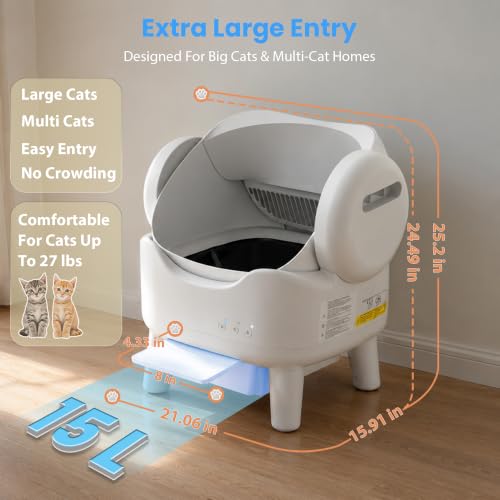
Prioritize a box with a genuinely roomy interior, a wide entry, enough headroom for a large cat to turn around, and high enough walls or a well-positioned waste path to catch cats that pee near the edge or enter and face outward. Avoid designs where a big cat’s rear can hang outside the opening, because that is a common large-cat failure mode and can lead to misses, tracked litter, and urine outside the bin. Also check how the unit handles wet clumps: owners often find automatic boxes contain litter better than a normal box overall, but larger or wetter clumps can stick to the rake, drum, or liner and leave muddy streaks that need wiping.
Use
You’ll interact with a litter box every day, so easy setup, simple assembly, and reliable functionality can make the difference between a box you tolerate and one that fits smoothly into your routine. Look for designs that are intuitive to put together, easy for your cat to enter and use, and convenient for scooping or cleaning; watch out for awkward lids, flimsy parts, tight openings, or mechanisms that add hassle instead of reducing it.
Choose a model whose entrance height, interior floor space, and sensor range match your cat’s actual size and weight, not just the advertised “large” label. For big cats, the cleaning delay should be adjustable so the cat has time to leave fully before cycling, and controls should allow manual pauses while the cat is acclimating. Owner feedback strongly supports the convenience side: automatic boxes are repeatedly liked for replacing daily scooping with simple tray swaps or automated cycles, and many buyers describe setup, controls, app pairing, and usage tracking as straightforward.
Cleaning
Cleaning matters because a litter box that’s hard to scoop, empty, or wash can quickly lead to odors, buildup, and skipped maintenance. Look for smooth interior surfaces, minimal seams or tight corners, and parts that are easy to remove and rinse; watch out for bulky shapes, textured plastic, or complicated components that can trap waste and make regular cleaning harder.
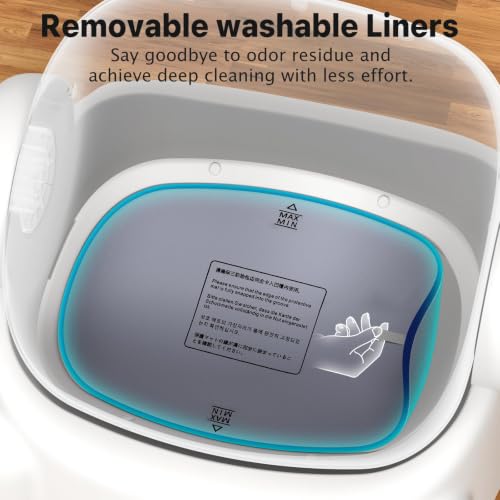
Look for cleaning access that suits large-cat waste volume: a waste drawer that can handle bigger clumps, surfaces that can be wiped without disassembling half the machine, and a rake or rotating chamber that does not trap damp litter in seams. If your cat produces large urine clumps, favor designs with smooth liners, compatible clumping litter, and easy access to the sifting path, because stuck clumps are where “hands-off” systems become manual work. Owners generally report that automatic cleaning greatly reduces daily maintenance, with easy tray changes, consistent self-cleaning, app-controlled cleaning or emptying on some units, and noticeably less routine cleanup when paired with regular emptying.
Build
A well-built litter box holds its shape, resists cracking, and stands up to daily scooping, washing, and your cat’s digging or jumping in and out. Look for sturdy, non-brittle materials, stable construction, and smooth surfaces that won’t trap waste or odors; watch out for flimsy plastic, weak seams, loose lids, or parts that flex easily under pressure.
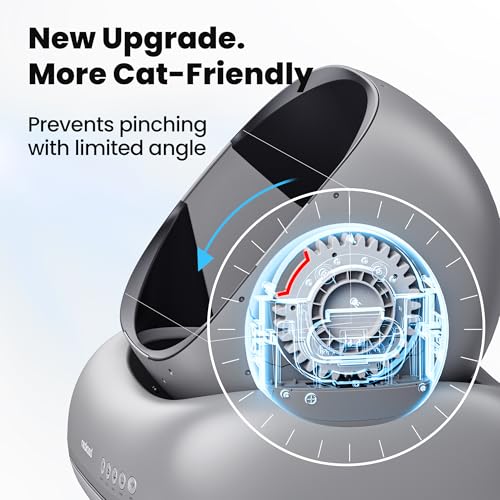
For a large cat, build quality should mean more than sturdy plastic: check the stated weight limit, the real interior dimensions, the stability of the base when a heavy cat steps in, and whether safety sensors detect a larger cat reliably throughout the chamber. Avoid flimsy doors, narrow pivots, or lightweight units that shift when a big cat climbs in, and look for motors and waste mechanisms described as dependable under heavy or multi-cat use. Owner sentiment is generally positive here, with buyers praising sturdy-feeling construction, smooth waste removal, few malfunctions, and large-capacity designs that can handle several days of use between emptying.
Value
A litter box is something you and your cat use every day, so value for money depends on more than the upfront cost. Look for durable materials, easy cleaning, good odor control, and a design your cat will actually use, because a cheap box that cracks, traps waste, or gets rejected can cost more in hassle and replacements. Be cautious of paying extra for features that do not make maintenance easier or improve your cat’s comfort.
Value for large-cat households depends first on fit and waste capacity: a cheaper automatic box is poor value if your cat cannot turn around, triggers sensors incorrectly, or creates edge misses that you still have to clean. Before buying, check consumable costs such as liners, trays, filters, and compatible litter, plus return policies, replacement parts, and whether the waste bin is large enough for your cat’s output. Owners often feel these boxes justify their cost when they genuinely replace daily scooping, offer quiet operation, safety sensors, app support, included liners or deodorizing features, and a build that feels comparable to more expensive automatic models.
Odor
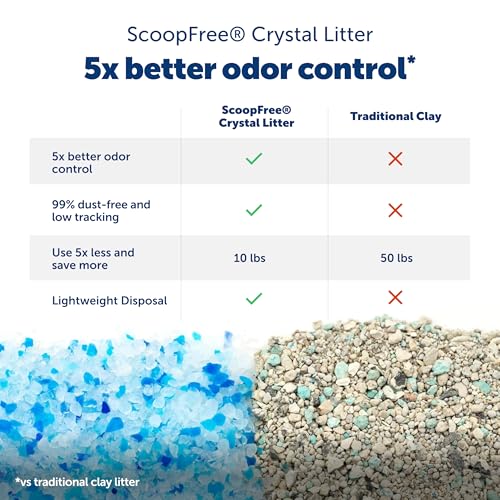
Good odor control matters because even a well-kept litter box can affect the comfort of your home, especially in small spaces or multi-cat households. Look for designs that help contain smells without making cleaning harder, such as effective lids, ventilation, or compatible filters, and watch out for boxes that trap odors inside or rely on strong scents that may bother your cat.
For large cats, odor control needs enough sealed waste capacity for bigger clumps and stools, not just a small deodorizer. Look for a tight waste drawer seal, carbon or replaceable filters, a cleaning cycle that removes waste promptly without scaring the cat, and easy emptying before odor builds up; avoid relying on fragrance alone, especially in small rooms. Owner feedback is strongly positive on odor when the system is emptied regularly and paired with the right litter, with many buyers reporting far less litter-box smell, fresher rooms, quieter operation, and better odor control than a traditional box.
1,000,000+ shoppers use Buyer's Guide every week to find the best products and services online.

Helping millions of users make smarter purchases online.


