











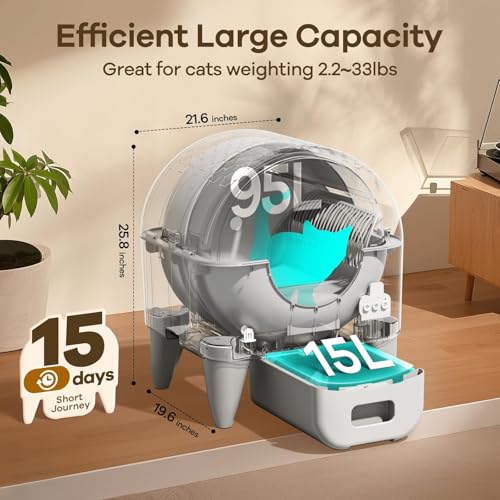


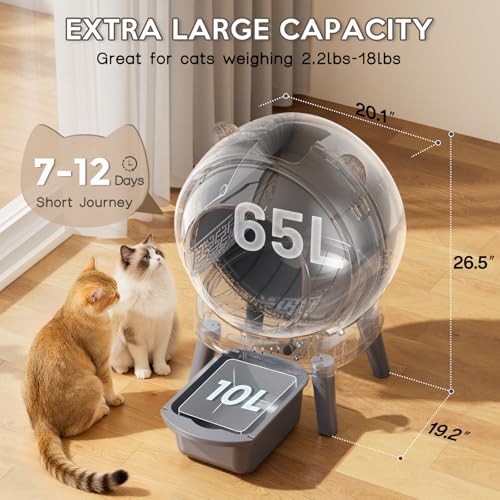


We also considered 10 others:


Our Top Choice
Compare Features


The order above is not editorial opinion, and it is not paid placement. It comes from what shoppers across our network actually do - which automatic litter box cleaners they compare, and which they ultimately buy. We re-rank as new data comes in, so the long-term favorites have to keep earning their spot against new entrants. The full method, including how we make money.
Automatic Litter Box Cleaners Buyer's Guide
Automatic litter boxes trade daily scooping for a machine that must fit your cat’s body, bathroom posture, litter type, and tolerance for noise or movement. The biggest niche-specific risks are not just convenience but wet-clump smearing, missed urine from cats that face outward or pee high, sensor safety, and whether the waste system can handle your household between emptying cycles.
Containment
You want a litter box that keeps scattered litter, spray, and tracked waste contained so your floors stay cleaner and daily upkeep is easier. Look for features like higher sides, a well-sized entry, covered or top-entry designs, and smooth interior surfaces that limit leaks and sticking, but make sure the setup still gives your cat enough room and easy access.
Prioritize the geometry before the automation: check the usable interior space, entrance height, waste-port position, and whether your cat can turn around fully rather than being forced to face the opening. For large cats, high pee-ers, cats that dig aggressively, or cats that perch at the edge, look for high side walls, a roomy chamber, a lip or step that catches scatter, and surfaces that can be wiped when wet clumps smear; avoid tight openings or low-front designs if your cat often urinates toward the entrance. Owner reports support this caution: containment varies by cat, with some larger cats fitting well while others miss the bin or track litter, and wet urine clumps can stick, streak, or need manual loosening.
Use
You’ll interact with a litter box every day, so easy setup, simple assembly, and reliable functionality can make the difference between a box you tolerate and one that fits smoothly into your routine. Look for designs that are intuitive to put together, easy for your cat to enter and use, and convenient for scooping or cleaning; watch out for awkward lids, flimsy parts, tight openings, or mechanisms that add hassle instead of reducing it.
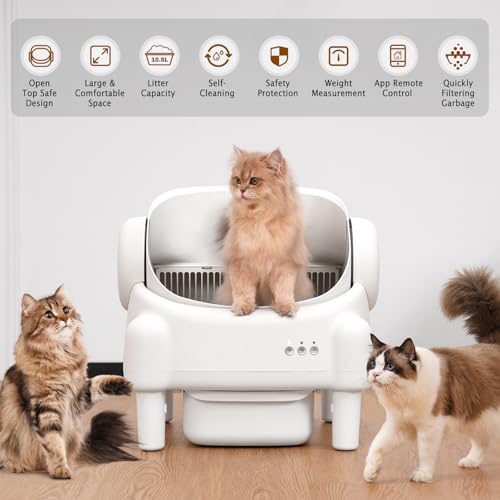
Choose a model around your household’s real routine: verify cat weight and size limits, kitten safety recommendations, sensor coverage, cycle delay after use, waste-bin capacity, and whether it works without the app if Wi-Fi drops. Multi-cat homes should look for a larger waste drawer, reliable usage tracking, and easy controls for manual clean cycles; nervous cats may need quiet operation and a gradual acclimation mode. Owner sentiment is strongly positive when these basics line up, with many buyers saying automatic cleaning replaces daily scooping, setup is straightforward, tray swaps or emptying are quick, and app features such as usage history or weight tracking are useful.
Cleaning
Cleaning matters because a litter box that’s hard to scoop, empty, or wash can quickly lead to odors, buildup, and skipped maintenance. Look for smooth interior surfaces, minimal seams or tight corners, and parts that are easy to remove and rinse; watch out for bulky shapes, textured plastic, or complicated components that can trap waste and make regular cleaning harder.
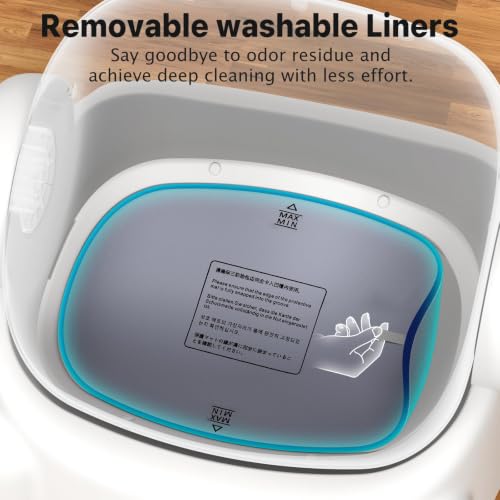
Inspect how the dirty parts come apart, not just how often the box self-cleans: the rake, globe, sifting grate, waste chute, liner, and drawer should be reachable without tools and should not have narrow crevices where damp litter can cake. Match the machine to the correct litter or tray system, because overly wet clumps, wrong granule size, or slow-clumping litter can turn automation into smearing; a good choice makes full cleanouts simple and leaves only periodic drawer, tray, or liner changes. Owners generally praise easy tray changes, reduced scooping, consistent automatic cleaning, odor help, and straightforward maintenance, but the best experiences depend on proper litter and regular emptying.
Build
A well-built litter box holds its shape, resists cracking, and stands up to daily scooping, washing, and your cat’s digging or jumping in and out. Look for sturdy, non-brittle materials, stable construction, and smooth surfaces that won’t trap waste or odors; watch out for flimsy plastic, weak seams, loose lids, or parts that flex easily under pressure.
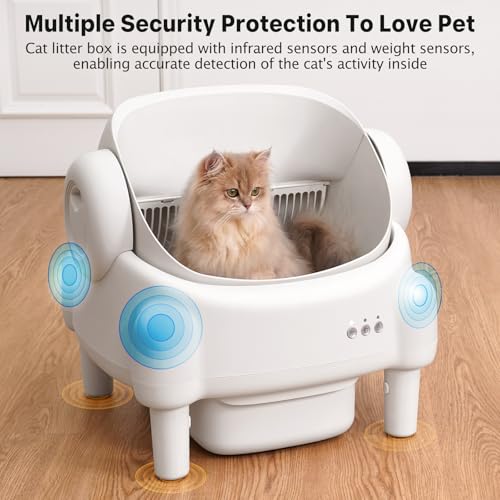
For this category, build quality is also a safety and reliability issue: look for redundant cat-detection sensors, anti-pinch protection, stable footing, a motor that stops when obstructed, and a design that cannot trap a cat during a cycle. Check the maximum cat size, entry stability for seniors, waste-bin capacity for multi-cat use, and whether high-wear parts such as liners, filters, bags, trays, or rakes are replaceable; avoid flimsy lids, wobbly drums, and designs that require forcing parts back together after cleaning. Owner feedback is favorable when the unit feels sturdy, removes waste smoothly, has few malfunctions, and can handle heavy use for several days between emptying.
Odor
Good odor control matters because even a well-kept litter box can affect the comfort of your home, especially in small spaces or multi-cat households. Look for designs that help contain smells without making cleaning harder, such as effective lids, ventilation, or compatible filters, and watch out for boxes that trap odors inside or rely on strong scents that may bother your cat.
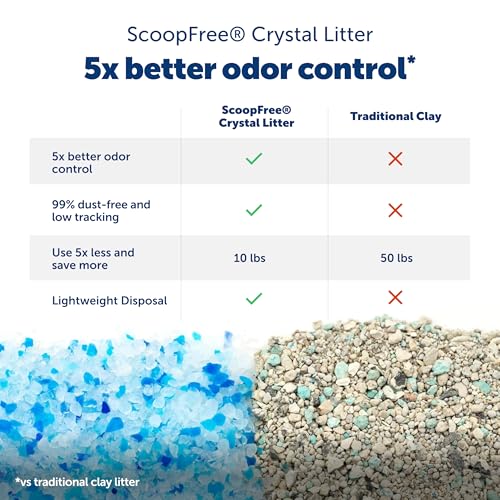
Odor control depends on sealing waste quickly, not just adding fragrance: look for a covered waste drawer, tight bag or tray closure, carbon filtration, controlled ventilation, and a cleaning delay short enough to remove feces without interrupting clump formation. Be cautious with strong perfumes or aggressive deodorizing systems if your cat has respiratory sensitivities, and remember that no automatic box will stay fresh if the drawer is undersized for your number of cats. Owners frequently describe much less litter-box smell than with traditional boxes, especially when the self-cleaning cycle is paired with proper litter, deodorizing options, quiet operation, and regular emptying.
Value
A litter box is something you and your cat use every day, so value for money depends on more than the upfront cost. Look for durable materials, easy cleaning, good odor control, and a design your cat will actually use, because a cheap box that cracks, traps waste, or gets rejected can cost more in hassle and replacements. Be cautious of paying extra for features that do not make maintenance easier or improve your cat’s comfort.
Judge value by total ownership burden: required trays, bags, filters, deodorizer cartridges, compatible litter, replacement liners, warranty support, sensor reliability, and how often you will still need to wipe stuck clumps or deep-clean the chamber. A cheaper-seeming unit can be a poor buy if it needs proprietary consumables constantly, lacks safe sensors, or cannot handle your cat’s size or multi-cat volume; a more capable unit can be worthwhile if it truly reduces daily scooping and monitoring. Owner sentiment supports the upgrade when automation, build quality, quiet operation, safety features, app reminders, large waste capacity, and easier maintenance make the ongoing expense feel justified.
1,000,000+ shoppers use Buyer's Guide every week to find the best products and services online.

Helping millions of users make smarter purchases online.


