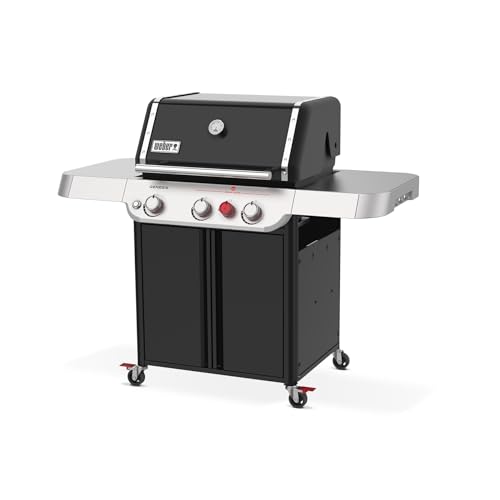





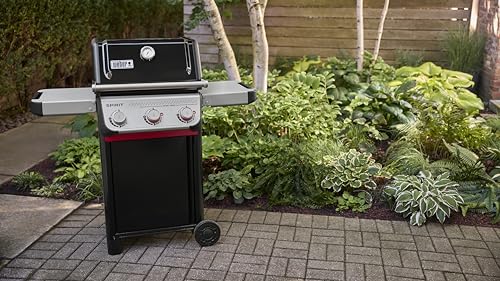


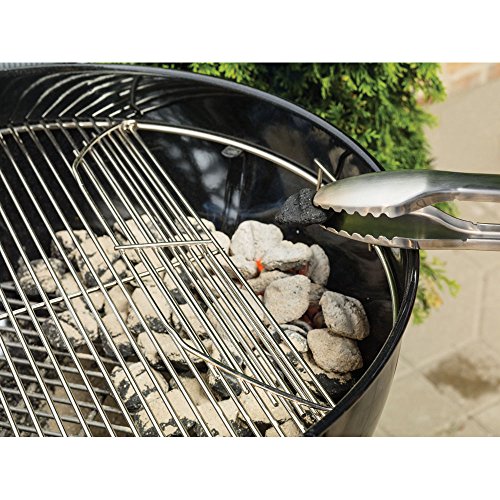


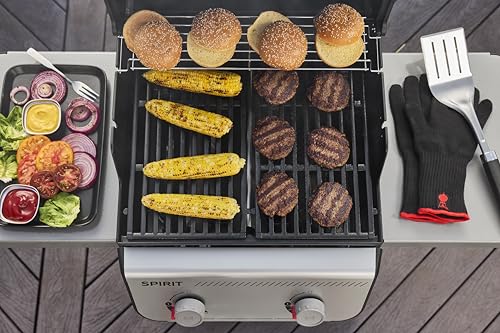


We also considered 10 others:


Our Top Choice
Compare Features


The order above is not editorial opinion, and it is not paid placement. It comes from what shoppers across our network actually do - which weber grills they compare, and which they ultimately buy. We re-rank as new data comes in, so the long-term favorites have to keep earning their spot against new entrants. The full method, including how we make money.
Weber Grills Buyer's Guide
This category is all about choosing between charcoal control and gas convenience without ending up with the wrong footprint, fuel system, or cleanup burden. The sharpest checks are heat-zone control, ash or grease management, and whether the grill’s size fits your patio, storage, and actual cooking volume.
Build
A grill’s build quality determines how well it holds up to heat, weather, movement, and repeated use outdoors. Look for sturdy construction, stable legs or cart design, durable grates and firebox materials, tight-fitting parts, and a finish that resists rust and peeling. Watch out for thin metal, wobbly frames, flimsy handles, or components that feel loose, since those can signal weaker long-term durability.
Choose the construction around the fuel style and where it will live: a charcoal kettle should have a rigid bowl/lid, smooth enamel or coated finish with no chips, tight-fitting dampers, a stable tripod or cart, and a secure ash system; a gas cart should have a solid firebox, sturdy lid hinges, stable wheels, accessible burner hardware, and corrosion-resistant grates and heat shields. Avoid flimsy carts, loose lid fit, thin exposed metal in rust-prone storage areas, or proprietary-looking small parts that seem hard to replace. Owner feedback supports prioritizing sturdy construction: buyers repeatedly describe classic kettle-style charcoal builds and smaller gas carts as dependable, well made, substantial, and reliable, with useful built-in details such as ash catchers, lid thermometers, dampers, hooks, and grates.
Cooking
How well a grill cooks determines whether you can get strong sear marks, even browning, and reliable doneness without constant babysitting. Look for steady heat, enough power for high-temperature searing, good control at lower temperatures, and grates or heat distribution that minimize hot spots and flare-ups. A grill that struggles here may cook slowly, burn the outside before the inside is done, or make it hard to handle common tasks like burgers, vegetables, chicken, and steaks.
Match the cooking system to how you actually grill: charcoal kettles are best when you want two-zone cooking, indirect roasting, smoke control, and the ability to move coals; gas models are better when you want quick weeknight starts, repeatable burner settings, and fast recovery for burgers, chicken, steaks, and vegetables. For charcoal, look for responsive top and bottom vents, enough grate space for an indirect zone, and grate access for adding fuel; for gas, look for burner spacing that creates usable heat zones rather than one narrow hot strip. Owner sentiment backs these distinctions: charcoal users praise strong airflow, temperature control, and flexible indirect-heat setups, while gas users highlight quick starts, reliable cooking, strong heat, and good results on common staples.
Assembly
A grill that is difficult to assemble can delay your first cookout and increase the chance of loose parts, poor alignment, or setup mistakes that affect safety and performance. Look for clear instructions, well-labeled hardware, manageable part sizes, and reviews that mention how long assembly takes or whether a second person is needed. Be cautious of grills with vague manuals, many similar-looking fasteners, or complaints about parts arriving bent or misaligned.
Before buying, check whether the grill arrives as a simple kettle, tabletop unit, or full cart, because assembly risk changes: cart-style gas grills need careful burner, manifold, shelf, wheel, and grease-system alignment, while kettles need correct leg, ash-sweep, grate, and lid-handle installation. For gas models, confirm the fuel type before assembly and plan to leak-test all connections; for coated charcoal parts, avoid overtightening hardware that can chip the finish. Owner reports are encouraging here, with assembly commonly described as straightforward, quick, organized, and manageable even for first-time grill owners or people assembling solo, with well-fitting parts and clear labeling noted in several cases.
Cleaning
A grill that’s easy to clean saves you time after cooking and helps prevent flare-ups, stuck-on residue, and lingering odors from old grease. Look for grates that release food easily, removable grease trays or ash catchers, and accessible interior surfaces; watch out for designs with tight corners, awkward drip paths, or parts that are difficult to remove and scrub.
Prioritize ash and grease handling before aesthetics: charcoal buyers should look for a one-touch ash sweep and enclosed removable catcher, especially on windy patios, while gas buyers should check that the grease tray pulls out easily and that heat plates, grates, and collection pans can be removed without disassembling the grill. Avoid designs where ash falls onto the ground, grease runs into hidden channels, or the cooking box has tight corners that trap debris. Owner feedback supports making this a deciding factor: users praise easy ash systems, bottom catchers, wipeable stainless surfaces, oil-tray designs, and removable grease or ash components that make post-cook maintenance faster.
Heat
Heat affects how well your grill can sear, cook evenly, and hold steady temperatures for low-and-slow cooking. Look for strong temperature control, consistent heat distribution across the grate, and enough heating performance for the way you cook; watch out for grills with obvious hot spots, weak recovery after opening the lid, or controls that make small adjustments difficult.
Do not shop by heat claims alone; inspect the heat-control hardware. A charcoal kettle needs accurate lower and upper dampers, a lid that seats well, enough grate clearance for indirect cooking, and a layout that lets you bank coals; a gas grill needs burners and heat tents that spread heat across the grate, not just a high-output center strip. If searing matters, look for fast preheat and heat recovery after opening the lid; if ribs or longer cooks matter, prioritize stable low-to-medium control over maximum heat. Owner sentiment aligns with these checks: buyers report standout temperature control from vents, quick preheating, even cooking across the grates, fast recovery after lid openings, and fewer obvious hot or cold spots.
Size
Choose a grill that fits both how you cook and where you’ll keep it: the overall footprint affects patio space, storage, and how easily you can move it. Look for enough cooking area for your usual group size, but watch out for oversized grills that are harder to maneuver, store, clean, and use efficiently.
Size the grill by usable cooking zones, not just overall footprint. A 22-inch kettle can handle family meals and larger batches while still remaining patio-friendly, but you need room around it for lid handling, hot-zone/cool-zone setup, ash removal, and safe clearance from railings or walls; two-burner gas models suit smaller households and patios, while compact three-burner layouts give more zone flexibility without becoming oversized. For portable use, check lid locks, carry stability, tabletop height, and fuel-canister handling, and confirm whether charcoal or gas is allowed where you plan to use it. Owner feedback supports these tradeoffs: compact tabletop and locking-lid designs are appreciated for patios, camping, beach trips, and tailgating, while 22-inch and compact multi-burner formats are described as roomy enough for everyday family cooking and larger batches.
1,000,000+ shoppers use Buyer's Guide every week to find the best products and services online.

Helping millions of users make smarter purchases online.