




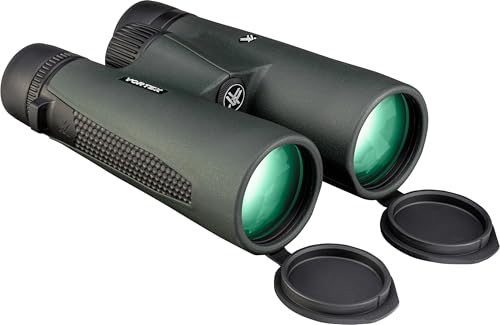


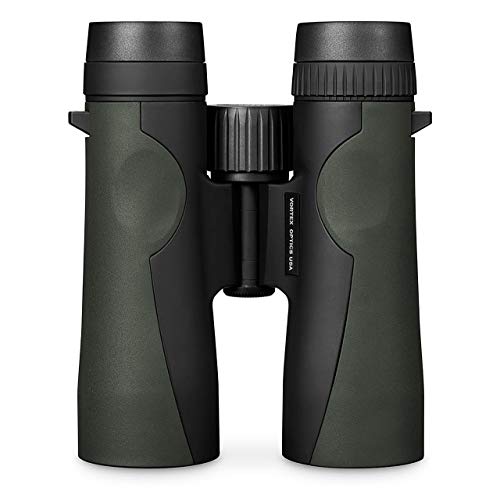
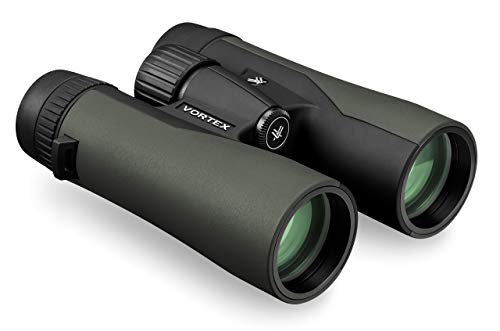
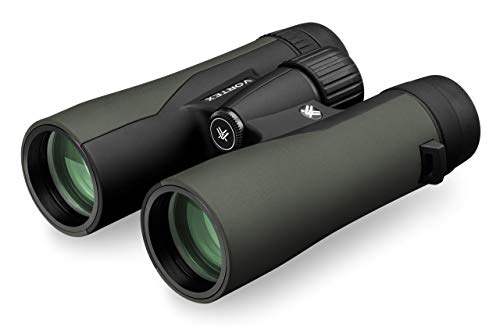


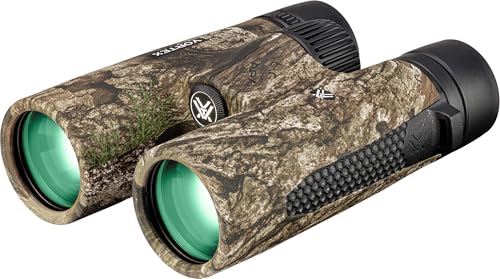


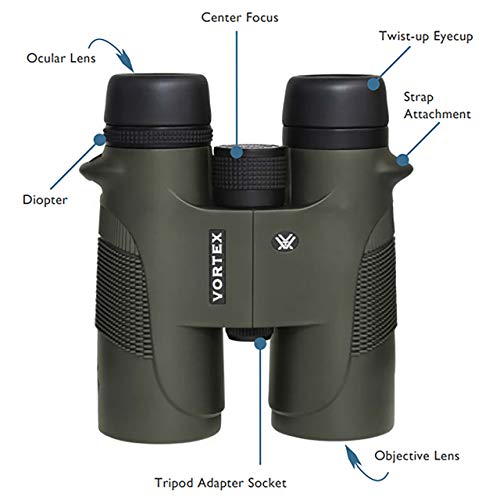


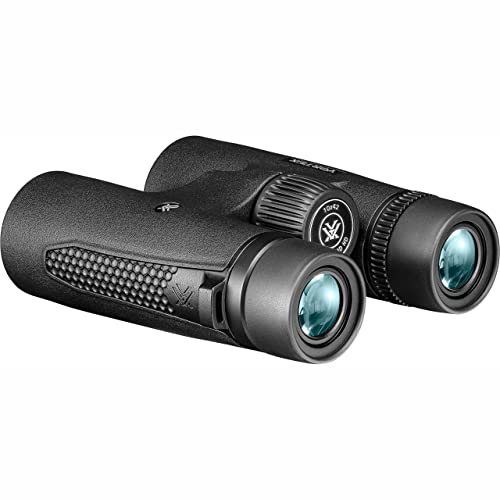


We also considered 10 others:


Our Top Choice
Compare Features


The order above is not editorial opinion, and it is not paid placement. It comes from what shoppers across our network actually do - which vortex binoculars they compare, and which they ultimately buy. We re-rank as new data comes in, so the long-term favorites have to keep earning their spot against new entrants. The full method, including how we make money.
Vortex Binoculars Buyer's Guide
Buying in this category is a tradeoff between rugged, field-ready glass and the temptation to chase more magnification or accessories than you can comfortably use. The sharpest concerns are whether the binocular stays bright, sealed, aligned, and easy to hold steady in real outdoor conditions—and whether its field of view lets you find moving wildlife before it disappears.
Quality
You want binoculars that feel solid, operate smoothly, and hold up to regular handling, because poor build quality can mean loose hinges, misaligned optics, sticky focus wheels, or parts that wear out quickly. Look for a durable, well-finished body with secure eyecups, a steady hinge, clean lens coatings, and controls that move precisely without wobble or grit. Also consider how dependable the binoculars feel in your hands, since good quality should support clear performance without making the device seem fragile or cheaply assembled.
Prioritize a binocular that is sealed, nitrogen- or argon-purged, rubber-armored, and backed by a strong repair/replacement policy, because this niche is often used in rain, dust, cold mornings, hunting packs, and birding blinds where hinge looseness, focus-wheel slop, fogging, or knocked-out collimation can ruin the view. Check that the diopter locks or at least holds position, the eyecups click firmly without wobble, and the hinge tension is stiff enough to stay set with one hand. Owner feedback supports this focus on real field durability: buyers often describe these binoculars as crisp, clear, solid-feeling, easy to operate, and better built than expected, with strong performance for wildlife and casual outdoor use.
Optics
Optics determine how sharp, bright, and natural the view looks, especially at distance or in dim conditions. Look for clear edge-to-edge image quality, good brightness and contrast, and magnification you can hold steady; high power can seem appealing but may make the image shakier or darker without enough objective lens size or stabilization.
For this category, look beyond headline magnification and verify fully multi-coated lenses, phase-corrected roof prisms, good edge sharpness, minimal chromatic fringing on bright branches or antlers, and enough brightness for dawn and dusk use. A wide, flat field matters if you track birds or scan timber, while long eye relief is essential if you wear glasses; also test focus smoothness from close range to distance so you are not hunting for focus while an animal moves. Owners repeatedly support these priorities by praising bright, sharp, clear views, smooth focusing, useful low-light performance, and enough detail for birding, wildlife, and long-distance viewing.
Portability
Portability matters because binoculars that feel fine for a minute can become tiring around your neck or in your pack over a long walk, hike, trip, or day of sightseeing. Look for a weight and compact size you’ll actually carry regularly, but watch out for going so small that you sacrifice comfortable grip, steady viewing, or the features you need.
Choose the size around how you will actually carry it: 8x32 or compact formats are easier for travel and day hikes, while 8x42 or 10x42 is the common field sweet spot for steadier viewing and more light without becoming a burden. Be cautious with large-objective or high-power models unless you accept neck fatigue, pack bulk, and possible tripod use; also check whether the neck strap, harness compatibility, lens covers, and case are practical rather than afterthoughts. Owner sentiment lines up with this: many buyers say the weight, grip, size, and included carry setup feel manageable for hiking, hunting, travel, safaris, birdwatching, and longer outdoor sessions.
Value
Value matters because binoculars can vary widely in price, and the best choice is the one that gives you the clarity, comfort, durability, and features you’ll actually use without paying for extras you won’t notice. Look for a balance of optical quality, build, warranty, and intended use, and be cautious of very cheap pairs that sacrifice brightness, alignment, or long-term reliability.
The best value in this niche usually comes from paying for optical coatings, prism quality, waterproofing, warranty support, and a stable focus mechanism rather than extra accessories or inflated magnification claims. Compare models by usable field performance—brightness at dusk, edge clarity, eye relief, weather sealing, and build consistency—because cheap binoculars can look fine briefly but fail through fogging, loose eyecups, misalignment, or dim views when light drops. Owners commonly reinforce that the category delivers strong price-to-performance, with many describing the build, clarity, dependable feel, and overall optical quality as exceeding expectations.
Versatility
You’ll get more value from binoculars that fit the way you actually use them, whether that’s bird watching, hiking, travel, sports, stargazing, or handing them to kids for casual outdoor fun. Look for a balance of magnification, field of view, weight, durability, and ease of focus, because a pair that is too powerful, heavy, or fiddly can be frustrating for beginners or mixed-use households. If they’re meant as a gift, prioritize comfortable handling and broad outdoor suitability over highly specialized features.
If you want one pair for birding, wildlife, hiking, hunting, backyard viewing, and travel, favor an 8x42-style balance: wide field of view, forgiving hand shake, good brightness, and fast target acquisition. For mostly open-country glassing, 10x can help, but for dense woods, moving birds, kids, or beginners, steadiness and field of view usually matter more than extra reach; waterproofing is also important if the binocular may see rain, snow, or boat use. Owner reports support this broad-use guidance, with buyers saying these binoculars work especially well for bird watching, backyard wildlife, travel, hiking, hunting seasons in poor weather, and following moving birds through a wide, clear view.
Magnification
Magnification determines how close distant subjects appear, but more zoom is not always better because higher power can make the image shakier, dimmer, and harder to track. Look for a balance between range and field of view: lower to moderate magnification usually feels steadier and wider for birds, sports, or hiking, while higher magnification can help for distant wildlife or open landscapes if you can keep it stable.
Be skeptical of very high magnification claims for handheld use: above 10x, shake increases, field of view narrows, close focus often suffers, and brightness can drop unless the optics and objective size compensate. For most birding and all-day field use, 8x gives steadier scanning and a wider view; 10x adds reach for open spaces; 12x and higher should generally be reserved for supported viewing or very specific long-distance needs. Owner feedback reflects this tradeoff: buyers praise wide, stable, bright views that make scanning natural, but reactions to very high claimed magnification are mixed, with some finding the reach impressive and others feeling the advertised power does not match real-world expectations.
1,000,000+ shoppers use Buyer's Guide every week to find the best products and services online.

Helping millions of users make smarter purchases online.


