





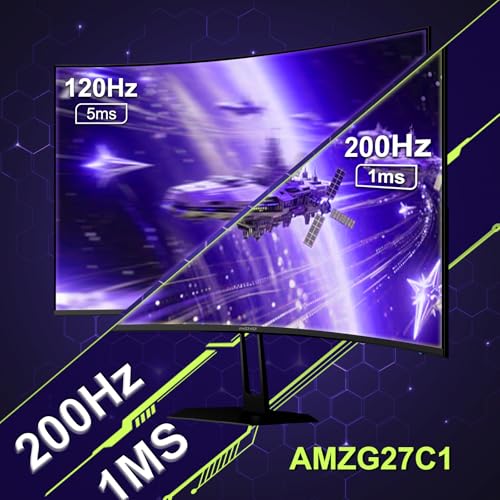


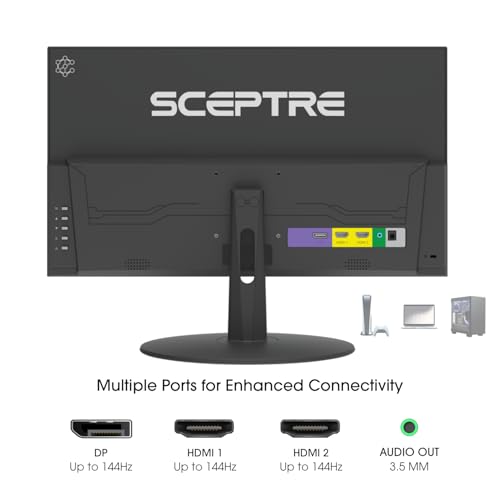


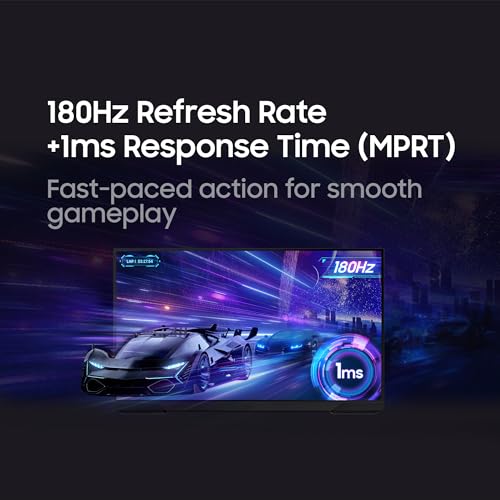


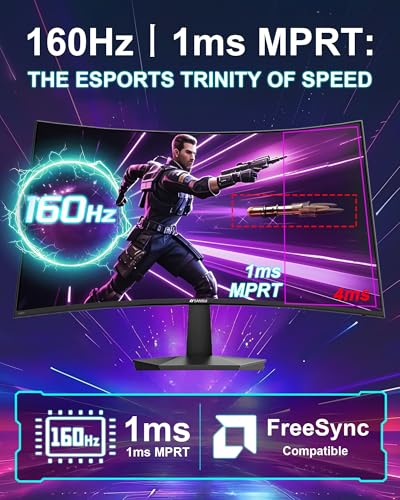

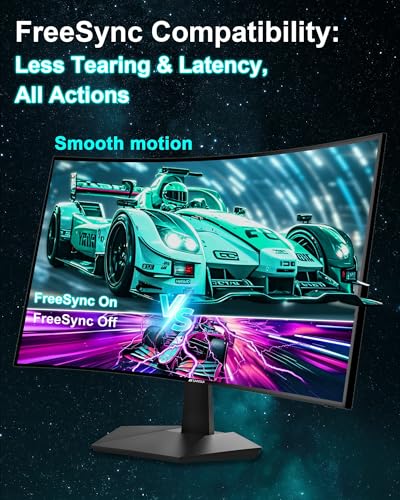


We also considered 10 others:


Our Top Choice
Compare Features


The order above is not editorial opinion, and it is not paid placement. It comes from what shoppers across our network actually do - which ps5 monitors they compare, and which they ultimately buy. We re-rank as new data comes in, so the long-term favorites have to keep earning their spot against new entrants. The full method, including how we make money.
PS5 Monitors Buyer's Guide
For a PS5 monitor, the key tradeoff is not just “sharp versus fast” but whether the screen can actually accept the console’s best signals: 4K at 120Hz, 1440p at 120Hz, VRR, and usable HDR over HDMI. The biggest traps are paying for PC-only specs the PS5 cannot use, such as DisplayPort-focused refresh rates or ultrawide formats, and assuming any high-refresh monitor will automatically deliver 120Hz and VRR from the console.
Build
Build quality matters because your monitor is something you’ll adjust, plug into, and rely on every day, so weak construction can lead to wobble, loose ports, creaking plastics, or early failures. Look for a stable stand, solid hinge and height-adjustment mechanisms if included, well-fitted panels, dependable buttons or controls, and ports that feel secure when cables are connected. A monitor that feels sturdy and consistent out of the box is more likely to stay reliable over years of use.
Prioritize a rigid stand, VESA mounting, and accessible HDMI ports because PS5 setups often use thicker Ultra High Speed HDMI cables, frequent console swapping, or wall/desk-arm mounting near a TV-style gaming area. If you are considering a portable monitor for PS5 travel, check that it has its own reliable power option and a protective cover/stand; many portable screens cannot be powered dependably from the console alone while also running bright. Owner feedback supports the idea that build quality varies by use case: buyers often like solid desktop monitors that feel like clear upgrades, while portable models are praised when they are slim, protected, and dependable as travel-friendly second screens.
Display
Your monitor’s display quality determines how sharp text looks, how accurate and vivid colors appear, and whether the screen stays clear in bright rooms or during fast motion. Look for a resolution and pixel density that suit your screen size, enough brightness for your workspace, good color coverage and accuracy if you edit photos or video, and low motion blur or ghosting if you game or watch fast-moving content. Also watch for uneven backlighting, poor viewing angles, and distracting artifacts that can make daily use more tiring.
Match the panel to the PS5 signal you will actually use: choose 4K for maximum detail in cinematic games, or 1440p/120Hz for a strong balance of sharpness and speed; avoid ultrawide if you expect full-screen PS5 support, because the console outputs 16:9 and will usually show black bars or stretching on wider panels. For HDR, look beyond the badge—basic HDR support without high brightness, strong contrast, or local dimming often looks no better than SDR, and sometimes worse. Owner sentiment reinforces that sharp 1080p, crisp QHD, vivid color, and clear WQHD pictures are widely appreciated, but for PS5 the important step is confirming the monitor’s resolution, aspect ratio, HDMI support, and HDR capability fit the console rather than just looking good on paper.
Value
You want a monitor that gives you the right mix of image quality, size, refresh rate, ergonomics, and connectivity for what you actually do, without paying for features you won’t use. Look for strong core performance at a fair price, and watch out for cheap models that cut corners on panel quality, adjustability, or ports, as well as expensive ones whose extras don’t improve your everyday experience.
The best value for a PS5 buyer is usually a monitor that spends its budget on HDMI compatibility, 120Hz support, low input lag, and good image quality—not on 180Hz, 240Hz, DisplayPort-only features, ultrawide resolution, or productivity extras the console will not use. A cheaper 1440p/120Hz-capable display can be smarter than a flashy high-refresh model if the latter cannot do the right modes over HDMI. Owner feedback consistently points to strong price-to-performance satisfaction, especially for budget-friendly gaming and extra-screen monitors, but PS5 shoppers should judge value by console-usable features rather than headline specs.
Performance
Performance matters because it affects how smooth motion looks, how quickly the display responds to your inputs, and whether the monitor feels comfortable for gaming, creative work, or everyday multitasking. Look for a refresh rate and response behavior that match how you’ll use it: faster specs help with games and fast-moving content, while stable, responsive performance is still important for work. Watch out for monitors that advertise high numbers but have poor motion handling, input lag, or trade-offs in image quality at their fastest settings.
For PS5 performance, verify that 120Hz works over HDMI at your target resolution and that VRR is specifically compatible with HDMI VRR, not only advertised as adaptive sync for PC. Check response-time behavior at both 60Hz and 120Hz, because many monitors look fast at maximum refresh but smear, overshoot, or feel laggier in 60fps console games. Owner reports often praise high refresh rates, smooth motion, responsive gaming, and little ghosting, which is encouraging; still, the PS5-specific failure mode is a monitor that feels great on a PC but falls back to 60Hz, loses VRR, or needs compromises when connected to the console.
Setup
You’ll feel a monitor’s setup quality before you ever judge the picture: a stable stand, straightforward assembly, flexible height/tilt adjustments, and clearly labeled ports can make daily use much easier. Look for simple on-screen controls, cable management, and compatibility with your desk, laptop, or mounting arm; watch out for bulky stands, awkward menus, or limited adjustment that can leave the screen uncomfortable to use.
Before buying, confirm the exact HDMI version and bandwidth, then plan to use a certified Ultra High Speed HDMI cable for 4K/120Hz and to enable 120Hz, VRR, and HDR in the PS5 video settings. If you choose a USB-C portable display, make sure it includes HDMI input and separate power, because the PS5 does not output video over USB-C like many laptops do. Owner sentiment says setup is often plug-and-play with included HDMI/USB-C options and easy assembly, but for PS5 the real setup test is whether the console’s video-information screen confirms the modes you expected.
Design
You’ll see your monitor every day, so its appearance and slim design matter not just for style but for how comfortably it fits your desk and workspace. Look for clean cable management, stable stand design, and bezels that suit single- or multi-monitor setups; if you’re considering a curve, make sure it matches your viewing distance and screen size rather than choosing it for looks alone.
Choose a 16:9 design unless you also need the monitor for PC work, because curves and ultrawide formats can look immersive on a desk but do not make PS5 games wider. Stand adjustability matters more than many shoppers expect: height, tilt, and swivel help align the screen for couch-distance or desk-distance play, and a headphone jack or usable speakers may matter because PS5 audio commonly travels through HDMI. Owners often like curved, sleek, compact, and adjustable designs that improve a desk setup, but the PS5-specific priority is a layout that fits console viewing distance, keeps the image correctly proportioned, and gives easy access to HDMI and audio controls.
1,000,000+ shoppers use Buyer's Guide every week to find the best products and services online.

Helping millions of users make smarter purchases online.


