









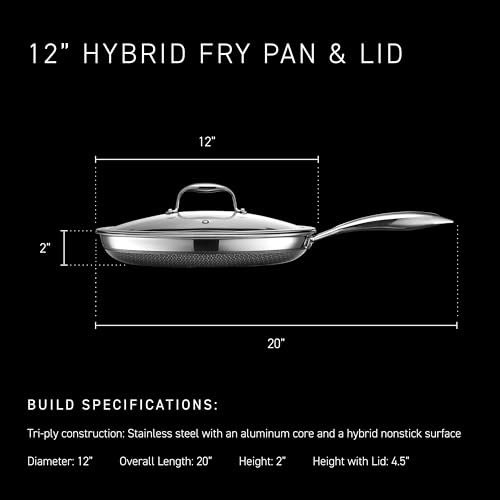
We also considered 10 others:

.png)


Our Top Choice
Compare Features


The order above is not editorial opinion, and it is not paid placement. It comes from what shoppers across our network actually do - which hexclad frying pans they compare, and which they ultimately buy. We re-rank as new data comes in, so the long-term favorites have to keep earning their spot against new entrants. The full method, including how we make money.
Hexclad Frying Pans Buyer's Guide
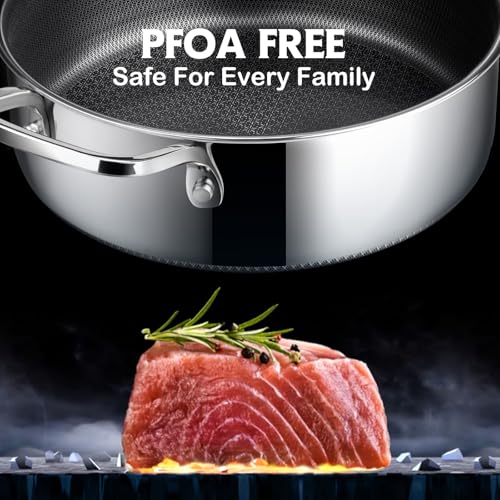
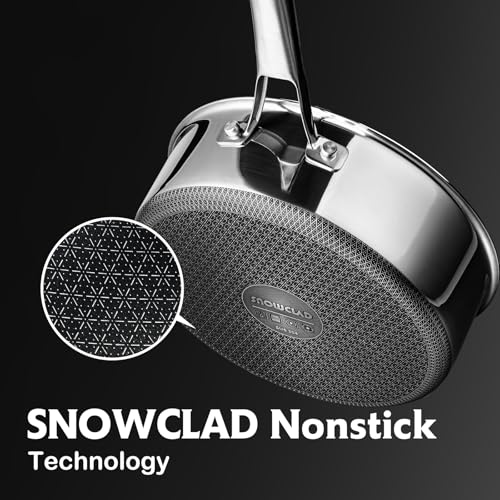
Hybrid honeycomb frying pans trade pure nonstick slipperiness for a stainless-steel grid that can tolerate more browning and utensil contact. The sharpest checks are whether the surface releases delicate foods without over-scrubbing afterward, and whether the pan’s weight, handle attachment, and coating care limits fit how you actually cook.
Care Burden
A pan that is hard to clean is more likely to be scrubbed aggressively, which can shorten its useful life. Cleaning also depends on surface type, corner shape, rack design, rivets, dishwasher tolerance, and whether residue can soak free without damaging the finish.
For care burden, look for a pan whose raised stainless pattern does not trap egg, sauce, or browned proteins in the recessed nonstick areas; if you routinely cook sticky foods, plan on gentle soaking and a soft brush rather than expecting a single wipe every time. Avoid treating dishwasher-safe or metal-utensil claims as permission for harsh cleaning, abrasive pads, or repeated high-heat misuse, because the nonstick valleys still need careful handling. Owner feedback supports prioritizing easy-release surfaces: buyers often praise pans that wipe clean with little effort, release food with little oil, and feel more durable than cheaper nonstick options when treated carefully.
Food Release
The cooking surface determines whether delicate foods release cleanly or tear, and it also changes how much fat and scraping you need. In pans with coatings, release and lifespan depend heavily on heat level, utensils, cleaning method, and whether the coating is suited to the cooking style.
For food release, choose this style only if you want a compromise surface: better searing and scratch resistance than a fully smooth nonstick pan, but usually not the same effortless glide for eggs, fish, or pancakes unless the pan is preheated correctly and lightly oiled. Check whether the cooking surface has a fine, even honeycomb pattern, a flat base for full burner contact, and instructions that match your habits; avoid assuming dry cooking will work just because the pan is marketed as nonstick. Owner sentiment reinforces that slick nonstick performance is a major satisfaction driver, with many buyers valuing pans where food slides off easily, daily cleanup stays effortless, and less oil is needed.
Build Strength
Pans see repeated thermal shock, oil, acidic foods, utensils, oven heat, and sink handling, so weak construction shows up quickly. Sturdy walls, reinforced rims, secure handles, and stable materials help a pan remain safe, flat, and pleasant to use over time.
For build strength, inspect the parts that matter specifically on a hybrid frying pan: a thick, warp-resistant base, a flat induction-capable bottom if needed, securely riveted or welded handles, balanced weight, and a rim that will not flex when the pan is full. Be cautious of pans that feel unusually light for their size, have rough honeycomb edges, loose handles, or a base that rocks, because warping or uneven contact can undermine both searing and release. Owner reports back up the importance of sturdy construction, with buyers repeatedly praising substantial pans, dependable handles, premium-feeling builds, and scratch-resistant honeycomb surfaces that feel durable in everyday use.
1,000,000+ shoppers use Buyer's Guide every week to find the best products and services online.

Helping millions of users make smarter purchases online.


