












We also considered 10 others:
.png)


Our Top Choice
The order above is not editorial opinion, and it is not paid placement. It comes from what shoppers across our network actually do - which hexclad pans they compare, and which they ultimately buy. We re-rank as new data comes in, so the long-term favorites have to keep earning their spot against new entrants. The full method, including how we make money.
HexClad Pans Buyer's Guide
Hybrid stainless/nonstick pans are bought for a specific tradeoff: stainless-style browning and sturdy construction without giving up easy release and fast cleanup. The sharpest buying concerns are heat discipline, because these pans often work best below high heat, and long-term reliability, because sticking, warping, weight, and value concerns show up when expectations are not matched to the cookware.
Heat Control
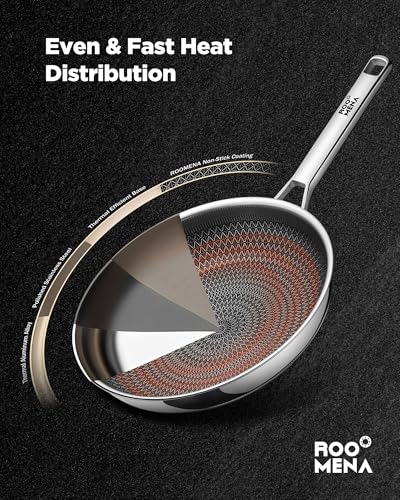
Hybrid pans do not behave exactly like bare stainless or traditional nonstick, so heat setting matters. A good pick should spread heat evenly, recover well after food is added, and brown food without requiring extreme burner settings that can shorten coating life or encourage sticking.
Look for a thick, flat base and fully clad or multi-layer construction that can hold steady heat across the center and edges. For this niche, avoid judging performance only by maximum sear: the better test is whether eggs, pancakes, sauces, and proteins cook evenly on low to medium heat, with enough heat reserve to brown when preheated properly. Owner sentiment strongly supports this dimension, with buyers praising even cooking, lower-temperature performance, breakfast cooking, induction use, and the ability to sear when needed.
Release & Cleanup
Easy release is a core reason shoppers choose this style, but it is not always effortless under every condition. Heat level, preheating, oil choice, and the textured center area can all affect whether food slides off or sticks.
Choose this type of pan if you want easier cleanup than bare stainless, but still plan to cook with moderate heat and a small amount of fat for sticky foods. Be cautious of claims that imply zero-stick behavior in all cases; hybrid surfaces can still grab eggs, pancakes, or proteins if overheated, under-oiled, or if food sits in the hotter center zone too long. Owner feedback makes cleanup one of the clearest strengths, with repeated reports of easy washing after eggs, pancakes, bacon, and other everyday foods, while also noting that non-stick performance can be conditional.
Build Life
The appeal of this category depends heavily on whether the pan keeps its shape and surface performance over time. A heavier, all-metal feel can be reassuring, but poor flatness, thin bases, or thermal shock can lead to wobbling, uneven contact, and sticking complaints.
Prioritize pans with a rigid base, secure handle attachment, smooth rim finishing, and clear care limits for heat, dishwasher use, and utensils. Avoid sudden temperature shocks, oversized burners blasting the pan edges, and repeated empty-pan overheating, because warping or coating decline can turn a premium-feeling pan into an uneven cooker. Owners often describe the construction as sturdy, heavy-duty, all-metal, high-quality, and made to last, but a minority report warping or sticking after limited use, making durability a real ranking factor rather than an assumption.
Cooktop Fit
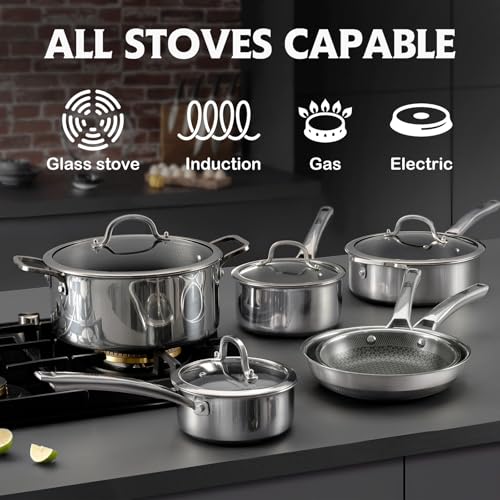
A hybrid pan only performs well if it fits the cooking surface and the tasks it is used for. Induction compatibility, flatness, burner coverage, sidewall shape, and lid fit can matter as much as the surface itself.
Match the pan format to the job: a griddle needs broad, flat contact for pancakes and bacon; a saucepan needs controlled sidewall heating and a secure lid; a skillet needs enough floor area for browning without crowding. For induction, verify magnetic compatibility and inspect for a dead-flat base, because any wobble or bowed center reduces contact and can worsen hot spots. Owner sentiment supports the importance of task fit, with strong praise for griddle use, everyday stovetop cooking, breakfast foods, and induction performance when the pan cooks evenly without high heat.
Weight & Grip
The same mass that helps a pan feel substantial can make it harder to lift, tilt, wash, or store. Handling is especially important for shoppers with wrist, shoulder, or grip limitations, or anyone who frequently moves a full pan from stove to sink.
Check the empty weight, handle shape, helper-handle availability, and whether the pan can be comfortably lifted when full of food or liquid. A heavier hybrid pan can sit solidly on the burner and feel premium, but it may be inconvenient for tossing food, pouring sauce, hand washing, or storing on high shelves. Owner sentiment reflects this tradeoff: the heavier build reinforces a durable, upgraded feel, yet may not suit shoppers who struggle with heavier cookware.
Long-Term Value
These pans are often bought as a long-term upgrade, so the right question is not just whether they work on day one. Value depends on whether the cooking performance, cleanup, durability, and handling continue to justify the commitment after regular use.
Buy for this category only if you will use the hybrid strengths often: lower-heat everyday cooking, easier cleanup, induction-ready flat cooking, and occasional searing. If you mainly want either bare-stainless high-heat abuse or ultra-slick low-cost nonstick replacement, the value case is weaker; the main failure modes to weigh are sticking that develops or warping that compromises burner contact. Owner sentiment is split but useful: many buyers feel the performance and build quality justify the splurge, while reservations center on value, durability, and a minority experience of early sticking or warping.
1,000,000+ shoppers use Buyer's Guide every week to find the best products and services online.

Helping millions of users make smarter purchases online.


