











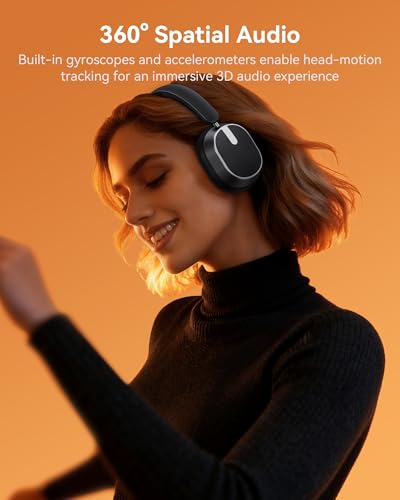


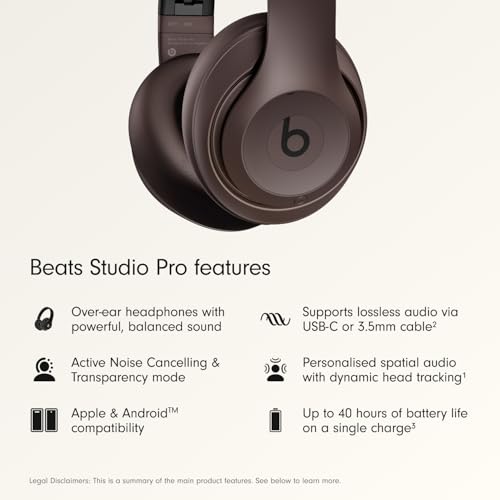





We also considered 10 others:


Our Top Choice
Compare Features


The order above is not editorial opinion, and it is not paid placement. It comes from what shoppers across our network actually do - which beats noise cancelling headphones they compare, and which they ultimately buy. We re-rank as new data comes in, so the long-term favorites have to keep earning their spot against new entrants. The full method, including how we make money.
Beats Noise Cancelling Headphones Buyer's Guide
The core tradeoff in this niche is getting energetic sound, sleek wireless convenience, and travel-ready quiet without choosing a pair whose noise cancelling only works when the seal is perfect. Pay closest attention to true ANC and transparency behavior, ecosystem compatibility, clamp and ear-cup fit, and battery life with ANC on—not just the headline listening-time claim.
Noise
Noise cancellation matters if you want to hear your audio clearly without raising the volume in places like planes, offices, gyms, or busy streets. Look for headphones that reduce steady low-frequency noise well while still sounding natural, and watch out for modes that create pressure, hiss, or noticeably change the music. If you need awareness for commuting or conversations, make sure the headphones also offer an easy-to-use transparency or ambient mode.
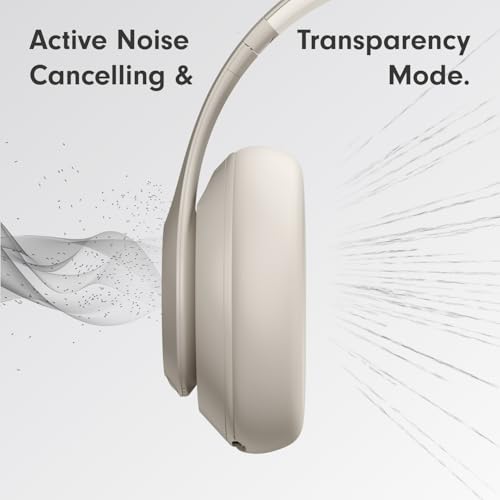
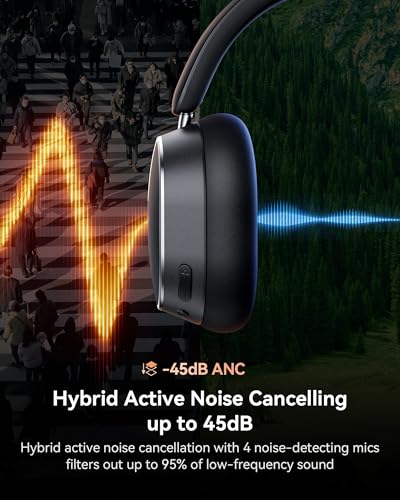
Look for real active noise cancellation with a usable transparency or awareness mode, not just a snug over-ear seal marketed as “noise reducing.” For commuting, offices, and flights, prioritize models that suppress steady low-frequency rumble and nearby voices without making you feel unsafe in streets, at work, or around announcements; also check whether ANC works in wired mode, during calls, and with wind present. Owner feedback supports making this a top filter: buyers consistently describe noise cancellation as a major strength for travel, focus, work, home use, and blocking background voices, with some warning that it can cut out enough sound that situational awareness matters.
Quality
You want headphones that feel solid, fit securely, and keep working well after daily use, not just sound good out of the box. Look for sturdy hinges and headbands, durable cables or ports, replaceable ear pads where possible, and consistent owner feedback about reliability; watch out for fragile plastics, peeling materials, loose joints, or reports of one side failing over time.
Check the physical build around the hinges, yokes, headband padding, ear-cup material, and charging port because this style is often folded, packed, worn at the gym, or tossed into bags. Avoid flimsy folding joints, peeling cushions, or designs without replaceable pads if you expect daily commuting or workouts; if sweat is part of the use case, verify an actual sweat or water-resistance rating rather than assuming a premium feel means workout durability. Owner sentiment is encouraging here: buyers often say build quality feels sturdy or more premium than expected, with praise for durability through daily use, drops, kids, sweat, and long-term handling.
Value
Value matters because you want headphones that justify what you spend through sound quality, comfort, durability, features, and everyday usability—not just a low price or a long spec sheet. Look for the mix that fits how you’ll use them, and watch out for paying extra for features you won’t notice or saving money on a pair that feels uncomfortable, fragile, or disappointing over time.
Judge value by the specific features you will actually use: effective ANC, transparency mode, stable Bluetooth, quick pairing with your phone ecosystem, app EQ or sound controls, wired or USB audio options, call quality, and a protective case. Do not pay extra for style alone if the model lacks the compatibility you need, such as reliable Android app support, device switching, or the wired listening mode you expect for flights and laptops. Owner feedback backs up the idea that strong value comes when the whole package works well: buyers praise clear bassy sound, effective noise cancellation, stable pairing, durable-feeling construction, and feature sets that feel richer than expected.
Comfort
Comfort matters because headphones that feel fine for a few minutes can become distracting or painful during long listening sessions. Look for a fit that distributes weight evenly, with ear pads or tips that don’t pinch, trap too much heat, or create pressure points. If you’ll use them while commuting, working out, or moving around, make sure they sit securely without needing constant adjustment.
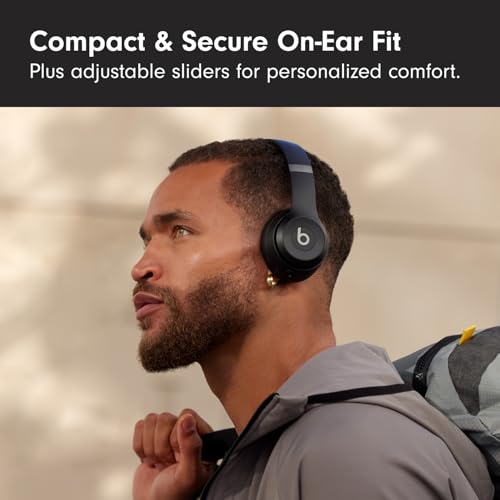
Fit is not optional in this niche because ANC, bass response, and long-session comfort all depend on the seal and clamp force. If you wear glasses, earrings, hats, thick hair, or use headphones on long flights, check for deep enough ear cups, soft replaceable cushions, adjustable headband range, and a clamp that seals without jaw or temple pressure; on-ear designs can feel smaller but may fatigue faster and leak more noise. Owner reports strongly support prioritizing comfort: many buyers praise lightweight builds, soft over-ear cushions, adjustable bands, and the ability to wear them for multi-hour sessions, flights, or full workdays without much pressure.
Sound
Sound quality determines how enjoyable and accurate your headphones feel across music, calls, movies, and games. Look for clear detail, balanced bass, mids, and treble, enough volume without distortion, and a sound profile that suits your preferences rather than one that overwhelms everything with bass.
Expect a bass-forward, energetic sound profile, but make sure it does not bury vocals, podcasts, calls, or video dialogue. Look for app-based EQ or multiple sound modes if you switch between hip-hop, workouts, calls, movies, and focused work; also check Bluetooth codec support and wired/USB audio options if latency, higher-quality listening, or laptop use matters. Owner sentiment suggests the best picks can balance fun bass with clarity: buyers repeatedly describe clear, punchy, enjoyable audio that works for music, podcasts, calls, videos, and different volume levels.
Battery
Battery life determines how long you can listen between charges, so you’ll want enough runtime for your typical commute, workday, workouts, or travel without constant interruptions. Look at both playback time and charging convenience, including how quickly they top up, whether the case adds extra charges for wireless earbuds, and whether performance drops noticeably when features like noise cancellation are turned on.
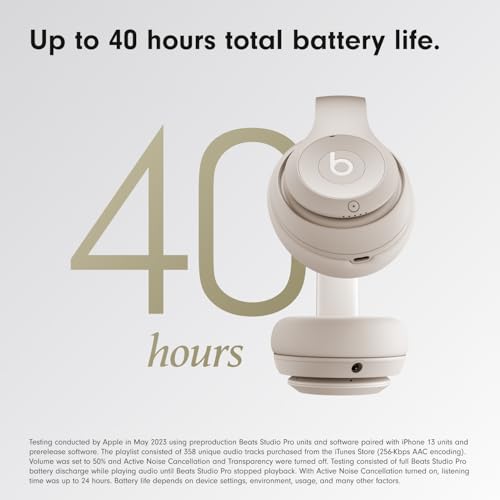
Compare battery life with ANC on, transparency mode use, and call time—not only the maximum playback number with features off. For travel or all-day work, look for enough real-world runtime to cover a long flight or workday, plus fast charging, USB-C convenience, and the ability to keep listening while plugged in if the battery dies; also check whether ANC drains faster at high volume or in noisy environments. Owner feedback makes battery a major positive when chosen well: buyers often report days of regular listening, full work sessions, long flights, quick pairing, and not needing to charge constantly.
1,000,000+ shoppers use Buyer's Guide every week to find the best products and services online.

Helping millions of users make smarter purchases online.


