




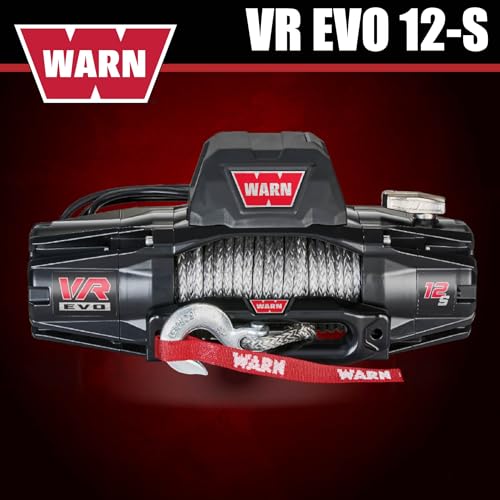







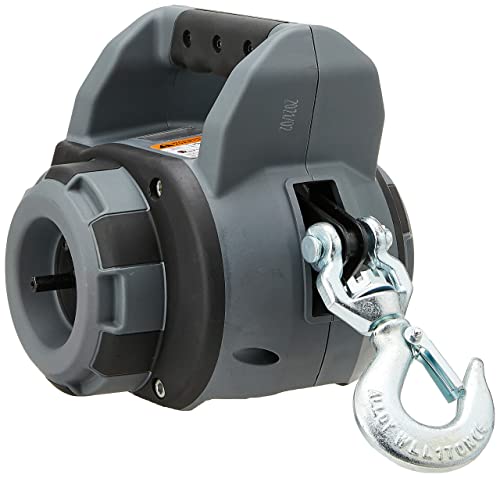


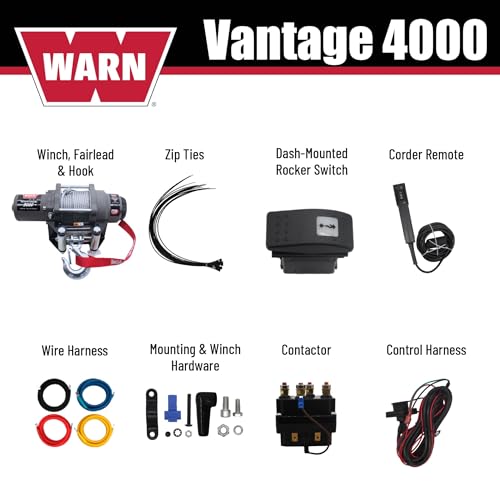


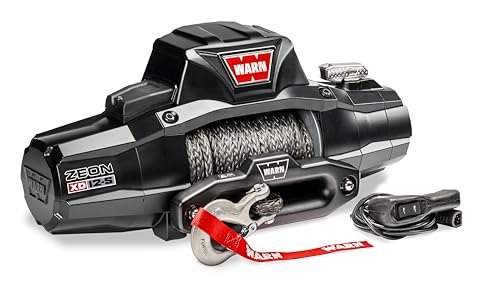


We also considered 10 others:


Our Top Choice
The order above is not editorial opinion, and it is not paid placement. It comes from what shoppers across our network actually do - which winches they compare, and which they ultimately buy. We re-rank as new data comes in, so the long-term favorites have to keep earning their spot against new entrants. The full method, including how we make money.
Winches Buyer's Guide
A winch is bought for the moment when traction, slope, mud, snow, or load weight has already beaten normal pulling methods, so the key tradeoff is usable pulling force versus heat, mounting limits, and safe control. Careful shoppers should look past the headline capacity and verify how the winch will mount, how the line and controls suit the job, and whether the motor can survive repeated heavy pulls without being overworked.
Pulling Power
A winch that is undersized can stall, overheat, or make recovery unsafe even if it looks strong on paper. The best match depends on the load, terrain, rope layers on the drum, and how long the pull must continue. Capacity should always be considered together with duty cycle and rigging technique.
Choose capacity for the heaviest realistic stuck or rolling load, not just the vehicle’s curb weight; off-road recovery often calls for a winch rated well above the loaded vehicle, while trailer loading and yard work still need margin for incline, friction, and dead weight. Remember that rated line pull is highest on the first drum layer and drops as rope stacks up, so a snatch block, proper rigging points, and slower pacing can matter as much as the number on the box. Avoid treating any electric winch like a continuous-duty hoist: long pulls, buried tires, or repeated work-site pulls can heat the motor and require cooling breaks. Owner sentiment strongly supports prioritizing real pulling performance, with many reports of winches handling vehicles, trailers, logs, beams, mud, snow, and work-site loads successfully. The main caution is also clear: durability feedback becomes more mixed under heavier or extended loads when users push the motor without enough rest.
Fit & Wiring
A strong winch is only useful if it can be mounted to a structure that can safely take the load. Poor cable routing or an awkward control-box location can create reliability problems and make field use harder. Vehicle, bumper, and trailer layouts vary enough that pre-checking dimensions prevents many installation surprises.
Before buying, confirm the winch tray or bumper is rated for the winch’s pull, has the correct bolt pattern and fairlead opening, and leaves room to reach the clutch lever. Check where the control box will sit, whether the battery cables are long enough, and whether the wiring route avoids sharp edges, exhaust heat, steering components, and pinch points. Trailer and utility installs may need different lead lengths, disconnects, or mounting plates than a front-bumper recovery setup. Owners often describe installation as straightforward, with wiring and included hardware getting many setups mounted and operating without much trouble. However, sentiment also shows that fit is situational: some bumpers require control-box relocation, wiring extensions, or improvisation even when the winch itself bolts up cleanly.
Control Safety
Winching is a high-force operation, so where the operator stands and how quickly the winch responds matter. Wireless control can improve positioning and visibility, but a wired backup adds confidence when conditions are dirty, wet, or remote. The safest control setup is the one that remains predictable when the pull becomes stressful.
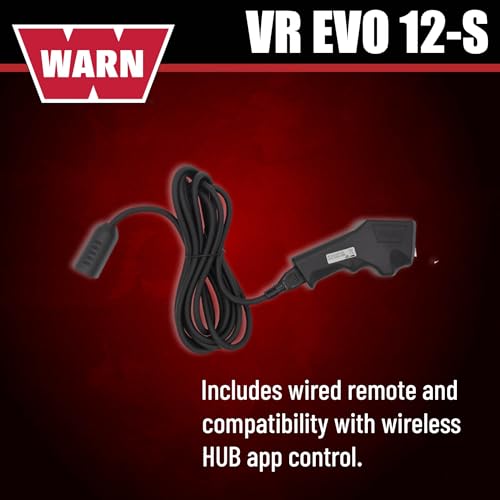
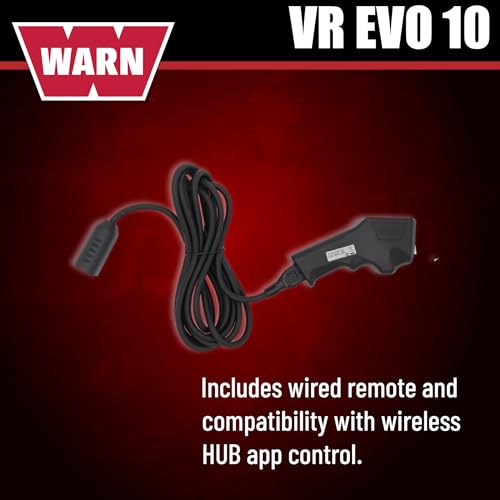
Look for a control setup that gives you both a dependable wired option and a wireless option for standing clear of the line path during recovery. A good remote should have clear in/out control, predictable response, and a fail-safe feel; avoid relying only on a wireless remote if battery loss, signal issues, or wet conditions would leave you stuck. For vehicle recovery, pair remote use with safe line handling: stand out of the danger zone, use rated recovery points, keep hands away from the fairlead and drum, and use a line damper when appropriate. Owner feedback repeatedly calls wireless control a major convenience, especially when it works without adding complexity. Reports also favor packages that include both wired control and wireless remotes, because they feel easier and more dependable in real use.
Line Hardware
The line and hardware are the parts that actually connect winch force to the load. Mismatched fairleads, weak hooks, poor rope care, or missing accessories can turn a capable motor into an unsafe or inconvenient setup. Good included hardware is valuable when it matches the intended recovery or loading environment.
Decide whether synthetic rope or steel cable is better for the job: synthetic rope is lighter and easier to handle but needs abrasion protection and UV/cut awareness, while steel cable tolerates abrasion better but is heavier, can kink, and demands gloves. Match the fairlead to the line type, inspect the hook and thimble, and check whether the drum length, rope diameter, and included hardware suit the expected pulls. A package that includes the right fairlead, controls, rope, and mounting hardware can save hassle, but only if each part is rated and compatible with the setup. Owner sentiment supports this dimension through praise for complete kits, good hardware, synthetic rope inclusion, and packages that feel capable without requiring many extras. Build-quality comments also show that clean packaging, sturdy components, and a finished look influence confidence before the first hard pull.
Build Durability
Winches often spend long periods exposed to weather and vibration, then are expected to work immediately under high load. Durable construction reduces the chance of seized clutches, corroded connections, water-damaged controls, or premature motor strain. Long-term reliability depends on both build quality and how often the winch is maintained and exercised.
For outdoor and off-road use, prioritize sealed electrical components, a protected solenoid/control box, corrosion-resistant fasteners, a sturdy clutch mechanism, and a housing that can handle mud, water splash, vibration, and road salt. A rugged look is not enough; check whether the design protects the motor, drum, brake, and connectors from the conditions where it will live. If the winch will stay on a front bumper year-round, weather exposure and maintenance access matter more than they do for an occasional shop or garage tool. Owners frequently praise solid construction, well-made feel, and dependable use on heavy shop, yard, and recovery jobs. At the same time, sentiment is more cautious about long-term durability than initial build impressions, especially when winches are worked hard for extended periods.
Job Match
The best winch is not always the largest one; it is the one that fits the pulling scenario, mounting location, and frequency of use. Vehicle recovery, trailer loading, forestry work, and shop handling place different demands on portability, controls, and capacity. A good value pick delivers enough safe capability for the job without forcing unnecessary complexity.
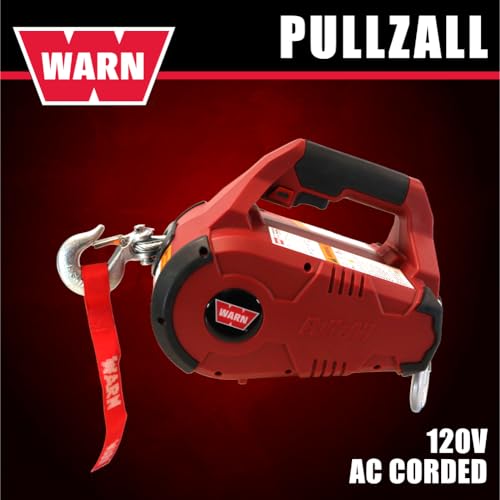
Match the winch format to the work: a bumper-mounted recovery winch is best for self-recovery, a trailer-mounted setup suits loading vehicles or equipment, and a portable utility winch can be better for logs, shop tasks, or awkward pulls where a vehicle-mounted unit cannot reach. Do not buy purely by maximum rating if the real need is compact handling, tight-space access, or occasional non-commercial pulling. Also avoid a too-small portable unit for heavy recovery, because convenience cannot make up for insufficient capacity or duty cycle. Owner sentiment shows strong appreciation for capable budget and value-oriented winches that perform real jobs without premium cost. Portable models also earn praise for simple operation and usefulness in tight or awkward places where larger equipment or extra help would otherwise be needed.
1,000,000+ shoppers use Buyer's Guide every week to find the best products and services online.

Helping millions of users make smarter purchases online.


