











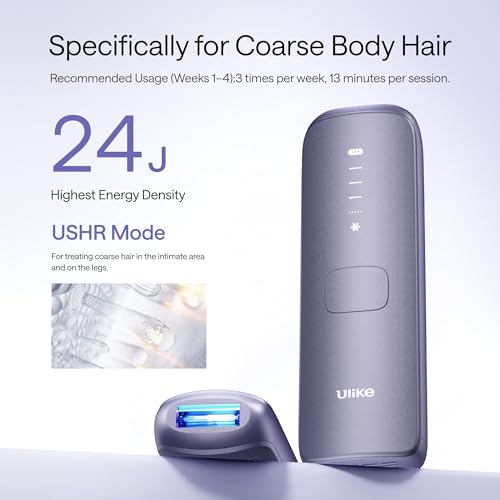

We also considered 10 others:


Our Top Choice
Compare Features


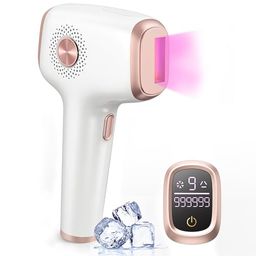


The order above is not editorial opinion, and it is not paid placement. It comes from what shoppers across our network actually do - which white hair laser removals they compare, and which they ultimately buy. We re-rank as new data comes in, so the long-term favorites have to keep earning their spot against new entrants. The full method, including how we make money.
White Hair Laser Removals Buyer's Guide
White-hair removal has a hard limitation that generic IPL advice often misses: light-based devices work by targeting pigment, and true white or gray hair has little to no pigment to absorb the energy. The sharpest buying concern is compatibility—whether the device can actually affect your hair color at all—followed by safety, because turning up intensity will not make non-pigmented hair respond and can increase irritation risk.
Effectiveness
Effectiveness determines how reliably you’ll see smoother skin and slower regrowth after consistent treatments. Look for a device with enough intensity levels and appropriate technology for your skin tone and hair color, since results depend heavily on that match. Be wary of vague “permanent removal” claims, and expect gradual hair reduction rather than instant results.
For white, gray, silver, or very pale blond hair, do not buy an IPL or laser device expecting reliable removal: these systems need pigment in the hair shaft/follicle to absorb light, so truly white hair is usually a poor target. If your area has mixed dark and white hairs, judge effectiveness separately—the dark hairs may respond while white hairs remain, and electrolysis is typically the more appropriate route for pigment-free hair. Owner reports strongly support visible at-home results with consistent use, but that praise is concentrated around darker hair on lighter skin, with slower, thinner regrowth after several weeks.
Reduction
You want a laser hair remover that delivers visible hair reduction over repeated sessions, not just temporary smoothness after shaving or trimming. Look for consistent slowing of hair growth, finer regrowth, and fewer needed touch-ups over time, while being wary of devices that promise permanent results too quickly or without matching your skin tone and hair color.
For this niche, the key question is not just “does it reduce hair?” but “does it reduce non-pigmented hair?”—and most light-based devices will not meaningfully reduce true white hair because there is little melanin to heat. Look for explicit, medically credible claims about gray/white hair before trusting marketing language, and be skeptical of broad “all hair colors” charts unless white/gray hair is clearly marked as suitable. Supporting owner feedback shows strong reduction with repeated sessions—hair coming back slower, finer, and less noticeable—but again the best-reported results are from darker, coarser hair and common areas like legs, underarms, bikini lines, and touch-up spots.
Ease
You’ll get better, more consistent results if the device is easy to understand and comfortable to handle during repeated home use. Look for clear instructions, intuitive controls, skin-contact or placement guidance, and a shape that’s not awkward to maneuver over areas like legs, underarms, or the bikini line. Watch out for devices that require too much guesswork around intensity settings, treatment timing, or safe use on your skin tone and hair color.
Ease matters most if you are using the device for mixed-color maintenance: choose a model that is simple to position accurately so you can treat dark-hair patches without repeatedly flashing areas where white hair will not respond. Check for a clear skin-tone/hair-color suitability chart, simple intensity controls, a comfortable grip for angles like chin, jawline, underarms, and bikini line, and a treatment window that matches the area you plan to maintain. Owners commonly find at-home sessions straightforward, quick to start, and manageable for full legs, bikini line, and armpits, with clear instructions helping them keep a weekly routine.
Comfort
Comfort matters because laser hair removal can range from a mild warmth or snapping sensation to noticeable sting, especially on sensitive areas. Look for adjustable intensity levels, skin-tone or contact sensors, cooling features, and clear guidance for starting low and patch-testing; watch out for devices that feel too hot, cause lingering pain, or require you to tolerate discomfort to get usable results.
Do not use extra intensity to “force” results on white hair; increasing power on non-responsive hair raises the chance of heat, irritation, or burns without solving the lack-of-pigment problem. For sensitive or thin skin areas where white hairs are common—upper lip, chin, neck, or jawline—prioritize adjustable levels, skin-contact sensors, cooling, and conservative patch testing. Owner sentiment is very positive on comfort when devices include cooling, with many describing flashes as nearly painless and easier to tolerate than waxing or some salon treatments.
Quality
A well-built laser hair remover should feel sturdy, comfortable to hold, and thoughtfully designed, since you’ll be using it repeatedly and often on hard-to-reach areas. Look for solid buttons, a smooth treatment window, clear controls, and a finish that doesn’t feel flimsy or slippery; watch out for devices that feel cheap, poorly balanced, or awkward to maneuver.
Quality for white-hair shoppers means honest compatibility and safety controls more than a flashy feature list: avoid devices that bury hair-color exclusions, lack a skin-tone sensor, or imply that IPL works equally on white, gray, red, and blond hair. A better-built device should have clear instructions, stable flash output, adjustable settings, cooling or skin protection, and enough ergonomic control to avoid missed spots on curved areas. Owners often praise well-made at-home units for visible salon-like results, easy handling, lightweight designs, clear setup, and low irritation—but those quality impressions do not override the biological limitation with white hair.
Value
Value matters because a laser hair remover is an upfront investment that should make sense compared with repeated salon visits or other hair-removal methods. Look for a device that matches your treatment needs, skin tone and hair color compatibility, usable treatment area, and expected lifespan, not just the lowest price. Watch out for cheap options with limited intensity settings, small flash windows, unclear safety guidance, or replacement parts that make the long-term cost less cost-effective.
For true white-hair removal, an IPL device can be poor value if it leaves the target hairs untouched; compare it against electrolysis or professional consultation rather than assuming it replaces clinic treatments. It may still be worthwhile if you have a mix of dark and white hairs and want at-home reduction of the pigmented portion, but do not pay for light-based features expecting them to clear white regrowth. Owners often feel at-home devices are a strong value versus repeated salon, clinic, waxing, or spa visits, especially when they see dark-hair reduction from consistent use.
1,000,000+ shoppers use Buyer's Guide every week to find the best products and services online.

Helping millions of users make smarter purchases online.


