


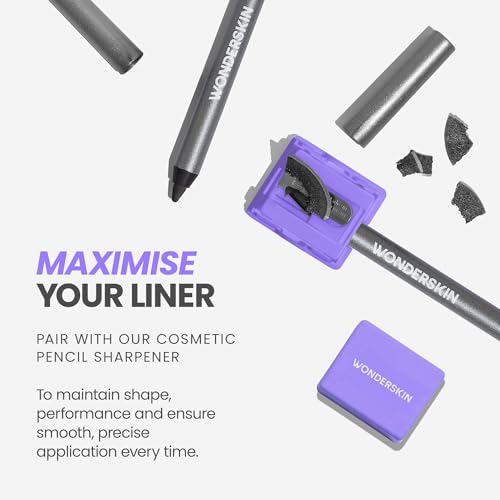





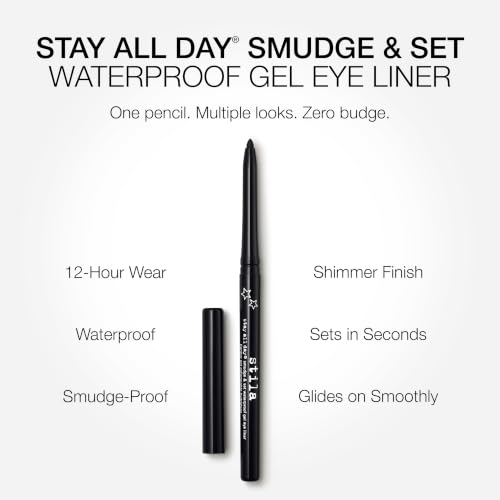


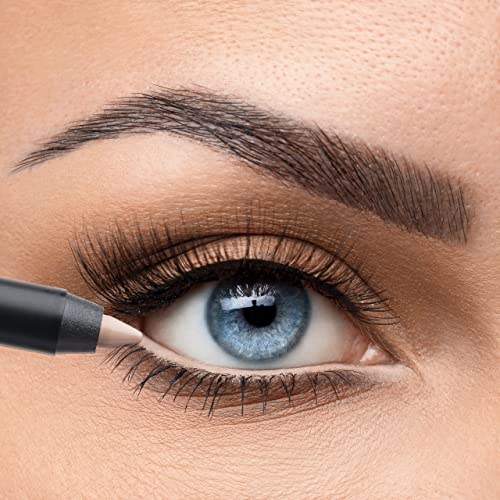


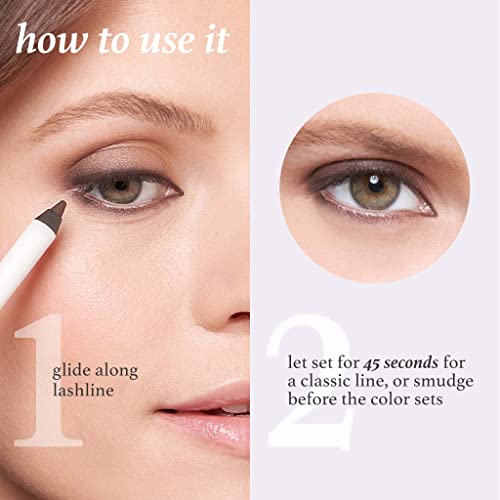


We also considered 10 others:


Our Top Choice
The order above is not editorial opinion, and it is not paid placement. It comes from what shoppers across our network actually do - which waterline eyeliners they compare, and which they ultimately buy. We re-rank as new data comes in, so the long-term favorites have to keep earning their spot against new entrants. The full method, including how we make money.
Waterline Eyeliners Buyer's Guide
Waterline eyeliners have to do a harder job than regular lid liners: they must mark a moist inner rim without scraping a very sensitive area, then resist tears, blinking, oil, and sweat. The best pick balances creamy glide with enough set-down to avoid midday smearing, while still giving visible pigment in shades that flatter the eye rather than disappearing on contact.
Eye Comfort
The waterline is more sensitive than the lash line, so a pencil that needs pressure can cause watering and uneven payoff. A good waterline formula should feel soft enough to glide, but not so greasy that it immediately migrates into the eye or lower lashes.
Prioritize pencils specifically intended for the waterline, with a creamy gel or kohl-gel feel, smooth laydown, and no obvious scratchiness; avoid hard, dry tips, chunky shimmer, or formulas that require repeated passes on the inner rim. For sensitive eyes or contact-lens wearers, look for eye-safe labeling and stop using any liner that stings, clouds vision, or makes the eye water heavily. Owner feedback strongly supports this dimension: the most-liked formulas are described as creamy, soft, highly pigmented, and able to glide on without tugging or much pressure, with smooth application repeatedly called a standout.
Staying Power
Waterline liner is exposed to moisture, blinking, skin oil, and transfer from the lower lash area, so wear claims matter more here than with a normal upper-lid line. The right formula should set enough to resist smudging, but shoppers with oily lids or watery eyes may still need technique changes.
Look for waterproof or long-wear claims, but judge them against your real conditions: oily lids, watery eyes, humid weather, sweat, and unset concealer under the eyes are the common failure points. For the best hold, dry the waterline gently before applying, keep skincare away from the lash line, and consider setting the lower lash area with powder so oils do not pull the liner down. Owner sentiment is split but informative: wear time is praised as a major strength by many, with full-day use reported, yet smudge resistance can be hit-or-miss and some users see smearing or melting by midday, especially on oily lids or in sweaty conditions.
Color Payoff
Because the waterline is wet and narrow, weak pigment can look patchy or vanish quickly. Shade choice also changes the effect: deep tones define, nude tones brighten, and colored liners can enhance eye color without needing a heavy lid look.
Choose a shade based on the job: black or deep brown for definition, beige or soft nude for a more awake look, and deep plum, burgundy, navy, or other muted colors when you want contrast without harshness. On the waterline, high pigment matters because you have little surface area and usually do not want to layer many times near the eye. Owner feedback strongly favors rich, flattering colors, including deep burgundy and purple tones that make eye color stand out, and also praises versatile color options that work for both everyday and evening looks.
Tip Control
Waterline application needs control because the line sits close to the eye and lash roots. A tip that is too soft can crumble or blunt quickly, while a tip that is too hard can tug and skip.
Check whether the pencil is sharpenable or retractable, how fine the point can stay, and whether the formula is soft enough to glide without being so fragile that the tip snaps during use. For tightlining or precise inner-corner work, a slim, stable tip is safer and cleaner than a thick, mushy one; if the formula is very creamy, use light pressure and avoid over-extending retractable tips. Owner reports make this a real watch-for: clean, precise lines and smooth glide are praised, but tip durability and breakage show up as the clearest recurring complaint pattern.
Overall Value
A waterline pencil can seem worthwhile only if it combines comfort, pigment, and wear reliably enough that you are not constantly reapplying or replacing broken product. Value in this category is less about a single feature and more about whether the formula performs under your eye conditions.
Treat value as performance-per-use: a pencil that glides easily, shows up in one or two passes, resists smearing, and does not break often will usually feel more worthwhile than one that needs constant touch-ups. If your eyes are oily or watery, do not overpay for a formula unless its wear claims match those conditions, because midday melting can erase the benefit of pretty color. Owner sentiment is divided here: some buyers feel quality is strong for the cost and reach for certain liners over higher-end options, while others feel the cost is high when wear or smudge resistance does not meet expectations.
1,000,000+ shoppers use Buyer's Guide every week to find the best products and services online.

Helping millions of users make smarter purchases online.


