














We also considered 10 others:


Our Top Choice
Compare Features


The order above is not editorial opinion, and it is not paid placement. It comes from what shoppers across our network actually do - which voice recorders they compare, and which they ultimately buy. We re-rank as new data comes in, so the long-term favorites have to keep earning their spot against new entrants. The full method, including how we make money.
Voice Recorders Buyer's Guide
Voice recorders are bought for moments you cannot easily recreate—lectures, interviews, medical visits, meetings, field notes—so the real tradeoff is not just sound quality versus size, but reliability versus friction. A careful shopper should prioritize fast, unmistakable recording controls, intelligible voice pickup in the actual room type, enough battery/storage for the longest session, and a workflow that does not trap important audio in a hard-to-export app or cloud service.
Features
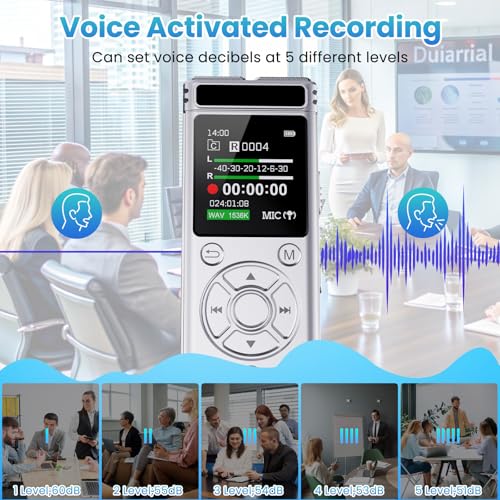
Features matter because a voice recorder transcriber should fit the way you actually capture audio, whether that’s meetings, interviews, lectures, or quick voice notes. Look for practical modes like voice activation, meeting recording, easy file transfer, reliable connectivity, and designs that stay put when placed or clipped, but be wary of “smart” features that add complexity without improving transcription quality or everyday usability.
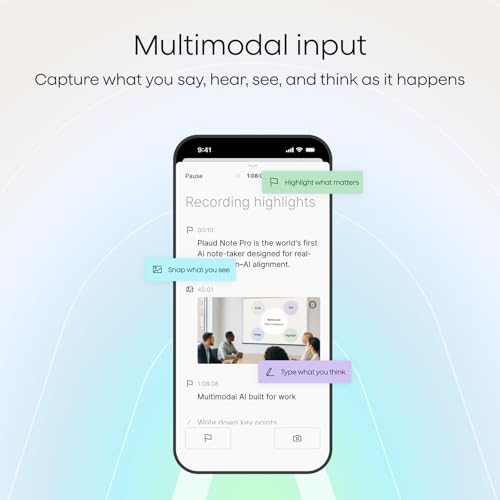
For features, look first for a recorder that matches your recording workflow: a physical one-touch record switch or button, visible recording indicator, hold/lock control to prevent accidental stops, timestamped files, fast delete/protect options, and standard export formats such as WAV or MP3. If you need transcripts or summaries, check whether those features require an app, account, subscription, internet connection, or cloud upload, and avoid relying on AI notes unless you can also keep the original audio. Owner feedback supports this priority: buyers repeatedly value simple setup, straightforward daily operation, quick capture for appointments, meetings, lectures, and field work, plus app tools that turn recordings into transcripts, summaries, action items, or mind maps; built-in USB transfer is also praised because it avoids cable and adapter hassles.
Quality
You want a voice recorder transcriber that feels solid, works consistently, and can handle regular use without lost files, glitches, or premature wear. Look for sturdy controls, dependable storage and battery behavior, clean port and microphone construction, and a reputation for reliable operation; be cautious of devices that feel flimsy, have inconsistent recording performance, or show frequent complaints about failures over time.
For quality, prioritize dependable capture over cosmetic build: the recorder should start every time, save files safely after low battery or accidental shutdown, resist pocket/bag button presses, and maintain stable performance across repeated long sessions. For professional, academic, medical, or legal-adjacent use, also check whether files include dates, whether recordings can be backed up quickly, and whether the body and ports feel durable enough for daily carrying. Owner sentiment aligns with this: buyers describe many recorders as dependable, good-quality tools for regular use, appreciate clear file retrieval on phones or laptops, and like slim designs that can be carried into meetings, medical visits, trainings, and field work without becoming a burden.
Ease
A voice recorder transcriber should be simple enough that you can start recording, pause, mark important moments, and retrieve transcripts without fumbling through menus. Look for clear instructions, intuitive controls, readable screens or app layouts, and straightforward file handling; watch out for devices or apps that hide basic features behind confusing settings, since that can lead to missed audio or unusable notes.
For ease of use, favor controls you can operate without looking: a clear record/stop workflow, readable screen or status lights, simple folder navigation, obvious battery/storage indicators, and plug-and-play file access. This matters because missed starts, silent pauses, and confusing menus are bigger failures than lacking advanced settings; if the recorder is for an older adult, student, journalist, or patient, avoid models that depend entirely on a phone app just to find or export recordings. Owners frequently reinforce this need, saying simple setup, readable menus, intuitive controls, press-to-record operation, and flash-drive-like file retrieval make recorders easier and faster than using a phone app.
Audio
Clear, loud audio matters because even the best transcription tools can struggle when speech is muffled, distorted, or buried under background noise. Look for a recorder that captures voices naturally at the distances and environments you’ll actually use it in, and watch out for thin, harsh, or overly compressed recordings that may be hard to review or transcribe accurately.
For audio, match the microphone pattern and settings to the room: use omnidirectional pickup for group meetings, directional or external-mic support for interviews, adjustable gain for quiet speakers, and low-cut/noise reduction for HVAC, traffic, or classroom rumble. Be cautious with heavy noise cancellation, because it can make voices sound processed or drop soft speech; for transcription, intelligibility matters more than “hi-fi” sound, so look for clear speech at distance, good playback volume, and the option to record in an uncompressed or higher-bitrate format when accuracy matters. Owner feedback strongly supports this focus: buyers praise clear voice pickup in meetings, lectures, large rooms, noisy environments, and from some distance, with several reports that quiet speakers and background noise remain understandable on better-performing small recorders.
Portability
You’ll want a recorder that’s small and light enough to carry every day, slip into a pocket or bag, and place where it can capture speech without drawing attention. Look for a compact size that still leaves room for easy-to-use controls, a clear display if you need one, and enough stability that it won’t be easily knocked over or muffled when set on a desk.
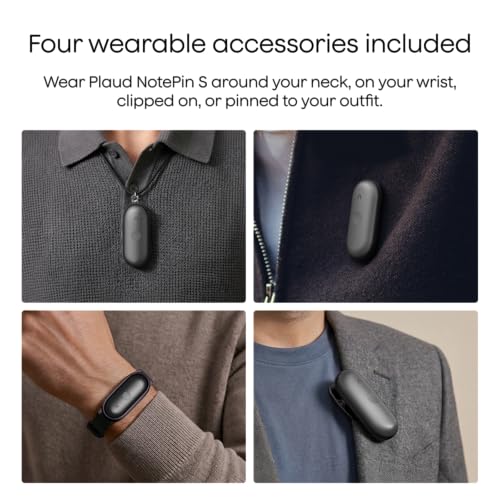
For portability, consider how and where the recorder will sit during the actual session: a pocketable unit is useful for travel, but tabletop stability, clip or magnet options, wearable placement, and discreet size can determine whether voices are captured clearly. Avoid choosing the smallest recorder if it sacrifices controls, battery, storage access, or mic placement; tiny devices are easy to carry but can also be easier to lose, cover with fabric, or accidentally muffle. Owners consistently like compact, lightweight, discreet builds for classes, meetings, interviews, reminders, campus use, and travel, and they also appreciate sturdy-feeling bodies and storage setups that make carrying and transferring recordings practical.
Battery
Battery life matters because a recorder that dies mid-interview, lecture, or meeting can leave you with gaps you can’t recover. Look for enough rated runtime for your longest sessions, plus some cushion, and pay attention to how it charges—USB charging is convenient, while replaceable batteries can be useful when you won’t have access to power. Also watch for features like backlit screens, noise reduction, or continuous transcription that may drain the battery faster than basic recording.
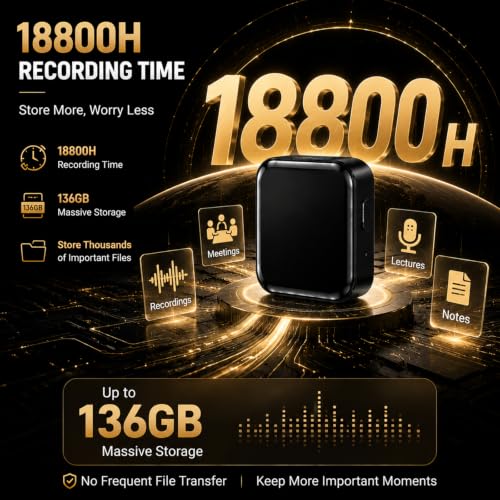
For battery, buy for your longest uninterrupted recording, not the advertised best-case figure: check real recording-time estimates, standby drain, charging time, whether it can record while charging, and whether low battery safely saves the current file. For all-day lectures, conferences, field work, or medical appointments with waiting time, also confirm storage capacity at your chosen audio quality so the recorder does not stop from lack of space before it runs out of power. Owner sentiment is mostly positive, with many buyers praising long stretches between charges, all-day sessions, and strong battery-plus-storage confidence, but there is a clear watch-out from some users who report units that work briefly and then lack enough power for continued recording.
1,000,000+ shoppers use Buyer's Guide every week to find the best products and services online.

Helping millions of users make smarter purchases online.


