










We also considered 10 others:





Our Top Choice
Compare Features


The order above is not editorial opinion, and it is not paid placement. It comes from what shoppers across our network actually do - which vlog cameras they compare, and which they ultimately buy. We re-rank as new data comes in, so the long-term favorites have to keep earning their spot against new entrants. The full method, including how we make money.
Vlog Cameras Buyer's Guide
Vlog cameras have to balance pocketable convenience against the things phones and photo-first cameras often fumble: stable walk-and-talk footage, reliable face framing, clean audio, and enough battery for repeated takes. The sharpest checks are whether the camera can keep you in focus while you move and whether its advertised 4K actually holds up with stabilization, low light, and long recording sessions.
Quality
A digital camera’s quality and reliability matter because you’re trusting it to perform consistently when a shot can’t be repeated. Look for solid build, dependable autofocus and exposure, durable controls, good battery and card performance, and a reputation for stable operation over long-term use. Watch out for cameras that feel flimsy, overheat easily, freeze or lag, or have user reports of recurring mechanical or software issues.
For vlogging, judge quality by the whole capture chain, not just the resolution claim: look for dependable continuous autofocus or subject tracking, usable stabilization, a lens wide enough for arm’s-length framing, solid onboard mics or an external-mic option, and a body that will not feel fragile on a mini tripod, bike mount, or travel rig. Avoid cameras that are mainly still-photo point-and-shoots with video added on if they lack a flip screen, clean audio path, or smooth handheld footage. Owner feedback supports that beginner-oriented models can still produce sharp, colorful everyday photos and solid video, and that small stabilized cameras are especially appreciated when they deliver professional-looking footage without a bulky setup.
Usability
You’ll get more out of a digital camera if it feels easy to pick up, set up, and adjust without constantly digging through confusing menus. Look for clear controls, helpful automatic modes, and simple playback or sharing steps, especially if the camera is for a beginner or kid. Watch out for models with tiny buttons, cluttered interfaces, or too many advanced settings if you want photography to feel fun rather than frustrating.
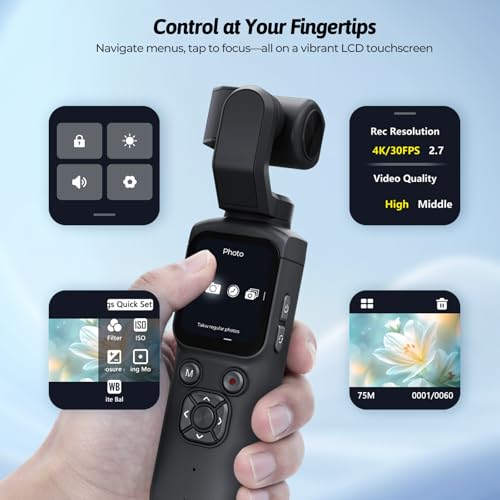
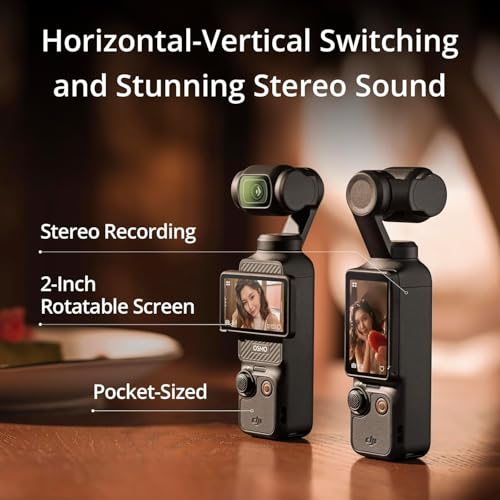
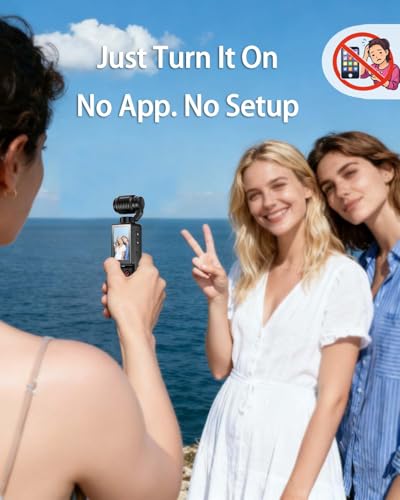
For solo creators, usability should mean you can frame, start, stop, and review yourself without another person behind the camera: prioritize a front-facing or fully articulating screen, clear touch controls, fast record access, reliable app connection, face tracking, and simple file transfer to a phone. Check that menus do not hide basic vlog tasks like exposure lock, mic level, stabilization mode, vertical shooting, or webcam mode. Owners frequently praise cameras that are straightforward for beginners, teens, and casual creators, especially when setup is quick, controls are intuitive, tracking helps solo filming, and a flip screen makes selfies, travel clips, and vlogging easier.
Value
Value for money matters because a digital camera should justify its cost with the features, image quality, handling, and reliability you’ll actually use. Look beyond the body price and consider what’s included or required, such as lenses, batteries, storage, and accessories, while watching out for cameras that add flashy specs but compromise on core performance or usability.
Value in a vlog camera is not just the camera body; it is whether the kit removes immediate bottlenecks such as dead batteries, no storage, shaky handheld footage, poor audio, or no way to protect the camera in a bag. A strong starter bundle should include at least spare batteries, a suitable memory card, charging gear, a case, and ideally a remote, grip, stabilizer, or microphone—but verify that accessories are actually compatible and not filler. Owner sentiment backs this: buyers often call beginner kits strong values when they arrive ready to use with items like extra batteries, memory, microphones, remotes, carrying cases, stabilizers, chargers, and other essentials, while still setting expectations below professional-grade systems.
Battery
Battery life matters because it determines how long you can shoot without stopping to recharge or swap batteries, especially during travel, events, or long days outdoors. Look for a camera that matches your shooting style, and remember that video recording, continuous autofocus, bright screens, wireless features, and cold weather can drain power faster than casual still photography. Also consider how it charges, including USB charging support and recharge speed, so you know whether you can top it up easily between sessions.
For vlogging, check real recording endurance in the mode you will use most—often 4K with stabilization and the screen on—because battery ratings can drop quickly during walk-and-talk clips, travel days, or livestream-style recording. Prefer swappable batteries, an external charger that can charge one battery while another is in use, USB-C charging or power-bank support, and no severe overheating or recording-limit behavior during longer takes. Owners consistently value cameras that include extra batteries and memory because they are ready to shoot immediately, and they report that spare batteries and separate charging setups make longer sessions and travel days much easier.
Image
Image quality determines how sharp, detailed, and natural your photos look, especially when you crop, print, or shoot in challenging light. Look for a camera that delivers accurate color, clean detail, and consistent results across different scenes, not just impressive-looking sample shots in ideal conditions. Also watch for overprocessed images that appear too smooth, too contrasty, or unnaturally saturated.
For vlogs, image quality should be evaluated on faces in real shooting conditions: look for pleasing skin tones, stable face exposure when walking between shade and sun, decent low-light performance indoors, manageable wide-angle distortion, and enough dynamic range to avoid blown-out skies behind you. Do not be swayed only by high megapixel counts; a larger sensor, brighter lens, good processing, and reliable autofocus usually matter more for talking-head footage and thumbnails. Owner feedback supports that many starter cameras can produce clear, sharp photos, crisp high-resolution stills, strong color, and detailed 4K-looking results for everyday photography, casual vlogging, travel, and even underwater-style footage when the camera is properly protected.
Video
If you plan to record more than stills, you’ll want a camera that delivers clean, detailed video with reliable autofocus, good stabilization, and recording options that match how you shoot. For vlogging, watch for a screen you can monitor while filming, comfortable handheld operation, and microphone support, since built-in audio can pick up handling noise and wind. Also consider practical limits like overheating, battery life, and recording time, especially for longer clips or frequent filming.
For video, verify the exact modes you need: true usable 4K, frame rates for normal and slow-motion clips, stabilization that works while walking, autofocus that does not hunt on your face, acceptable low-light footage, and audio support that matches your recording style. Watch for tradeoffs such as heavy stabilization crop that makes arm’s-length framing too tight, digital-only stabilization that jitters, weak internal microphones, or long-recording heat issues. Owners most often praise vlog-friendly models when they produce sharp, clear footage, smooth walking shots, polished small-camera video, useful travel and YouTube results, and casual clips that hold up in daylight, low light, outdoor, and water-use scenarios.
1,000,000+ shoppers use Buyer's Guide every week to find the best products and services online.

Helping millions of users make smarter purchases online.


