




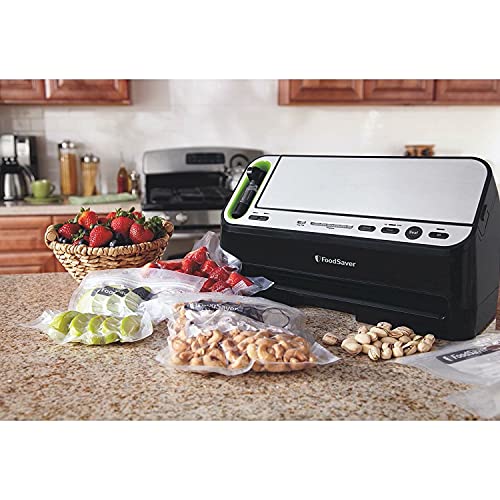

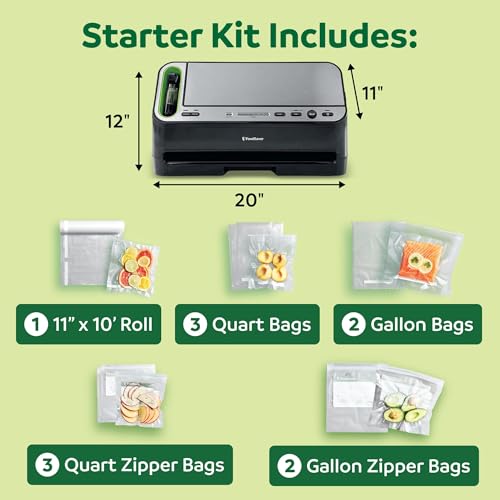


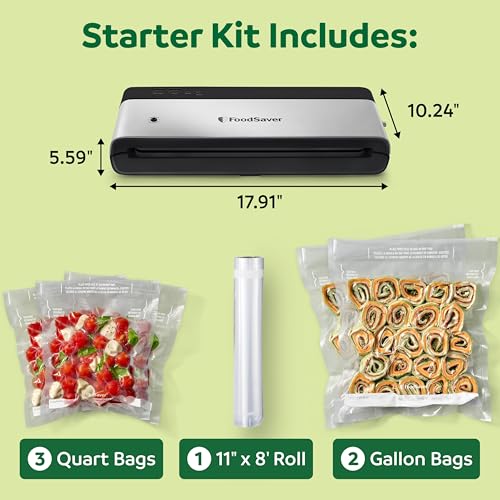


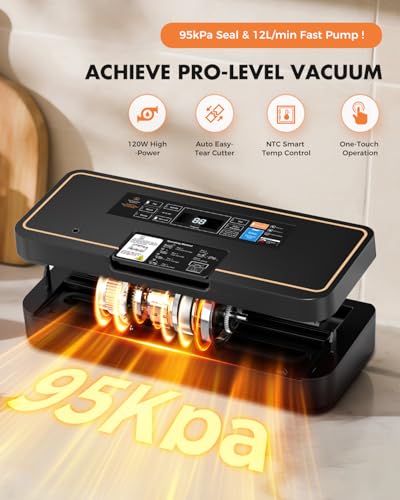









We also considered 10 others:


Our Top Choice
Compare Features


The order above is not editorial opinion, and it is not paid placement. It comes from what shoppers across our network actually do - which vacuum sealers they compare, and which they ultimately buy. We re-rank as new data comes in, so the long-term favorites have to keep earning their spot against new entrants. The full method, including how we make money.
Vacuum Sealers Buyer's Guide
Vacuum sealers are a tradeoff between strong, repeatable air removal and the messier realities of real food: wet meat, soft produce, opened pantry bags, jars, and freezer portions. The sharpest things to check are whether the machine can make a dependable seal when moisture or wrinkles are present, and whether its bag, jar, or handheld system fits how often you open and reseal food.
Sealing
A vacuum sealer is only as reliable as the seal it leaves behind, because weak or uneven seals can let air and moisture back in and shorten storage life. Look for consistent seal quality across different bag thicknesses and food types, plus features like double sealing or adjustable sealing time if you plan to seal moist foods, bulky portions, or back-to-back batches. Watch out for machines that overheat, miss spots near bag edges, or require repeated attempts to get a secure closure.
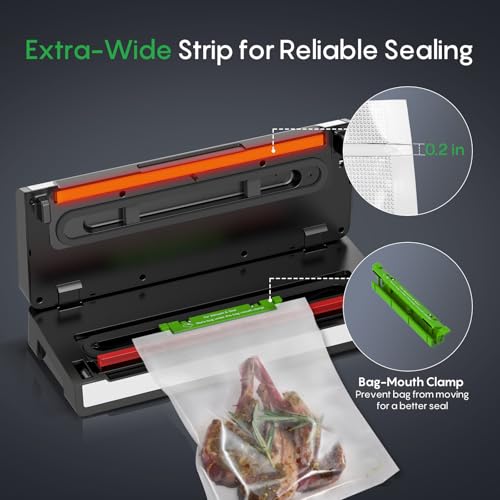
For vacuum sealers, prioritize the seal bar and moisture handling before anything else: look for a wide heat strip, a double-seal option for meat batches, a dedicated moist mode, and enough seal time control to handle textured bags without melting through them. Avoid models that only make a narrow single seal if you plan to freeze meats, store saucy foods, or use sous vide, because tiny wrinkles, juice in the seal area, or a weak edge seal can let air back in and cause freezer burn or bag failure in hot water. Owner feedback supports this focus: the best-liked sealers are praised for strong, consistent seals across bag sizes, reliable daily food-prep use, secure freezer portions, and good results even with wet or slightly leaky packages.
Ease
A vacuum sealer should make food prep easier, not add extra steps or frustration, so look for intuitive controls, clear sealing modes, and a lid or latch that’s easy to open, close, and clean. Pay attention to practical details like bag alignment, hands-free operation, removable drip trays, and whether lid removal or cleanup feels straightforward, because small inconveniences can make you less likely to use it regularly.
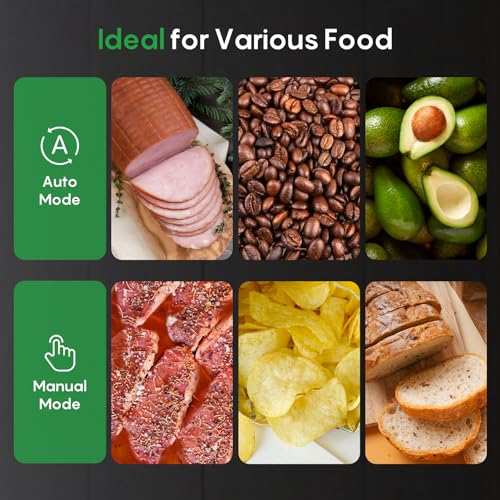
Choose a sealer whose workflow matches how you actually store food: countertop heat-seal machines are better for bulk meats and freezer prep, while handheld jar or reusable-bag systems are easier for frequently reopened pantry items, produce, cheese, and leftovers. For day-to-day use, look for clear dry/moist/soft/delicate modes, forgiving bag placement, an easy-lock lid or handle, and accessory compatibility for jars or canisters; avoid machines that require fussy alignment or a hard two-handed latch if you will seal several bags in a row. Owners tend to reward models that feel intuitive for first-time users, work on regular and wide-mouth jars, reseal items during the week with little effort, and simplify common tasks like sealing meat, vegetables, chip bags, and pantry goods.
Quality
You’ll want a vacuum sealer that feels sturdy and dependable, because weak hinges, flimsy lids, or poor seals can lead to inconsistent suction and shorter service life. Look for solid construction, a lid that locks evenly, durable gaskets, and controls that respond reliably; watch out for machines that overheat quickly, struggle with repeated use, or feel loose when you press down to seal.
Durability in this category often comes down to consumable and wear parts: check whether the gasket is replaceable, the latch feels sturdy, the heat strip is protected, the drip tray is easy to clean, and compatible bags are thick enough for freezing and washing if reusable. If you expect heavy batch use, avoid flimsy lids, nonreplaceable seals, and handheld units with weak battery claims, because declining suction, warped gaskets, and tired batteries are common long-term failure points. Owner sentiment lines up with these checks: shoppers praise units that feel solid for household use, include practical extras like bag rolls or replacement gaskets, hold seals reliably through regular meal prep, use heavy-duty washable bags, and last through many cordless uses before recharging.
Value
You want a vacuum sealer that feels worth the price not just on day one, but after you factor in bags, rolls, replacement parts, and how reliably it seals over time. Look for a model that matches how often you’ll use it, with enough performance and durability to avoid wasted food or failed seals, but avoid paying extra for features you won’t actually use.
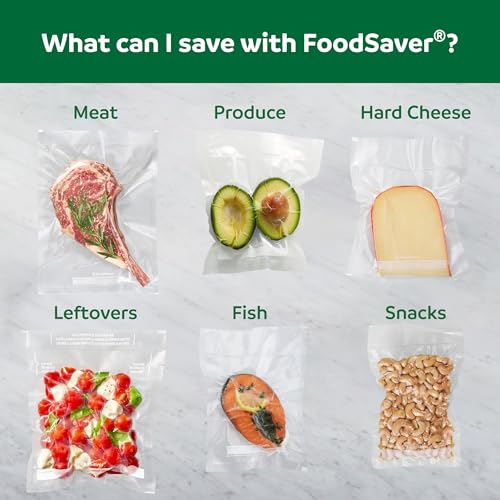
Judge value by the total storage system, not just the machine: factor in bag-roll cost, whether it works with generic textured bags, whether it includes starter rolls, whether you need jars/canisters, and whether the format will actually prevent waste in your kitchen. A cheap sealer is poor value if it leaves air in bags, requires proprietary refills, or cannot handle the foods you buy most often; for wet foods, liquids, or frequent bulk prep, a stronger edge sealer or chamber-style capability may justify more space and complexity. Owner feedback supports a performance-first view of value, with buyers calling machines worthwhile when they preserve meat, fish, cheese, leftovers, and freezer foods reliably, replace older underperforming sealers, or deliver compact everyday sealing without requiring a bulky countertop setup.
Suction
Strong suction matters because it determines how thoroughly the vacuum sealer removes air, which helps reduce freezer burn and keeps stored food better protected. Look for steady, reliable air removal that can handle different bag sizes and foods without leaving pockets of air behind, and watch out for overly aggressive suction that can crush delicate items unless the sealer offers a gentle or manual control option.
Suction should be strong enough to remove air around irregular foods, but it also needs control: look for pulse/manual vacuum, gentle or soft-food settings, and accessory suction for jars or canisters if you store delicate produce, baked goods, or pantry staples. For raw meat and freezer portions, tight air removal matters because trapped pockets accelerate freezer burn; for soft foods, too much uncontrolled suction can crush food or pull liquid into the seal channel. Owners consistently praise sealers that pull bags tight, remove air thoroughly across different bag sizes, and work well with canisters, but there is a clear caution that some bags can appear sealed while visible air remains around the food.
Size
Size matters because a vacuum sealer that fits your counter and storage space is more likely to get used regularly. Look for a compact, space-saving design if you have a small kitchen or plan to move it often, but watch out for units that are so small they limit bag width, sealing strength, or ease of handling larger portions.
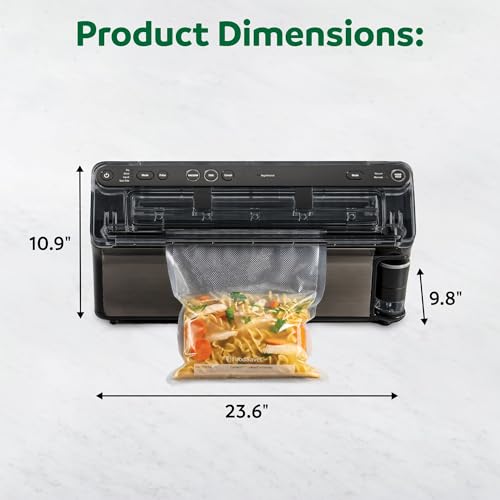
Match the form factor to your storage habits: compact edge sealers fit small kitchens but may omit built-in roll storage or cutters, handheld pumps are drawer-friendly for reusable bags and travel, and larger machines are better for long sealing sessions and wider bags. Check maximum bag width, cord storage, vertical or drawer storage dimensions, and whether you can comfortably seal bulky items like roasts, meal-prep portions, or large pantry bags; avoid undersized units if you plan to process bulk warehouse packs. Owner feedback strongly favors compact, lightweight, rechargeable, and drawer-friendly designs for everyday kitchens and travel, while also noting that larger bag-size options matter when the goal is serious compression or storing big items.
1,000,000+ shoppers use Buyer's Guide every week to find the best products and services online.

Helping millions of users make smarter purchases online.


