








We also considered 10 others:




Our Top Choice
Compare Features


The order above is not editorial opinion, and it is not paid placement. It comes from what shoppers across our network actually do - which vacuum mops they compare, and which they ultimately buy. We re-rank as new data comes in, so the long-term favorites have to keep earning their spot against new entrants. The full method, including how we make money.
Vacuum Mops Buyer's Guide
Vacuum mops promise one-pass floor care, but the real tradeoff is between convenience and the extra wet-system maintenance they introduce. The sharpest buying concerns are whether the machine safely handles your sealed floor types without over-wetting them, and whether it can pick up hair, grit, and dirty water instead of smearing mess around.
Cleaning
Cleaning performance matters because a vacuum mop should save you from doing separate passes to pick up crumbs, lift wet messes, and leave hard floors actually clean. Look for strong, consistent suction, a brush or mop system that handles both fine debris and sticky spills, and a design that avoids pushing dirt around or leaving streaks, puddles, or residue behind.
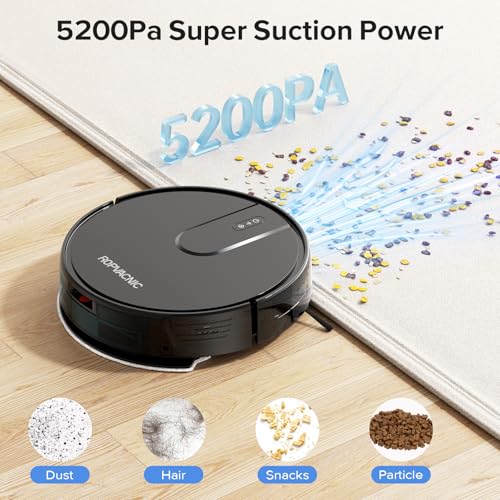
Prioritize a vacuum mop that matches your actual floor mix and mess type: sealed hard floors need controlled water flow and strong dirty-water pickup, pet homes need anti-tangle brush design and enough suction for hair before the mop pad/roller smears it, and homes with rugs need reliable carpet/rug detection or a no-mop zone feature. Avoid models that only drag a damp pad if you regularly deal with muddy paw prints, sticky spills, or food crumbs, because they can leave residue unless they actively scrub and recover dirty water. Owner feedback supports this focus: buyers most often praise these machines as daily maintenance cleaners for pet hair, dust, crumbs, footprints, muddy tracks, and hard floors, with the strongest satisfaction when the unit completes whole-home runs without constant rescue.
Ease
A vacuum mop should make floor cleaning faster and less frustrating, so pay attention to how easy it is to fill, steer, switch modes, empty dirty water, and clean after use. Look for intuitive controls, manageable weight, good maneuverability, and simple maintenance, and watch out for designs that save cleaning time on the floor but add hassle at the sink afterward.
Look closely at the daily-reset routine, not just the first clean: check how easy it is to fill clean water, empty dirty water, rinse or self-clean the roller/pads, remove hair, and store the unit or dock without leaks or odors. For robot vacuum mops, app mapping, room labels, no-mop zones, obstacle handling, and dock placement matter as much as suction; for upright wet-dry models, weight, swivel steering, tank access, and edge reach determine whether you will actually use it after small spills. Owner sentiment backs this up, with shoppers valuing quick setup, mapping, app control, lightweight handling, compact storage, self-cleaning docks, fast one-pass cleaning, and floors that dry quickly.
Value
You want a vacuum mop that earns its place by cleaning well, saving you effort, and holding up without making everyday upkeep frustrating or costly. Look for strong performance on the messes you actually face, useful features you’ll use regularly, and reasonable maintenance needs; watch out for models that seem affordable upfront but have weak suction, poor edge cleaning, short runtime, or expensive consumables that reduce their value for money.
Judge value by how much separate work it truly replaces: the best buy is not just a vacuum plus a damp mop, but a system that reduces sweeping, mopping, wringing, pad washing, and repeat passes for your household’s mess level. Factor in ongoing costs and limits before buying—replacement rollers, filters, mop pads, cleaning solution, batteries, dock bags if applicable, and whether it can cover your full area on one charge or resume reliably. Owners generally feel the category is worth the money when it saves effort, replaces separate tools, covers large areas, and feels like a clear upgrade over older vacuum-then-mop routines, especially when automation and navigation are strong.
Build
A vacuum mop deals with water, debris, moving brushes, and frequent emptying, so solid build quality affects how well it holds up to regular use. Look for sturdy plastics, secure tanks and latches, well-sealed water pathways, and brush or filter parts that feel easy to remove without being flimsy. Watch out for units that creak, leak, have loose-fitting components, or feel hard to clean, since those issues can become daily frustrations over time.
For this category, build quality should be judged by the wet components most likely to fail or become unpleasant: tank seals, pump reliability, roller drive, charging contacts, dock plumbing, washable filter access, and whether dirty water and debris paths are easy to clean before they clog or smell. Choose designs with sturdy latches, removable rollers, accessible suction channels, and parts availability; be cautious if the machine feels flimsy around tanks, hinges, or the self-cleaning system, because early failure is a known risk even when cleaning performance is good. Owner feedback is mostly positive on lightweight cordless handling, solid-feeling design, and strong hard-floor cleaning of pet hair, crumbs, dirt, sticky spots, and dirty water, but durability complaints and early failures are the main watch-out.
Don't miss the latest sales on Vacuum Mops and more. Get the best Black Friday deals today!

1,000,000+ shoppers use Buyer's Guide every week to find the best products and services online.

Helping millions of users make smarter purchases online.