

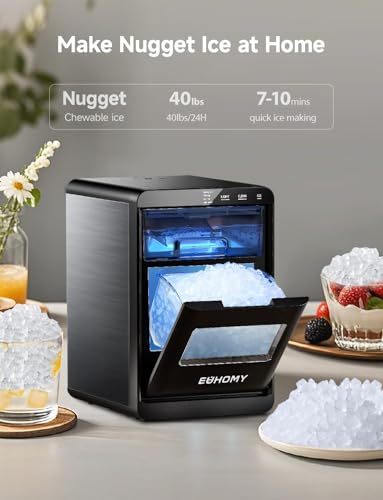






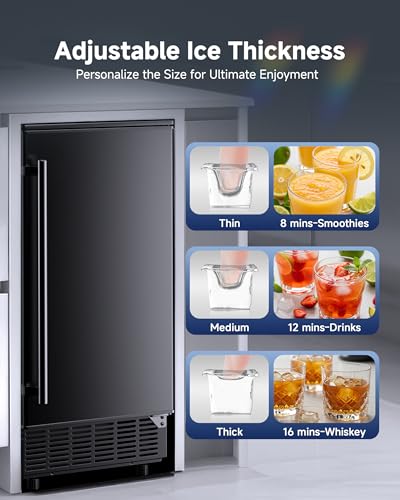
We also considered 10 others:


Our Top Choice
Compare Features


The order above is not editorial opinion, and it is not paid placement. It comes from what shoppers across our network actually do - which under counter ice makers they compare, and which they ultimately buy. We re-rank as new data comes in, so the long-term favorites have to keep earning their spot against new entrants. The full method, including how we make money.
Under Counter Ice Makers Buyer's Guide
Under-counter ice makers trade countertop convenience for built-in capacity, but the sharp buying concerns are installation and real usable output: you must match the machine to your water line, drain type, ventilation path, cabinet opening, and peak ice demand. Also remember that many under-counter bins are not freezers, so ice slowly melts and must drain properly; a great producer with the wrong drain or poor ventilation can become noisy, wet, or unreliable.
Output
Output matters because it determines whether your ice maker can keep up with your daily drinks, entertaining, or cooler-filling needs without long waits or frequent empty cycles. Look for a unit with a production rate and storage capacity that match how you’ll use it, and pay attention to whether it makes ice consistently in real conditions rather than only under ideal settings. Also consider the type and size of ice it produces, since smaller or softer cubes may be made faster but can melt more quickly.
For under-counter use, size output by your busiest few hours, not just the advertised daily production number: check both pounds per day and bin storage, and assume production drops in a hot kitchen, garage, bar area, or with warm inlet water. Avoid choosing solely by maximum output if the bin is small or non-refrigerated, because melted ice will drain away and the machine may need to cycle more often. Owner feedback supports prioritizing strong production, with many buyers saying their machines kept up with all-day household use, coolers, pitchers, parties, and light small-business demand.
Reliability
You want an ice maker that can handle frequent freezing cycles, water exposure, and regular cleaning without leaks, jams, or early part failures. Look for sturdy construction, well-sealed components, easy access for maintenance, and owner feedback that points to consistent performance over time. Be cautious of flimsy housings, vague warranty support, or recurring complaints about pumps, sensors, or ice production stopping unexpectedly.
Reliability in this category depends heavily on correct built-in installation: look for front ventilation or the exact clearance the unit requires, a stainless or corrosion-resistant cabinet, accessible condenser cleaning, a compatible drain setup, and a water filter/descaling plan for hard-water areas. Be cautious with units that rely on a drain pump if you cannot easily service it, because pump or motor failures can turn into leaks, shutdowns, or loud grinding noises. Owner sentiment is mostly positive on solid build, quiet running, premium-feeling stainless designs, and clear dense cubes, but there are also real warnings about failed units becoming very noisy.
Speed
Ice production speed matters because it determines whether you’ll have enough ice ready when you need it, from daily drinks to entertaining guests. Look for how quickly the machine produces its first batch and how much ice it can make over time, but watch out for small storage bins or slow recovery after emptying, which can make a fast-rated unit feel less capable in real use.
For an under-counter ice maker, the important speed metric is recovery rate after the bin is emptied, not just the first-batch time; check how quickly it refills the bin during parties, drink service, or summer use. Fast first ice is useful, but installation conditions, water temperature, cube thickness settings, and ambient heat can slow production, so leave margin above your expected demand. Owners frequently praise quick, consistent operation, with some reporting usable first batches around the advertised 6-to-8-minute window and enough speed for BBQs, beverage service, gatherings, and daily drinks.
Ice
The ice a machine produces affects everything from how fast drinks chill to how easy the unit is to use day to day. Look for ice that matches your needs in size and shape, releases cleanly from the basket or bin, and stays consistent without clumping, melting too quickly, or coming out wet and fragile.
Choose the ice type before comparing machines: clear hard cubes are better for cocktails and slower melt, crescent or bullet-style ice is practical for everyday drinks, and nugget ice is best if chewable texture is the main goal. If you want clear cubes, look for adjustable cube thickness or hardness and expect more cleaning and drainage sensitivity; if you want nugget ice, verify the unit is actually designed for that style rather than standard cubes. Owner feedback strongly supports this distinction: buyers praise soft, chewable nugget ice for its Sonic-like texture, while others value dense clear cubes and pleasant everyday shapes for sodas, frozen coffees, and ice-based treats.
Ease
You’ll use an ice maker more often if it’s simple to fill, start, and monitor without constant checking or guesswork. Look for clear controls, easy-access water reservoirs and ice baskets, visible status indicators, and straightforward cleaning steps; watch out for designs with awkward drain plugs, cramped openings, or maintenance routines that make regular use feel like a chore.
Ease of use starts with installation compatibility: confirm cabinet dimensions, door swing, leveling feet, water-line connection, gravity drain versus pump drain, required air gap, filter access, and whether the unit can be pulled out for cleaning. Once installed, prioritize simple controls, removable bin parts, clear cleaning/descale prompts, and adjustable cube size or thickness so daily use does not require guesswork. Owners generally report straightforward setup and operation, simple filling or handling on applicable designs, clear instructions, easy ice removal, simple controls, and cleaning that does not feel overly burdensome.
Value
Value matters because you want an ice maker that earns its cost through reliable output, useful features, and durability—not just a long spec sheet. Look for a balance of ice production, storage capacity, speed, ease of cleaning, and build quality, and watch out for models that cost more because of extras you may not use or that skimp on reliability to hit a lower price.
Judge value by total installed cost and avoided hassle, not just the appliance itself: include cabinetry fit, water line, drain work, pump needs, filtration, descaling supplies, electrical placement, and the cost of fixing leaks or poor ventilation later. An under-counter unit makes the most sense when you regularly buy bagged ice, host often, run a home bar, need light commercial backup, or want dependable ice separate from a refrigerator. Owner sentiment supports good value when machines deliver commercial-style production, replace bagged ice, fit compact spaces, or provide strong output for home bars, offices, RVs, entertaining, and small-household use.
1,000,000+ shoppers use Buyer's Guide every week to find the best products and services online.

Helping millions of users make smarter purchases online.


