





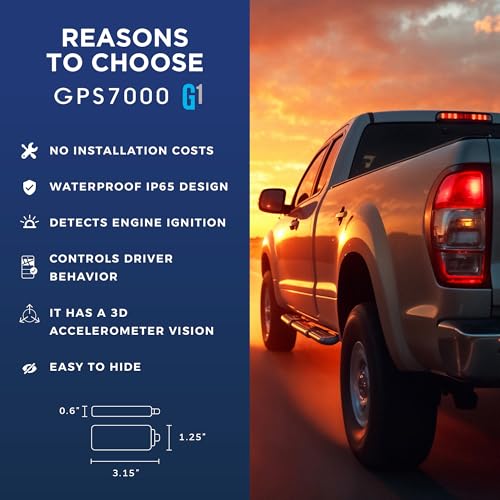

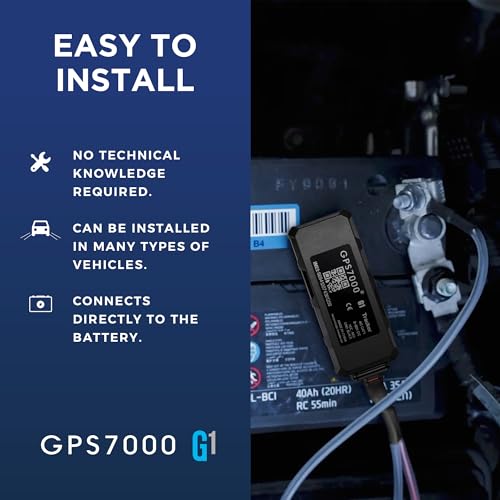


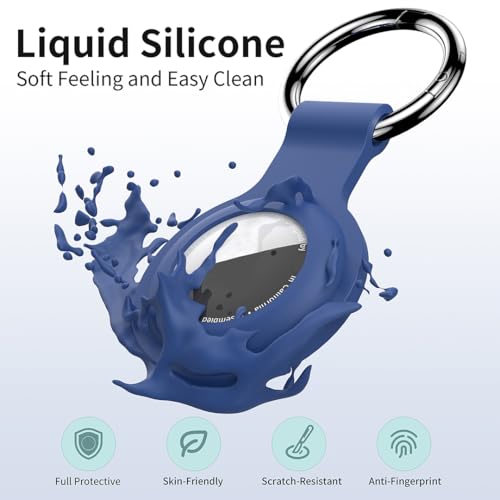
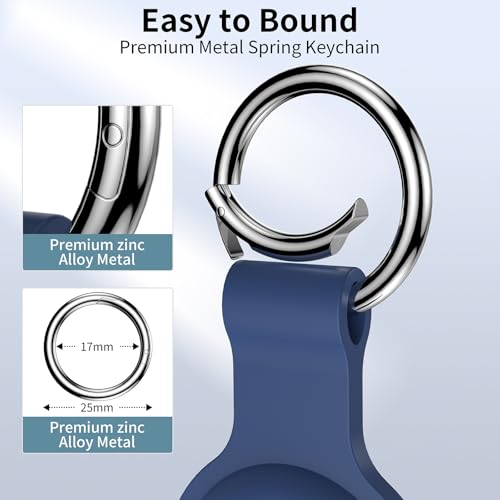
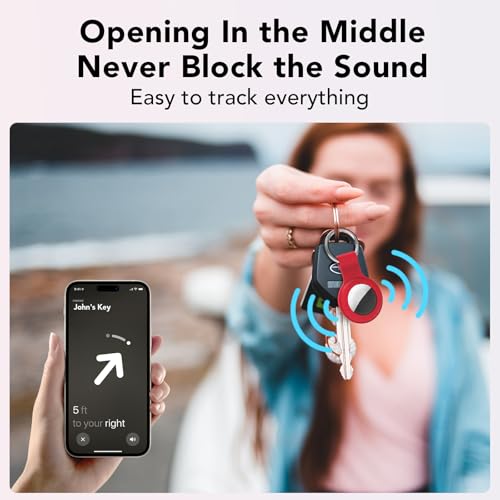


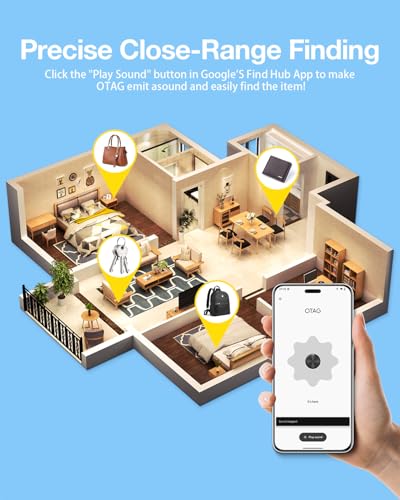
We also considered 10 others:


Our Top Choice
The order above is not editorial opinion, and it is not paid placement. It comes from what shoppers across our network actually do - which tracking devices they compare, and which they ultimately buy. We re-rank as new data comes in, so the long-term favorites have to keep earning their spot against new entrants. The full method, including how we make money.
Tracking Devices Buyer's Guide
Tracking devices split between small item tags that borrow a nearby-phone network and active GPS/cellular units that report more independently. The core tradeoff is update accuracy and coverage versus battery life, service requirements, and how securely the device can be attached to luggage, keys, pets, vehicles, or assets.
Location Accuracy
Tracking devices differ sharply in how they locate something: some depend on nearby phones, while others use active location hardware and a service connection. The right choice depends on whether you need occasional recovery of a misplaced item or frequent position updates for a moving asset. Accuracy also depends on signal availability, placement, surroundings, and how often the device is allowed to report.
Choose the tracking type for the job: phone-network item tags are best for keys, bags, and luggage that pass near other phones, while cellular/GPS units are better for vehicles, equipment, shipments, and assets that need live movement updates. Look for clear update intervals, map history, geofence support, and a loud local ringer for close-range recovery; avoid assuming a small tag will provide true real-time tracking in remote areas or inside signal-blocking structures. Owner feedback strongly supports this split: some trackers are valued for reliable peace of mind across luggage, bags, keys, pets, and cars, while real-time models are praised for accurate location tracking that gives confidence about vehicles or assets. The main caution is that precise lost-item location can still be approximate, and some owners report inconsistent signal performance or missing lost-location detail.
Compatibility Costs
A tracker is only useful if it fits the ecosystem around it: the phone, app, account permissions, and network coverage all matter. Some devices keep costs low by relying on nearby compatible phones, while others trade recurring fees for more independent tracking. Compatibility problems can turn an otherwise capable tracker into a frustrating purchase.
Before buying, verify the device works with the phones and accounts your household actually uses, and separate no-fee crowd-network tags from subscription trackers that need an active service plan. For shared family use, check whether location sharing, multiple users, separation alerts, and platform-specific features are supported; for vehicle or asset tracking, confirm cellular coverage in the areas where the tracker will travel. Owners commonly report straightforward pairing for iPhone users in a major item-finding network, but some had to use alternate pairing categories or saw recognition issues. Sentiment also shows that both multi-pack item tags and subscription trackers can feel worthwhile when they deliver peace of mind, but the value depends on matching the service model to the use case.
Battery Control
Battery life is one of the biggest tradeoffs in tracking devices because more frequent location updates use more power. A tracker that lasts a long time but updates too rarely may not suit a moving vehicle, while a live tracker with short runtime may be impractical for unattended assets. The best choice gives you control over that balance.
Match battery design to how often you can access the tracker: replaceable coin cells make sense for small item tags, while rechargeable or long-life units are better for vehicles, containers, and equipment that may stay deployed for weeks or months. Look for adjustable update intervals, motion-based reporting, battery alerts, and hibernation or battery-saver modes; avoid maximum-refresh settings unless you truly need live movement because frequent updates shorten runtime. Owner sentiment identifies battery life as a major strength when saver or hibernation settings are used for vehicles, shipments, or assets that do not need constant updates. At the same time, some owners report inconsistent battery life, so practical controls and clear low-battery warnings matter as much as the advertised runtime.
Mounting Durability
A tracker that falls off, gets soaked, or is placed where it cannot transmit will fail even if its electronics are capable. The attachment method should match the motion, weather, and abuse the item will see. Durability also includes the less visible parts of reliability, such as maintaining signal and notifications over time.
For keys and bags, prioritize a secure hole, loop, adhesive mount, or protective holder that will not pop off under vibration or luggage handling. For vehicles, trailers, tools, or containers, look for a strong magnet or bolted case, weather resistance, impact protection, and a placement that does not block signal; for pets, keep the tracker light, collar-secure, and water-resistant, and do not rely on it as the only identification method. Owners specifically praise strong built-in magnets for quick vehicle or asset placement and report that build quality is generally good enough for everyday tracking. The caution is long-term reliability: some sturdy-feeling devices still draw mixed feedback when notifications or signal performance become inconsistent over time.
App Usability
Tracking devices are used under stress, often when something is missing or moving unexpectedly. A confusing app, unreliable alerts, or fragile pairing process can make the hardware feel worse than it is. Good usability means fast setup, clear status, and recovery tools that work when the item is actually lost.
Look for a setup flow that is simple enough to repeat, clear app permissions, useful separation alerts, a readable map, sound playback for nearby finding, and notification settings that can be tuned without silencing important alerts. For luggage and bags, delayed or missing alerts can cause anxiety; for vehicles and assets, geofences, movement alerts, and location history are often more important than a close-range chime. Owners frequently describe setup and everyday use as simple, with many pairing quickly in a major phone-finding app, and that ease supports the peace-of-mind value people are seeking. However, owner reports also mention pairing recognition issues, approximate lost-location information, and inconsistent notifications, so reliability of the app experience should be weighted heavily.
1,000,000+ shoppers use Buyer's Guide every week to find the best products and services online.

Helping millions of users make smarter purchases online.


