





We also considered 10 others:


Our Top Choice
The order above is not editorial opinion, and it is not paid placement. It comes from what shoppers across our network actually do - which towels they compare, and which they ultimately buy. We re-rank as new data comes in, so the long-term favorites have to keep earning their spot against new entrants. The full method, including how we make money.
Towels Buyer's Guide
Towels are a constant tradeoff between plush, spa-like comfort and the practical need to dry quickly enough that they do not stay damp, smell, or shed lint all over the bathroom. The sharpest buying concerns are absorbency after real showers, skin feel after repeated washing, true usable size, and whether the loops, hems, and color hold up in the laundry.
Absorbency
A towel has to remove water quickly without becoming a wet, heavy rag after one use. The best choice depends on the bathroom climate and laundry routine: plush towels feel more luxurious, but faster-drying towels can be better for daily rotation.
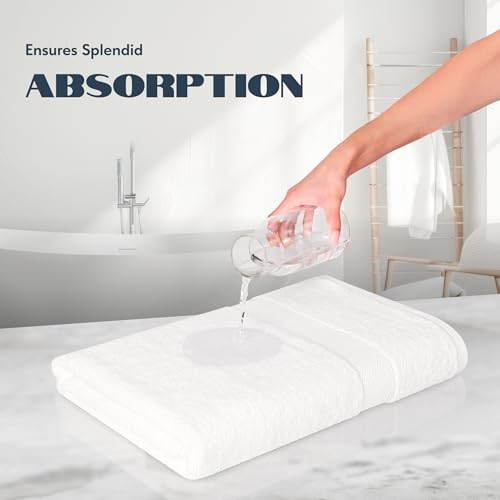
Look for towels that balance absorbent loop surface with reasonable dry time: dense cotton loops and a medium-to-high GSM usually soak up more water, while very lightweight towels dry faster but may feel less capable after a full shower. For humid bathrooms, shared bathrooms, or frequent use, avoid towels that are so thick they stay wet for hours; lingering dampness can lead to odor even if the towel felt luxurious at first. Owner feedback strongly supports absorbency as a key separator, with many buyers saying good sets soak up water well after showers, remain practical for everyday use, and dry well between uses. The main caution is that thinner, lighter towels can be convenient because they dry fast, but some owners wanted a denser, more absorbent feel.
Skin Feel
Towels touch large areas of skin when it is wet and more sensitive, so scratchiness is more noticeable than it is with many other linens. A towel that feels soft only before its first wash is a poor long-term pick.
For body towels, prioritize softness that survives laundering, not just a silky first touch out of the package. Combed, ring-spun, or long-staple cotton constructions tend to feel smoother, while overly coarse loops or low-grade cotton can turn scratchy after repeated wash-and-dry cycles. Owners repeatedly praise better towel sets for feeling soft, plush, fluffy, and comfortable on skin, including after washing and regular use. Some feedback even compares the feel to hotel-style or velvet-like comfort, which shows why hand feel matters so much in this category.
Weight & Loft
Thickness changes the whole ownership experience, from how the towel feels to how long it takes to dry and how many fit in a load. The right weight is not always the thickest one; it is the one that matches the bathroom’s ventilation and the household’s washing habits.
Decide whether you want a medium-weight daily towel or a thick, hotel-style towel before comparing sets. Medium-weight towels are easier to wash, dry, and store, while ultra-plush towels feel more substantial but can take longer to dry and may crowd small linen closets or washer loads. Owner sentiment shows thickness is one of the most divisive areas: many buyers liked towels that fluffed up after washing, but others found some sets closer to midweight than true luxury plush. Feedback also links thickness with absorbency and durability, so do not judge loft by appearance alone; check whether the towel keeps its body after laundering.
Usable Size
Towel labels are not standardized enough to replace measurements. A towel that is too small feels skimpy no matter how soft it is, while one that is too large may be slow to dry or awkward to store.
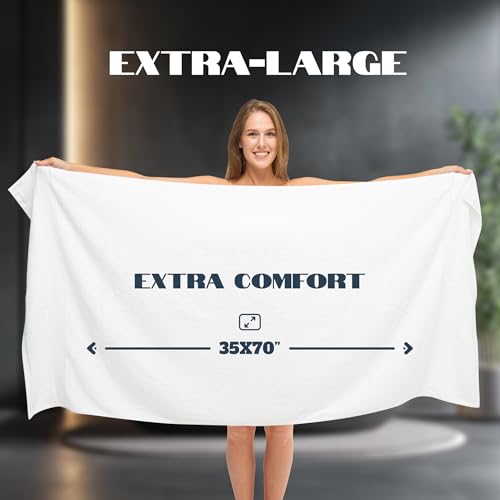
Check actual dimensions, not just whether the item is called a bath towel, bath sheet, hand towel, or washcloth. Taller adults, people who prefer full wrap coverage, and guest bathrooms often benefit from oversized bath towels or bath sheets, while smaller towels may be easier for kids, gym bags, hair drying, or tight storage. Owners consistently call out larger dimensions as a major plus, especially towels that wrap easily around an adult and feel roomier than standard bath towels. Hand-towel dimensions also matter, with buyers appreciating sizes that look right and function well at a sink.
Wash Durability
Towels live a harder life than many linens because they are repeatedly soaked, rubbed, washed, and tumble-dried. Weak hems and unstable loops can turn an initially plush towel into a linty, fraying towel quickly.
Inspect construction details that predict laundry survival: tight terry loops, reinforced hems, even stitching, and edges that do not ripple or unravel. Expect some lint from new cotton towels, but avoid options with repeated heavy shedding, loose loops, early fraying, or hems that fail after a few washes. Owner feedback makes durability and lint the biggest watch-outs: some towels hold up well through frequent washing, while others shed through early washes, lose fluffiness, show loose loops, or start falling apart sooner than expected. Since towels are washed often and dried with heat, long-term construction matters as much as initial softness.
Look & Value
Towels are both functional linens and part of the bathroom’s visible decor. A good buy should look intentional on the rack while still delivering the absorbency and construction needed for daily use.
For visible bathroom towels, evaluate color, finish, and set composition alongside fabric quality. Dark or saturated colors should look even, coordinate with the bathroom, and resist obvious fading or bleeding; white towels should look clean and upscale but may need more stain-conscious care. Owners often praise rich, vibrant colors, true-looking shades, polished presentation, and towels that make a bathroom feel upgraded rather than flimsy. Value sentiment is also strong, but the best value comes from the full package—usable size, softness, absorbency, and finished edges—not simply getting the most pieces in a set.
Don't miss the latest sales on Bath Towels and more. Get the best Black Friday deals today!

1,000,000+ shoppers use Buyer's Guide every week to find the best products and services online.

Helping millions of users make smarter purchases online.