










Our Top Choice
Why These Features Matter:
Tile floors have a special talent: they look clean from across the room and somehow still feel gritty under bare feet. The right mop isn’t the one with the most features on the box — it’s the one that actually fits the way tile gets dirty in real homes: splattered sauce lines near the stove, mystery stickiness around the high chair, dusty grout that collects everything, and that one corner by the trash can that always needs a second pass.
A “best tile mop” is really a set of decisions about friction, water, and inconvenience. Too wet and you’re pushing around a lukewarm puddle that dries into streaks. Too dry and you’re basically petting the floor with a damp napkin. The sweet spot is a mop that can scrub without drama, rinse without a whole sink ritual, and store without becoming an awkward hallway sculpture.
Notable strengths to look for
- Enough scrub for grout, not so much aggression it feels like sanding. Tile itself is forgiving; grout is where the plot thickens. A little texture in the mop head (microfiber loops, short bristles, or a scrub strip) matters more than a thousand “swivel” claims.
- Controlled water, not a slippery flood. Tile shows streaks. It also gets dangerously slick if a mop dumps water unevenly. A mop that lets you dial in dampness — via a good wringer, a spray trigger, or a spin mechanism — keeps floors clean and ankles intact.
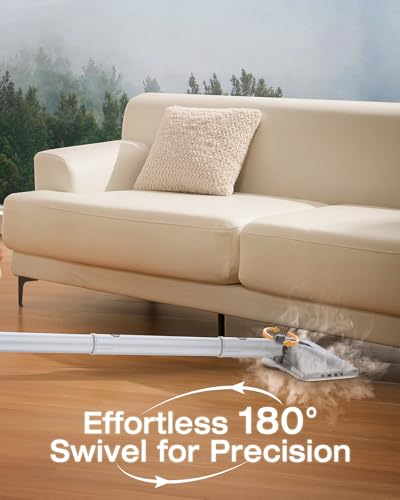
- A head that actually reaches the weird parts. Under-toe-kick reach and baseboard edges are where crumbs go to retire. Look for a low-profile head that lies flatter than you’d expect, and a neck that rotates smoothly without doing that stiff “shopping cart wheel” shimmy.
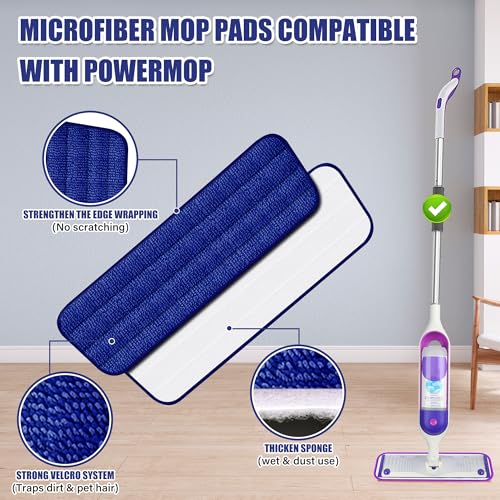
- Easy-on, easy-off pads. If changing the pad requires finger gymnastics or a wrestling match with Velcro, it won’t happen often enough. The best systems make it painless to swap pads mid-clean — because the kitchen pad should not also be the bathroom pad. That’s just manners.
- Washable heads that survive being washed. “Machine washable” is a phrase that can mean anything from “thrives” to “falls apart by week three.” Dense microfiber that doesn’t clump, shed, or get permanently crunchy is the tell.
The mop head: shape, texture, and the feel on the floor
Tile mopping is mostly about contact. Flat mops tend to feel like they’re wiping; string and spin mops feel like they’re washing. Neither is morally superior. Flat microfiber heads are great for quick, frequent cleans — the kind that happen because someone dropped cereal and the dog has opinions. Spin/string styles do a better job with textured tile, deep grout lines, and floors that need a more old-school “rinse the dirt away” approach.
Texture matters, but so does glide. Too much drag and the mop becomes a workout (and not the kind anyone asked for). Too little and it skates over sticky spots like it’s avoiding eye contact. The happiest medium is a head that moves easily but has a scrub zone for dried-on splatter — because tile kitchens are basically splash galleries.
Water control: wringers, spins, sprays — and what they’re actually like to live with
- Wringers (lever or roller): Classic, fast, and usually effective, but they can be messy if they dribble down the bucket. A good wringer gives a consistent dampness so the floor dries without that cloudy haze.
- Spin systems: Great for dialing in how wet the head is, and generally less hand-contact with gross water. The tradeoff: the bucket is often bulky, and the spinning can be louder than expected (especially in echo-y apartments).
- Spray mops: Convenient for small spaces and frequent touch-ups. They’re at their best on sealed tile that doesn’t need a soak. The limitation is capacity — reservoirs run out right when momentum finally shows up — and they’re not always satisfying for heavy grime.
Tile rewards restraint. The goal is damp-clean, not swamp-clean. If a mop system makes it hard to keep the head from getting too wet, expect streaking, slow drying, and that faint “something’s not quite clean” feeling underfoot.
Bucket design: the part nobody wants to think about (until it’s awful)
Bucket quality is the difference between “cleaning happened” and “cleaning became an event.” The best buckets are stable, easy to fill without sloshing, and easy to empty without a backbend. Little details matter: a handle that doesn’t bite into fingers, a lip that pours without dribbling, and a footprint that doesn’t require re-arranging the entire utility closet.
Some buckets try to do too much — multiple chambers, complicated inserts, hinged parts that trap grime. Simple is often better, as long as it’s not flimsy. A bucket that flexes when it’s full is a small heartbreak every time.
Handle comfort: weight, height, wobble, and that one squeak
A tile mop handle should feel sturdy without feeling like it belongs in a gym. Lightweight is good until it’s flimsy; heavy is fine until it’s wet and you’re maneuvering around chair legs like it’s a maze. Adjustable height is helpful for shared households — and anyone who’s ever cleaned a floor while hunched like a question mark.
Pay attention to the joint where the head meets the handle. Cheap joints wobble, click, or squeak, turning a calm chore into a percussion performance. A smooth swivel that holds its angle is the difference between “quick pass” and “why is this so irritating.”
Noise level: a surprisingly real factor
Some mops are loud in ways that feel personal: clacky plastic joints, rattly buckets, spin mechanisms that sound like an appliance powering up. Quiet matters in small spaces, early mornings, nap times, and households with noise-sensitive pets who interpret cleaning as a threat.
Microfiber flat mops tend to be quieter. Spin systems can be noisier — not intolerable, just… conspicuous. If the dream is to tidy the kitchen without announcing it to the entire building, keep an ear on the mechanics.
Storage: where the mop lives when it’s not being heroic
- Compact footprint: If the bucket blocks the broom closet, it will end up in the hallway like a passive-aggressive roommate.
- Hanging options: A looped handle or a wall hook-friendly shape helps in small apartments.
- Heads that dry quickly: A mop that stays damp too long starts to smell like a forgotten gym bag. Airflow matters. So does being able to remove the head easily and let it dry properly.
One honest truth: the best mop is the one that’s easy to put away. If storage is annoying, cleaning gets postponed. And tile floors do not forgive procrastination — they just get grittier.
Cleaning solution compatibility: the streak situation
Tile is picky about residue. Some cleaners leave a film that grabs dirt faster, which feels like betrayal. A mop that works well with plain warm water (and occasional gentle cleaner) is usually a good sign, because it means the pad is doing the work, not the fragrance.
If using a spray mop, avoid systems that strongly imply a proprietary cleaner is required — not because it never works, but because running out at the wrong moment is a uniquely modern inconvenience.
Things to know before choosing
- Sealed vs. unsealed grout: Unsealed grout stains more easily and often needs more targeted scrubbing. A mop with a scrub strip or the ability to apply pressure without collapsing is helpful.
- Textured tile: Looks gorgeous, holds onto grime. String/spin styles or more textured microfiber tends to pull more out of crevices.
- Open floor plans: Bigger space = more rinsing. A bucket system that makes rinsing easy will feel less like punishment.
- Small kitchens: Flat mops and spray mops win on maneuverability. Bulky buckets can be overkill if the floor is mostly maintained with frequent quick cleans.
Honest caveats (because tile mops are not magical)
- No mop replaces spot-scrubbing forever. Dried marinara, sticky syrup, and mystery goo near the fridge usually need a few seconds of focused attention — sometimes with a towel underfoot and mild annoyance.
- Microfiber pads need care to stay good. Fabric softener is basically microfiber sabotage. Pads washed incorrectly start pushing grime around instead of lifting it.
- Too much water can make tile look worse. If floors streak, it’s often the mop being too wet or the cleaner leaving residue — not the tile having a personality.
- “One pad fits all” is a myth. A kitchen pad, a bathroom pad, and a “mudroom disaster” pad will keep life civilized.
Quick guidance: matching a mop style to the way you actually live
- Busy household, constant crumbs, frequent quick cleans: A flat microfiber mop with easy pad swaps and a good wringing method (or a spray function) keeps things under control without turning into a production.
- Big tile areas, pets, tracked-in grit: A rinse-and-wring or spin setup feels more satisfying because it removes dirt from the head instead of redepositing it across the room.
- Tight storage, minimal closet space: Prioritize a slim profile, lightweight handle, and a head that comes off to dry. Anything bulky will end up in the way, and then it will be resented.
- Textured tile or dramatic grout lines: Look for more agitation — scrub zones, textured fibers, or a mop that can handle a little downward pressure without feeling like it’s buckling.
The real “best”: the mop you’ll use on a Tuesday
The tile mop that earns its keep is the one that doesn’t ask for ceremony. It moves easily around chair legs, handles the sticky square foot in front of the sink, and doesn’t leave the floor looking like it just hosted a juice tasting. It stores without sulking, dries without smelling weird, and makes the room feel immediately better — that small domestic pleasure that says, yes, this is a functioning home, even if there are still crumbs under the banquette.
1,000,000+ shoppers use Buyer's Guide every week to find the best products and services online.

Helping millions of users make smarter purchases online.

