





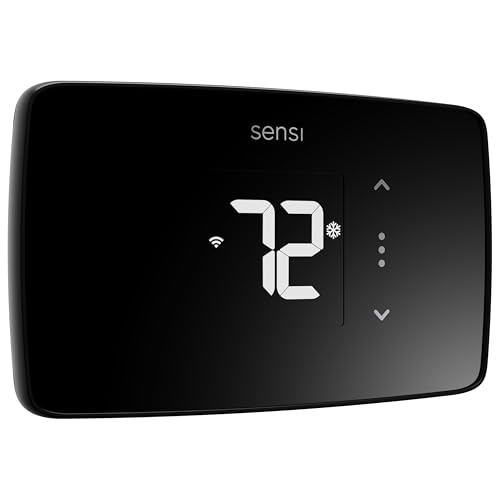
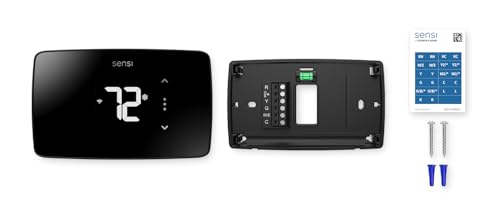



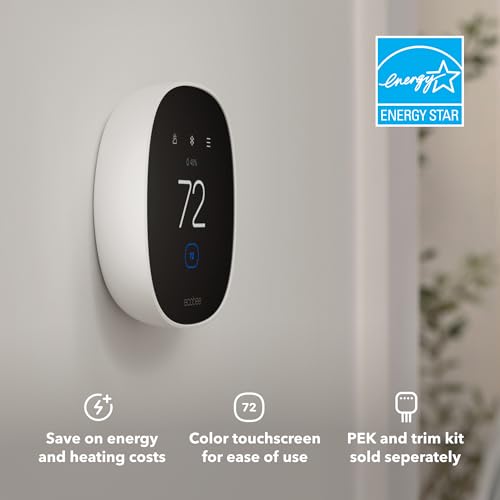
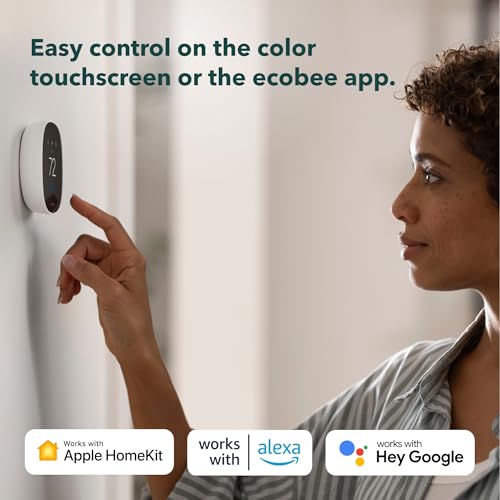


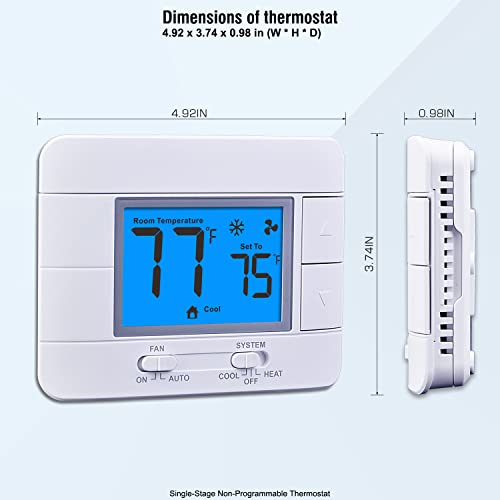


We also considered 10 others:


Our Top Choice
Compare Features


The order above is not editorial opinion, and it is not paid placement. It comes from what shoppers across our network actually do - which thermostats for house they compare, and which they ultimately buy. We re-rank as new data comes in, so the long-term favorites have to keep earning their spot against new entrants. The full method, including how we make money.
Thermostats For House Buyer's Guide
A house thermostat has to match the HVAC equipment behind the wall as much as the preferences of the people using it. The sharpest concerns are wiring and system compatibility—especially C-wire power, heat-pump/aux-heat support, staging, and low-voltage versus line-voltage control—plus whether the interface stays simple enough for everyday use.
Reliability
A smart thermostat needs to work quietly and consistently because a glitch can mean uncomfortable rooms, missed schedules, or unnecessary HVAC strain. Look for solid build quality, dependable power or battery performance, and owner feedback that points to long-term reliability rather than frequent disconnects, frozen screens, or battery-related surprises. The best choice should give you peace of mind that your heating and cooling will respond when you need it.
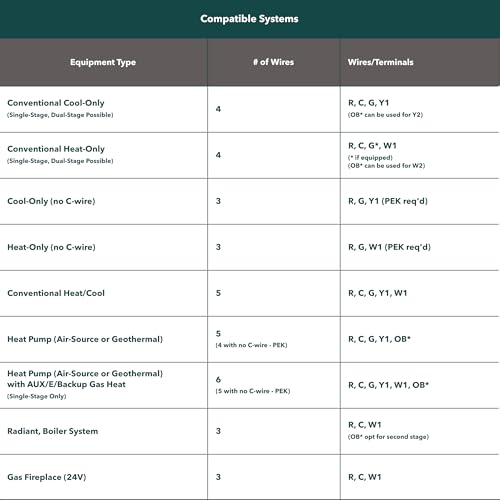
For a house thermostat, reliability starts with matching the control type to your HVAC system: verify 24V low-voltage vs line-voltage, conventional furnace/AC vs heat pump, number of heating and cooling stages, auxiliary/emergency heat, dual-fuel setups, and whether accessories like humidifiers or ventilators need terminals. Avoid any unit that cannot clearly support your system’s staging or power needs, because misapplied thermostats can cause short cycling, disabled backup heat, or unreliable operation even if the screen and app work fine. Owner feedback supports choosing proven, straightforward models: buyers often praise simple programmable and basic heat/cool thermostats for being dependable, easy to read, easy to program, and solid over time without unnecessary complexity.
Ease
You’ll interact with a smart thermostat often, so it should be simple to adjust the temperature, understand the screen, and find key settings without digging through menus. Look for clear controls, readable displays, and an app that makes schedules, modes, and remote changes easy; watch out for cluttered interfaces or confusing setup steps that can make daily use frustrating.
Ease of use should be judged by who will actually adjust the house day to day: look for large readable numbers, physical or obvious on-screen up/down controls, a clear hold/temporary-hold function, and a schedule that can be edited without hunting through menus. If older adults, guests, renters, or less tech-focused family members use the thermostat, do not rely solely on an app; make sure the wall unit remains understandable during Wi-Fi outages or phone changes. Owner sentiment backs this up, with shoppers valuing app-led setup, visible displays, usable touchscreens, large backlit numbers, simple phone adjustments from another room, and controls that feel approachable even for less technical users.
Features
Features matter because they determine whether your smart thermostat actually makes daily temperature control easier, not just more connected. Look for an app with reliable remote control, clear scheduling, useful automation, and enough customizability to fit your routine; watch out for systems that hide key functionality behind confusing menus, require extra sensors or subscriptions for basic conveniences, or limit control when your internet connection is down.
Pick features around your HVAC and household habits, not the longest spec list: basic heat/cool homes may only need reliable manual or programmable control, while heat pumps may need aux-heat lockout/balance settings, and larger or uneven homes may benefit from remote room sensors. Smart features worth checking include scheduling, remote access, geofencing, filter reminders, humidity display or control, keypad lock, vacation mode, and compatibility with your preferred smart-home platform; avoid app-heavy models if you mainly want set-it-and-forget-it operation. Owner feedback shows many buyers are happiest when the feature set matches the job: basic no-frills units are praised for steady comfort without app complexity, while connected models earn approval when scheduling, app control, and flexible HVAC configuration work reliably.
Temperature
You want a smart thermostat that can hold your home close to the temperature you set, not just react after rooms have already become too hot or cold. Look for reliable temperature monitoring, accurate sensors, and options for remote or room-based readings if parts of your home vary widely. If you have pets, children, or temperature-sensitive belongings, watch for alerts and safeguards that warn you when the indoor temperature moves outside a safe range.
For temperature control, check the thermostat’s swing/deadband, cycles-per-hour settings, calibration adjustment, and sensor strategy, because a house can feel uncomfortable if the thermostat overshoots, short cycles, or reads heat from sunlight, drafts, appliances, or an exterior wall. Heat pumps, radiant heat, and high-efficiency systems especially need compatible cycle and recovery behavior; overly aggressive control can waste energy or trigger backup heat unnecessarily. Owner reports support prioritizing stable control: many buyers say good units hold a steady temperature, respond quickly to changes, keep the home comfortable, and make remote adjustments easy, though some feedback is mixed when a thermostat does not consistently maintain the set comfort level.
Installation
Installation matters because a smart thermostat has to match your existing HVAC wiring, wall opening, and system type before any app features are useful. Look for clear compatibility guidance, an included or optional wall plate if you’re replacing a larger old unit, and setup steps you’re comfortable handling; watch out for systems that require extra wiring, adapters, or a professional installer.
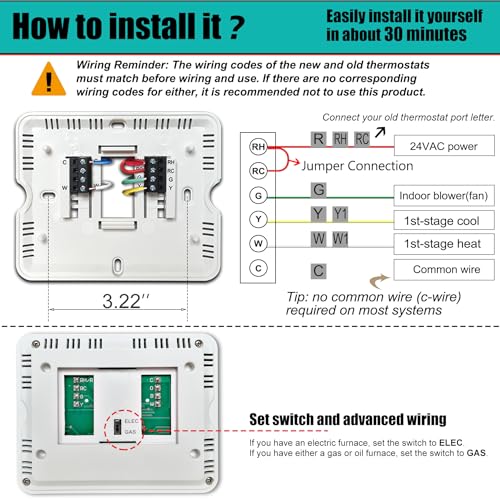
Before buying, remove the old thermostat cover and document every wire and terminal label; choose by terminal requirements, not wire color. Confirm whether you have a C wire for smart thermostats, whether a power adapter is acceptable for your furnace board, and whether your system is low-voltage—line-voltage baseboard or high-voltage fan-coil systems need a different class of thermostat and should not be connected to a typical smart wall thermostat. Owner sentiment reinforces that installation is usually smooth only when compatibility is right: buyers describe quick DIY replacement, clear app-led directions, manageable wiring support, and simple terminal matching, especially when the needed common wire is already available.
Value
A smart thermostat should justify its cost through reliable comfort, useful automation, and energy-saving features you’ll actually use. Look for value for money in models that make scheduling, remote control, and efficiency insights easy, and be cautious of paying extra for features that don’t fit your home, HVAC system, or daily routine.
Value in a house thermostat is less about buying the most advanced model and more about avoiding hidden costs: a low-cost unit can be the better buy for a simple furnace/AC system, while a smart model only pays off if its wiring, HVAC compatibility, scheduling, and remote-control features fit your home. Factor in possible costs for a C-wire adapter, professional wiring help, wall repair or trim plates, remote sensors, and whether you will actually use automation features. Owner feedback aligns with this practical approach: shoppers frequently see strong value in inexpensive replacements that keep working well, and they also appreciate connected thermostats when useful features like scheduling, app control, and flexible HVAC setup are included without unnecessary extras.
1,000,000+ shoppers use Buyer's Guide every week to find the best products and services online.

Helping millions of users make smarter purchases online.


