



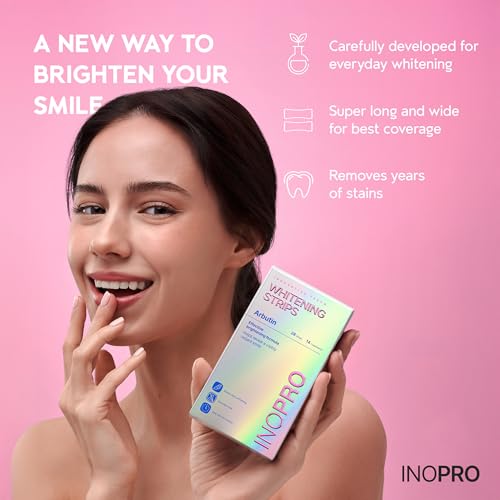





We also considered 10 others:


Our Top Choice
Compare Features


The order above is not editorial opinion, and it is not paid placement. It comes from what shoppers across our network actually do - which teeth whitening for smokers they compare, and which they ultimately buy. We re-rank as new data comes in, so the long-term favorites have to keep earning their spot against new entrants. The full method, including how we make money.
Teeth Whitening Treatments for Smokers Buyer's Guide
Whitening for smokers is a tougher job than general brightening because tar and nicotine stains tend to be darker, more uneven, and quicker to return. The sharpest buying concerns are choosing enough stain-lifting contact time without aggravating gums or sensitivity, and making sure the routine is realistic enough to maintain between smoking-related restaining.
Whitening
Visible whitening is the main reason you’re buying a teeth whitener, so look for options that can lift common surface stains and produce a noticeable brightness change without requiring unrealistic expectations. Pay attention to whether results are described as gradual or fast, how long the treatment needs to be used, and whether it targets everyday staining from coffee, tea, wine, or tobacco. Be wary of vague “instant” claims that may rely more on temporary optical effects than meaningful stain removal.
For smokers, the key question is whether the whitener can handle tar and nicotine discoloration rather than only light surface dullness. Look for peroxide-based systems with enough contact time, well-fitting strips or trays that reach near the gumline, and clear treatment schedules; pens can help touch up edges or isolated stains but may be less suitable as the only treatment for heavy, long-set tobacco staining. Owner feedback supports that at-home kits, strips, trays, and pens can produce visible brightening within the first few uses, and buyers often report success on stubborn beverage stains, which is relevant because smoker staining is similarly persistent but often deeper and more uneven.
Sensitivity
Sensitivity matters because whitening ingredients can irritate teeth or gums, especially if you already have sensitivity, recession, or enamel wear. Look for options described as gentle on teeth, follow the recommended wear time or frequency, and watch out for strong bleaching formulas or abrasive ingredients that may increase discomfort.
Smokers should be especially careful with sensitivity because tobacco use is often associated with gum recession, exposed roots, dry mouth, and irritated gum tissue, all of which can make whitening feel harsher. Choose lower-sensitivity formulas, shorter wear times, desensitizing or remineralizing add-ons, and avoid letting gel sit on the gums; if you have bleeding gums, loose teeth, white or red oral patches, or untreated decay, get a dental check before whitening. Owner sentiment backs this priority: many buyers praise gentler strips, peroxide-free options, powders, mouthwashes, and whitening formulas for reducing pain, gum irritation, and tooth sensitivity compared with harsher whitening products.
Ease
Ease of use matters because a teeth whitener only helps if you can apply it consistently and correctly without dreading the process. Look for clear instructions, a comfortable application method, and a formula that stays where it should; watch out for messy gels, awkward trays or strips, and routines that take more time or cleanup than you’re likely to stick with.
The best smoker-focused routine is one you can use consistently without smoking, eating, or drinking during and shortly after treatment, since fresh tobacco exposure can quickly re-stain teeth and reduce results. Prioritize low-mess strips, prefilled trays, brush-on pens, or tray gels that fit your daily schedule, and check whether the system requires dry teeth, timed sessions, rinsing, or cleanup; complicated setups are easier to abandon during a multi-week stain-removal plan. Owner feedback supports that simple pens, prefilled trays, cordless lights, clear instructions, and products that fit into brushing routines make regular use easier.
Value
Value matters because teeth whiteners vary widely in how many treatments you get and how noticeable the results are. Look for enough strips, trays, gel, or applications to complete a full whitening cycle, and be wary of options that seem cheap but require frequent repurchasing or deliver only minimal shade change. A good value for money balances effective whitening, comfortable use, and a quantity that matches your needs.
For smokers, value is not just the upfront cost; it is whether the kit includes enough applications for an initial stain-lifting phase plus maintenance, because ongoing tobacco use usually means stains return faster. Shoppers with heavy staining may get better value from reusable trays with refill gel, while light smokers or recent quitters may do fine with strips or pens for touch-ups; also factor in whether a professional cleaning is needed first to remove tartar that whitening cannot bleach. Owner sentiment suggests many buyers view at-home whitening as a strong value when it delivers visible results compared with professional whitening, and refill gels are especially appreciated by people who already have trays.
Taste
You’ll be keeping a teeth whitener in your mouth long enough that taste and texture can strongly affect whether you actually stick with the routine. Look for a flavor and mouthfeel you can tolerate without gagging, burning, excessive foaming, or a lingering chemical aftertaste. If you’re sensitive to strong mint, peroxide-like flavors, or sticky gels, choose a format that feels comfortable for repeated use.
Taste matters more than it seems for smokers because strong chemical flavors, alcohol burn, or lingering residue can make an already dry or irritated mouth feel worse and discourage consistent use. Look for mild mint or neutral flavors, avoid formulas that feel caustic or leave a harsh aftertaste, and remember that a pleasant flavor should not be mistaken for treatment of smoke breath, gum inflammation, or oral-health problems. Owner feedback supports this: buyers tend to prefer mild mint, coconut-like, fresh, or low-aftertaste formulas and describe them as easier to tolerate during repeated use.
Quality
Quality matters because a teeth whitener should feel consistent, well-made, and easy to use without messy strips, leaking pens, uneven trays, or formulas that seem poorly controlled. Look for clean packaging, clear instructions, reliable application, and materials or gels that stay where they should; watch out for products that feel flimsy, dry out quickly, apply unevenly, or leave you guessing about safe use.
Quality for smoker whitening means controlled gel placement, dependable adhesion, ingredient transparency, and features that protect gums while treating uneven stain zones near the gumline and between teeth. Favor products that clearly state active ingredients, wear time, and enamel-safety guidance; be cautious with overly abrasive powders, vague “instant whitening” claims, or LED systems that imply the light alone removes tobacco stains. Owner sentiment supports higher-quality impressions when kits feel polished and mess-free, include targeted applicators, remineralizing or desensitizing components, and are comfortable enough for repeated use or travel.
1,000,000+ shoppers use Buyer's Guide every week to find the best products and services online.

Helping millions of users make smarter purchases online.


