


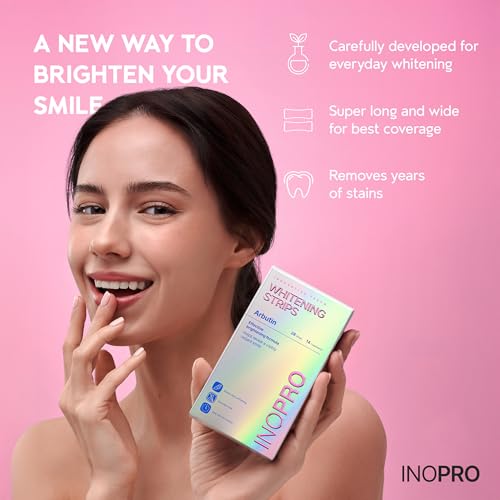


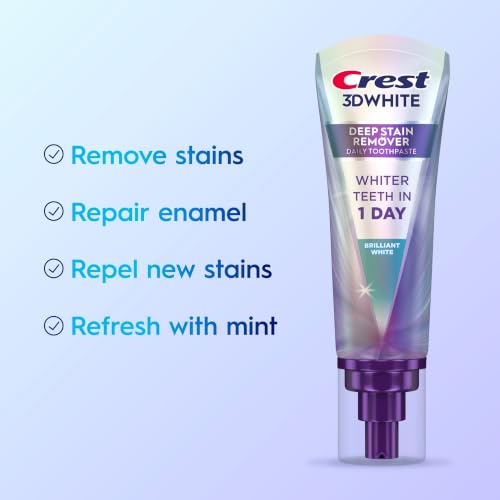


We also considered 10 others:


Our Top Choice
Compare Features


The order above is not editorial opinion, and it is not paid placement. It comes from what shoppers across our network actually do - which teeth bleaching they compare, and which they ultimately buy. We re-rank as new data comes in, so the long-term favorites have to keep earning their spot against new entrants. The full method, including how we make money.
Teeth Bleaching Buyer's Guide
Teeth bleaching is a tradeoff between stain-lifting power and keeping peroxide or other whitening agents off sensitive teeth and gums. The sharpest checks are whether the product can contact your natural enamel evenly, whether you have restorations that will not change color, and whether the formula and wear time match your sensitivity risk.
Whitening
Visible whitening is the main reason you’re buying a teeth whitener, so look for options that can lift common surface stains and produce a noticeable brightness change without requiring unrealistic expectations. Pay attention to whether results are described as gradual or fast, how long the treatment needs to be used, and whether it targets everyday staining from coffee, tea, wine, or tobacco. Be wary of vague “instant” claims that may rely more on temporary optical effects than meaningful stain removal.
Prioritize the stain type and your dental work before judging any whitening claim: peroxide-based gels, strips, and trays are best for extrinsic stains from coffee, tea, wine, and tobacco, but they will not whiten crowns, veneers, bonding, fillings, or exposed root surfaces. Check the active ingredient, wear time, and whether the format keeps gel evenly against the front teeth; uneven strip contact, overfilled trays, or brush-on formulas that wash away quickly can leave patchy results. Owner feedback supports that at-home bleaching can produce visible brightening within the first few uses, especially on coffee, tea, and wine stains, with many shoppers reporting noticeably whiter teeth after only a couple to several treatments.
Ease
Ease of use matters because a teeth whitener only helps if you can apply it consistently and correctly without dreading the process. Look for clear instructions, a comfortable application method, and a formula that stays where it should; watch out for messy gels, awkward trays or strips, and routines that take more time or cleanup than you’re likely to stick with.
Choose the application format around your mouth shape, schedule, and mess tolerance: prefilled trays are convenient but may fit poorly on small mouths or crowded teeth; strips are simple but can miss rotated teeth or gumline areas; pens are precise for touch-ups but need dry teeth and discipline to avoid saliva dilution; refill gels work best if you already have well-fitting trays or aligners that are safe to use with whitening gel. Avoid any routine you cannot follow exactly, because too much gel, too long a session, or inconsistent contact can increase irritation without improving results. Owners commonly describe timed sessions, cordless lights, twist-brush pens, prefilled trays, and tray-compatible gels as straightforward and easy to fit into daily routines, with low-mess formats standing out for convenience.
Sensitivity
Sensitivity matters because whitening ingredients can irritate teeth or gums, especially if you already have sensitivity, recession, or enamel wear. Look for options described as gentle on teeth, follow the recommended wear time or frequency, and watch out for strong bleaching formulas or abrasive ingredients that may increase discomfort.
If you have recession, thin enamel, cracks, untreated cavities, gum disease, or a history of zingers from whitening, shop for lower-strength formulas, shorter wear times, desensitizing ingredients, and clear limits on frequency; do not assume “stronger” is better. Gum contact is a major failure point, so look for controlled dosing, non-slip strips or trays, and instructions that warn against overfilling or sleeping in products not designed for overnight use. Owner sentiment is encouraging here: many buyers report whitening without throbbing, gum irritation, or major tooth pain, especially with gentler, peroxide-free, low-sensitivity, or remineralizing/desensitizing options, while others note sensitivity stays manageable when they avoid excess gel and overlong sessions.
Value
Value matters because teeth whiteners vary widely in how many treatments you get and how noticeable the results are. Look for enough strips, trays, gel, or applications to complete a full whitening cycle, and be wary of options that seem cheap but require frequent repurchasing or deliver only minimal shade change. A good value for money balances effective whitening, comfortable use, and a quantity that matches your needs.
Assess value by usable treatments and fit, not just the box count: strips that do not adhere, trays that leak, pens that dry out, or gels used in ill-fitting trays can waste product and increase irritation. If you already have dentist-made trays, refill syringes may be the most efficient maintenance route; if you need full setup, make sure the kit includes enough gel or strips for a complete course plus clear instructions for touch-ups. Owners often view at-home bleaching as a strong value when it delivers visible whitening for far less than an in-office visit, and they especially appreciate larger gel quantities, multi-strip packs, and refills that maintain results without paying for another professional treatment.
Quality
Quality matters because a teeth whitener should feel consistent, well-made, and easy to use without messy strips, leaking pens, uneven trays, or formulas that seem poorly controlled. Look for clean packaging, clear instructions, reliable application, and materials or gels that stay where they should; watch out for products that feel flimsy, dry out quickly, apply unevenly, or leave you guessing about safe use.
Quality in teeth bleaching is mainly about controlled delivery, stable formula, and safety support: look for sealed syringes or strips that do not dry out, trays that distribute gel thinly and evenly, pens that dispense predictably, and extras like desensitizing or remineralizing gel if your teeth are reactive. Be cautious with vague “professional strength” claims that do not disclose active ingredients or wear times, and avoid kits that encourage excessive frequency or ignore gum protection. Owners tend to equate higher quality with formulas that feel closer to dentist-style whitening, stronger at-home performance without seeming gimmicky, practical packaging that keeps gel usable, and comfort-focused additions such as targeted pens and remineralizing or desensitizing steps.
Taste
You’ll be keeping a teeth whitener in your mouth long enough that taste and texture can strongly affect whether you actually stick with the routine. Look for a flavor and mouthfeel you can tolerate without gagging, burning, excessive foaming, or a lingering chemical aftertaste. If you’re sensitive to strong mint, peroxide-like flavors, or sticky gels, choose a format that feels comfortable for repeated use.
Taste matters because bleaching products sit against teeth long enough for flavor, foaming, or sweetness to affect compliance; if you gag easily, have dry mouth, or dislike lingering sweeteners, avoid heavily flavored gels and oversized trays that push product toward the throat. Mild mint or low-aftertaste formulas are usually easier to complete, but flavor should never mask burning, gum irritation, or accidental swallowing from too much gel. Owner feedback suggests taste is usually tolerable when flavors are mild, minty, coconut-like, or not harsh, though it is one of the more personal dimensions, with some shoppers disliking sweet or unusual flavors during treatment.
Don't miss the latest sales on Teeth Bleaching and more. Get the best Black Friday deals today!

1,000,000+ shoppers use Buyer's Guide every week to find the best products and services online.

Helping millions of users make smarter purchases online.