


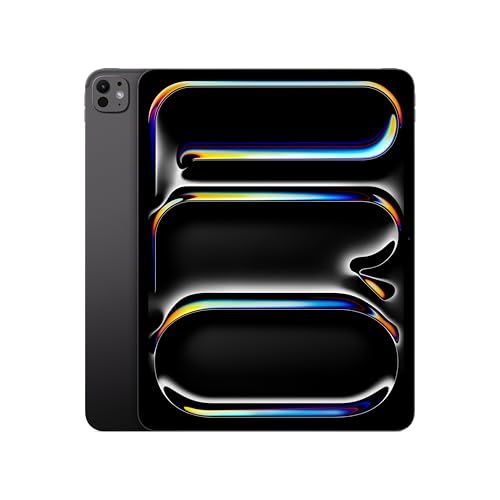
- Screen: 13"
- Resolution: 2752 x 2064
- Processor: Apple M5 9-core
- Storage: 512GB
- Battery Life: Up to 10 hours
- Camera: 12MP front and rear
- Operating System: iPadOS





Apple 13-inch
Overview and Everyday Experience

The Apple 13-inch category has become a sweet spot for people who want a laptop that feels genuinely portable without giving up the comfort of a full keyboard, a precise trackpad, and a screen size that can handle real work. For many buyers, this size is the “take it everywhere” option: it slides into a backpack easily, doesn’t feel cumbersome on a small café table, and is light enough that you won’t dread carrying it from meeting to meeting. Apple tends to pair the 13-inch format with solid build quality, tight hardware and software integration, and a design that prioritizes a clean, minimal aesthetic. That combination is a big part of why these machines often feel more premium than their dimensions might suggest.
In day-to-day use, the best 13-inch Apple laptops shine when you’re switching between tasks: writing, browsing with many tabs open, video calls, note-taking, light photo editing, and streaming. macOS generally remains smooth under typical workloads, and Apple’s trackpads are still among the best for gestures and accuracy, which matters more than many people expect once they get used to it. The screen experience is another highlight. Color, brightness, and viewing angles tend to be strong, so reading text for long stretches is comfortable, and creative work like basic photo or design tasks can be done with confidence. Speakers are usually better than you’d anticipate for a compact laptop, making them pleasant for casual listening and calls, even if they won’t replace dedicated audio gear.
Where expectations should be managed is in the relationship between size and flexibility. The 13-inch form factor is optimized for mobility, which can mean fewer ports, a smaller display area for multitasking compared with larger models, and less headroom for sustained heavy workloads like long 4K video renders or massive 3D scenes. That doesn’t mean the Apple 13-inch can’t do demanding tasks, but it does mean you should be clear about what “demanding” looks like for you and how often you’ll do it. If your day is mostly productivity, communication, and moderate creative work, the 13-inch experience can feel close to ideal.
What to Consider Before Buying
The most important factor for most people is performance for their real workload, not an imagined one. If you primarily use web apps, office tools, email, messaging, and streaming, you’ll benefit more from sufficient memory and smooth system responsiveness than from chasing the highest theoretical performance. If you do creative work, consider what kind. Photo editing, occasional short video projects, and music production can be very comfortable on a 13-inch Apple laptop, but sustained professional video editing, heavy effects, or long exports can push a smaller machine harder, potentially affecting how quickly it finishes and how warm it feels. A practical approach is to estimate how frequently you do those heavier tasks; if it’s occasional, the 13-inch may still be the best balance.
Memory and storage are often the most consequential configuration choices because they shape how the laptop feels over several years. Memory affects how well the machine handles multiple apps and dozens of browser tabs at once. If you regularly multitask, use creative apps, or keep many things open, more memory is usually a better long-term decision than extra storage. Storage capacity affects how much you can keep locally, including photos, videos, offline files, and large applications. If you live in cloud storage and stream most media, you can often manage with less. If you handle large media libraries or work files, storage can become a daily friction point. Since upgrades after purchase are typically limited, it’s worth deciding up front which limitation would annoy you more in two to four years: running out of space, or running out of breathing room while multitasking.
Battery life is another major factor and one that can change your relationship with a laptop. A 13-inch Apple laptop is often chosen specifically because it can be an all-day companion. Still, real-world battery performance depends on brightness, video calls, and the kinds of web apps you run. If your routine includes frequent video conferencing, high screen brightness, or multiple external peripherals, it’s wise to assume battery life will be lower than the best-case claims. The good news is that even reduced real-world battery life can still be strong compared with many alternatives, which makes the 13-inch Apple option appealing for students, commuters, and hybrid workers.
Display preference is more personal than it seems. Some users prioritize crisp text and comfortable readability for writing or coding, while others care most about brightness and color for media and creative tasks. If you often split your screen between two documents or keep chat and a main app side by side, the 13-inch size can feel slightly tight. In that scenario, an external monitor at home or the office can transform the experience, making the 13-inch laptop the portable brain of a bigger desk setup. If you rarely use an external display and frequently multitask, screen size becomes a more important buying factor.
Ports and connectivity can be a deciding factor depending on your accessories. If you regularly connect SD cards, HDMI displays, USB-A devices, or wired audio gear, you may need adapters or a hub. Some people don’t mind that at all, especially if they already live in a mostly wireless world. Others find dongles annoying, easy to forget, or inconvenient during travel. Before buying, it helps to list what you plug in weekly, not what you plug in once a year. If you routinely connect a monitor, external drive, and wired peripherals, make sure the port situation matches your habits.
Finally, price and longevity matter. Apple laptops tend to hold value well, but the initial cost can be higher. A good way to evaluate value is to consider how many years you plan to keep the laptop and how much daily time you’ll spend on it. If it’s your primary machine for work or school, comfort and reliability have outsized importance. If it’s a secondary device, you may prioritize price and portability over premium upgrades. In many cases, the most important purchase decision is choosing a configuration that avoids regret later, especially around memory and storage.
Common Questions
Is a 13-inch Apple laptop big enough for productivity work?
For most users, yes. Writing, spreadsheets, email, research, and everyday multitasking are well suited to a 13-inch screen. If you often need multiple documents visible at once, pairing it with an external monitor at your desk can make it feel like a full workstation.
What configuration matters more: memory or storage?
Memory tends to affect daily responsiveness and multitasking more directly, while storage affects how many files and apps you can keep locally. If you routinely keep many apps and tabs open, prioritize memory. If you work with large media files locally, prioritize storage.
Will I need adapters for accessories?
Possibly, depending on what you connect. If your workflow includes USB-A drives, HDMI displays, or SD cards, plan for a hub or adapters. If you mostly use cloud storage, wireless peripherals, and modern USB-C accessories, you may not need much extra.
Is the 13-inch size good for travel and commuting?
Yes, that’s one of its biggest strengths. The smaller footprint makes it easy to carry and use in tight spaces, and battery life is typically strong enough for long stretches away from an outlet, especially for lighter tasks.
In summary, the Apple 13-inch format is a compelling choice for anyone who wants premium portability without sacrificing the fundamentals that make a laptop enjoyable to use. The most important factors to weigh are your real performance needs, how much memory and storage will keep the laptop feeling smooth over time, and whether the screen size and port selection fit your daily habits. If those align with your workflow, the 13-inch Apple experience can be one of the most satisfying, dependable ways to work and create on the go.