




















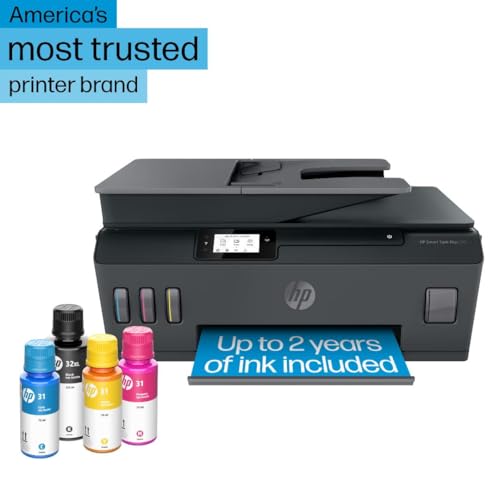


We also considered 10 others:







Our Top Choice
Compare Features
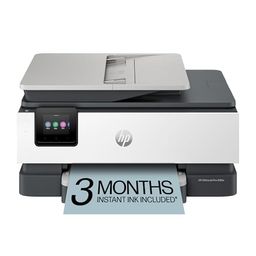


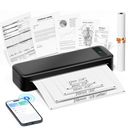
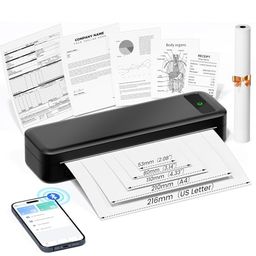


The order above is not editorial opinion, and it is not paid placement. It comes from what shoppers across our network actually do - which student printers they compare, and which they ultimately buy. We re-rank as new data comes in, so the long-term favorites have to keep earning their spot against new entrants. The full method, including how we make money.
Student Printers Buyer's Guide
Student printers have to balance deadline-ready document output with cramped dorm space, unreliable shared Wi-Fi, and irregular use between assignments. The sharpest concerns are whether the printer will connect when campus networks are awkward and whether it can produce readable essays, forms, and study materials without slowdowns or maintenance surprises.
Quality
Print quality determines how sharp your text looks, how clear fine details appear, and how accurately colors reproduce in photos, graphics, and presentations. You’ll want to look for crisp lettering, smooth gradients, consistent color, and minimal banding or smudging, while remembering that results can vary by paper type, ink or toner, and print settings.
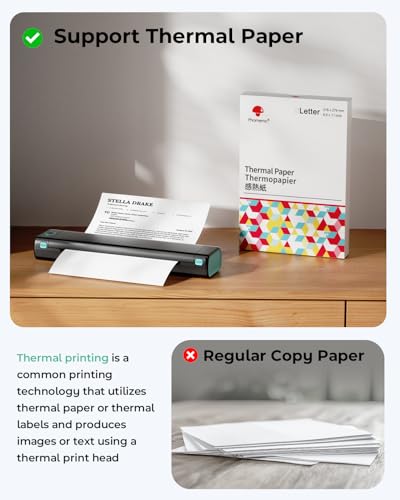
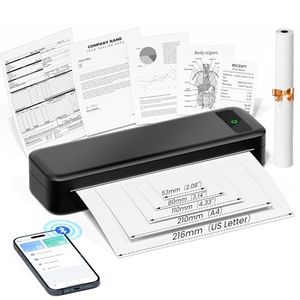
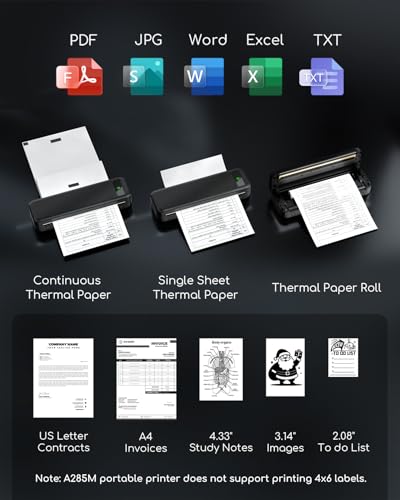
For students, prioritize crisp black text, clean PDF handouts, and readable scans over photo features unless your coursework specifically needs color graphics or images. If you mainly print essays, readings, lab sheets, shipping labels, or forms, look for sharp document output and avoid novelty mini printers as your only printer because they are better suited to labels, notes, and stickers than full academic submissions. Owner feedback supports this split: many buyers praise sharp, crisp text, clear everyday documents, strong color output, and easy all-in-one maintenance, while small portable models are liked most for quick labels, stickers, notes, forms, and simple line work.
Speed
Print speed matters if you often produce long documents, multiple copies, or last-minute pages, because a slow printer can turn small tasks into bottlenecks. Look beyond the headline pages-per-minute rating and consider how quickly the first page comes out, whether speed drops for color or duplex printing, and how well the printer handles larger files without long processing delays.
If you often print right before class, choose a model known for fast plain-document output, not just acceptable occasional printing. Compact laser-style document printers are usually the safer student choice for long essays and readings, while photo-heavy inkjet jobs, scanning batches, or mobile app workflows can feel slow; portable thermal models can be quick for one-off forms and labels but are not ideal for large packets. Owner sentiment lines up with that: buyers praise fast routine document printing and quick inkless jobs, but also report slow output, cropped mobile photo jobs, and disappointing print or scan speed on some all-in-one setups.
Reliability
A reliable printer saves you time and frustration by completing jobs without frequent paper jams, error messages, dropped connections, or half-printed pages. Look for signs that it handles your typical workload and paper types consistently, and watch out for models with complaints about misfeeds, stalled print queues, or needing frequent resets.
For a student printer, reliability means surviving weeks of no use, sudden finals-week print bursts, dorm moves, and multiple devices without turning into a troubleshooting project. Look for stable paper feeding, dependable cartridges or tanks, a USB or direct-print fallback, and minimal dependence on one phone app or cloud service; be cautious if users report failed printheads, cartridge validation problems, jobs that will not start, or units that work briefly then develop issues. Owner reports are mixed: some printers handle big jobs and practical tasks smoothly, but others have inconsistent setup, short-term problems, software-dependent failures, and uneven long-term quality.
Connectivity
Connectivity determines how easily you can print from the devices you actually use, whether that’s a computer, phone, tablet, or shared office network. Look for reliable Wi-Fi, useful wired options if you need stability, and straightforward mobile or app setup; watch out for printers that are finicky to pair, drop off the network, or require awkward workarounds for everyday printing.
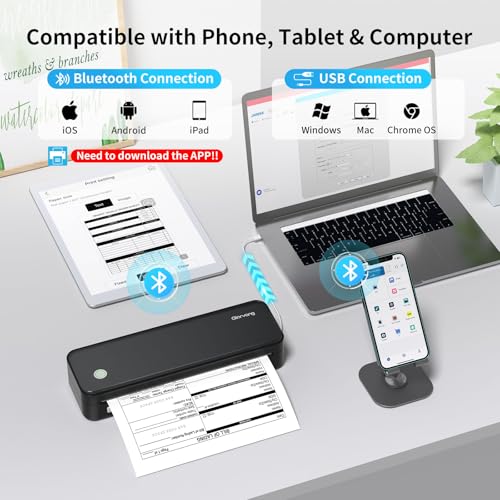
Connectivity is a make-or-break student issue because dorm and campus networks often use captive portals, device isolation, router reboots, or restricted Wi-Fi settings that printers may not handle well. Before buying, confirm support for your actual setup: USB printing from a laptop, Bluetooth or Wi-Fi Direct for phone printing, compatibility with your operating system, and the ability to reconnect after sleep without repeated resets. Owner feedback makes this a major warning area: many buyers complain about dropped Wi-Fi, printers going to sleep, driver trouble, Bluetooth or Wi-Fi retries, and reconnecting after router or printer reboots, even though some portable models pair quickly over Bluetooth and work easily from phones or laptops.
Ease
You’ll interact with a printer often through setup, paper loading, app or computer software, scan/copy controls, and error prompts, so ease of use can matter as much as print quality in daily life. Look for clear menus, straightforward driver or mobile workflows, accessible ink or toner replacement, and helpful status alerts; watch out for confusing displays, fussy wireless setup, or maintenance steps that turn simple jobs into chores.
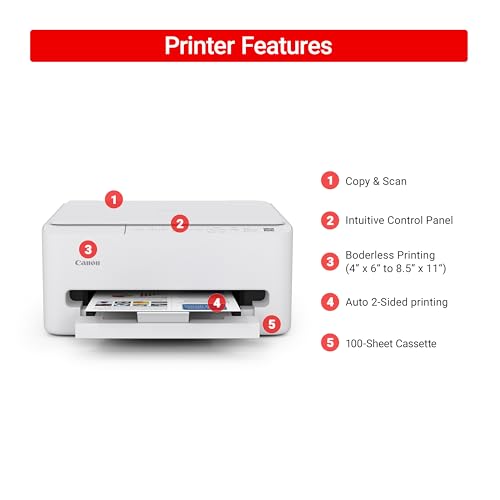
A good student printer should be simple enough that you can print a syllabus, scan an ID form, copy a worksheet, or make a quick label without learning a complicated control panel. Favor clear paper loading, easy ink or toner access, straightforward scanning/copying, and an app that helps rather than blocks basic printing; if you want planner stickers, flashcard labels, or dorm organization tags, a small portable printer can be useful as a secondary tool. Owners often describe easy setup, quick first prints, simple phone connection, and straightforward operation for printing, copying, scanning, labels, notes, and basic home use, which is exactly the low-friction experience students need.
Setup
Setup matters because a printer that is hard to install can turn a simple purchase into driver conflicts, connectivity issues, or repeated troubleshooting before you ever print a page. Look for clear first-time instructions, reliable Wi-Fi or wired connection options, and driver support for the devices you use. Watch out for printers that require complicated account creation, unclear app-based setup, or limited compatibility with your computer or mobile devices.
For setup, check the first-day realities: whether it works with your laptop, phone, tablet, or Chromebook; whether drivers require admin permissions; whether you can set it up without a normal home router; and whether you have space and time for ink filling, alignment, firmware updates, or account/app steps before your first assignment is due. Students who move between home, dorm, and apartment should also prefer printers that recover gracefully after network changes, because reconnecting can become the real setup burden. Owner sentiment is mostly positive on initial setup, with many buyers getting from unboxing to first print quickly and finding pairing or app-based setup straightforward, but Wi-Fi reconnection after router or printer reboots remains a recurring watch-out.
1,000,000+ shoppers use Buyer's Guide every week to find the best products and services online.

Helping millions of users make smarter purchases online.


