









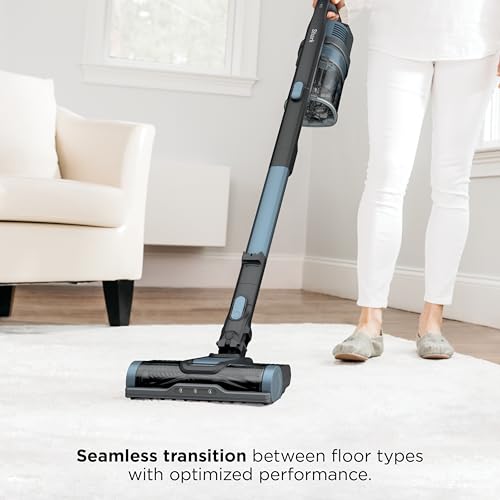


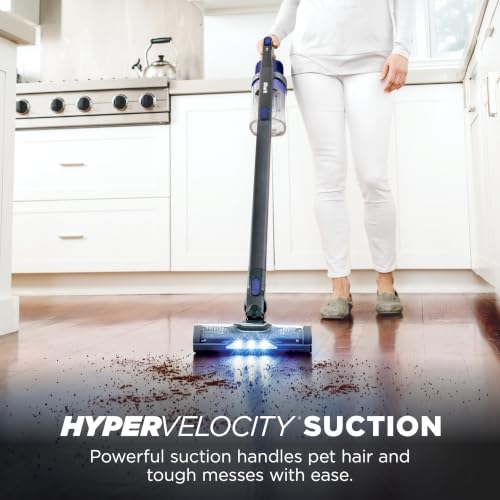


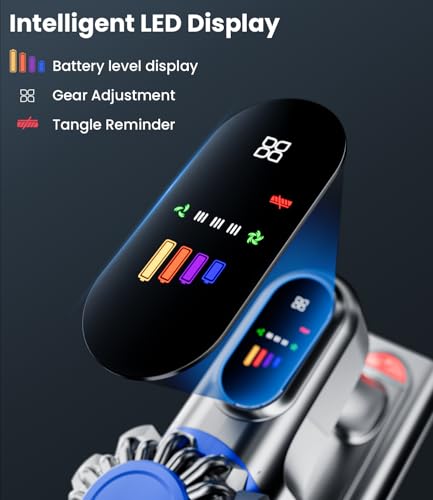


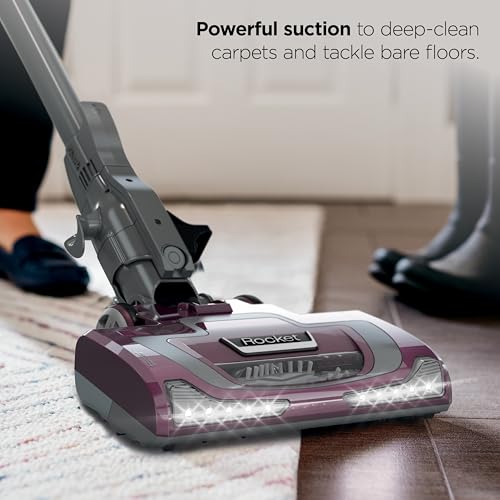


We also considered 10 others:




Our Top Choice
Compare Features


The order above is not editorial opinion, and it is not paid placement. It comes from what shoppers across our network actually do - which stick vaccums they compare, and which they ultimately buy. We re-rank as new data comes in, so the long-term favorites have to keep earning their spot against new entrants. The full method, including how we make money.
Stick Vaccums Buyer's Guide
Stick vacuums are best when they match the mess pattern: fast daily debris pickup, stairs, pet hair, and mixed hard floors/low rugs matter more than deep-cleaning a whole house like an upright. The sharpest checks are whether the head and suction mode suit your floor types and pet debris, and whether cordless runtime, dust-bin size, and filter maintenance can handle your actual cleaning route without constant stops.
Performance
Strong suction and overall cleaning performance determine how reliably a vacuum pulls dust, hair, crumbs, and larger debris from your floors instead of just pushing them around. Look for evidence of consistent pickup on the surfaces you actually clean, such as carpet, hard floors, rugs, and along edges, and be cautious of vacuums that advertise high power but struggle with airflow, clogging, or maintaining suction as the bin fills.
Prioritize the floor head and suction behavior for your surfaces: soft rollers or well-sealed heads are better for dust and litter on hard floors, while a powered brushroll is important for rugs, carpet edges, and embedded pet hair. If you have pets, check for anti-tangle brush design, easy brushroll access, and a max-power mode that can lift fur without scattering litter or crumbs forward. Avoid models that only advertise peak suction without showing how they perform on hard floors and low-pile rugs, because stick vacuums can feel strong in the hand yet leave grit in grout lines or hair wrapped around the roller. Owner feedback supports this focus: shoppers often praise stick vacuums for quick everyday cleanups on wood, tile, hard floors, low-pile rugs, and carpet, with especially strong satisfaction around pet hair, cat litter, crumbs, dust, and small debris that previous vacuums sometimes left behind.
Usability
You’ll use a vacuum more often if it’s easy to set up, maneuver, empty, and clean, so pay attention to weight, handle comfort, cord length or battery convenience, attachment changes, and how well it reaches under furniture or into tight spaces. Look for straightforward maintenance, including washable or easy-to-replace filters, simple brush-roll access for hair removal, and bins or bags that empty without making a mess. Also watch for noise level, awkward assembly, finicky controls, or “self-cleaning” features that still require regular hands-on upkeep.
Choose a layout that matches how you will actually grab and use it: wall mount or self-standing storage, a dust cup you can empty without touching clumps, washable filters, and attachments for upholstery, stairs, baseboards, and car interiors. For small homes or daily kitchen cleanup, a simple lightweight model may be better than a feature-heavy one; for pet homes, an auto-empty dock or larger bin can reduce the annoyance of emptying after every room. Also check whether the trigger must be held continuously, since that can be tiring during longer sessions. Owner sentiment lines up with this: buyers repeatedly value lightweight stick designs for quick cleanups, stairs, under-furniture reach, and moving between floor types, and many find convenience features like auto-emptying more useful than expected.
Handling
Handling matters because even a powerful vacuum can be frustrating if it feels too heavy, bulky, or awkward to move around your home. Look for a size and weight you can comfortably push, carry, steer around furniture, and lift for stairs or overhead cleaning, and consider whether features like compact storage or a handheld mode fit your space and routine. Watch out for designs that are easy on open floors but cumbersome in tight corners, on stairs, or when stored between uses.
Test or verify real maneuverability, not just weight: the vacuum should swivel easily around chair legs, lie low enough under beds and sofas, and convert cleanly to a handheld without a top-heavy feel. If you have stairs, tight apartments, or mobility limitations, look for a low hand weight, balanced motor placement, and attachments that lock securely; a very powerful stick vacuum can still be frustrating if the head snowplows debris or the wand flexes. Cordless models are usually easier for stair runs, but corded models avoid battery fade if you can tolerate outlet changes. Owners strongly reinforce the handling priority, often describing stick vacuums as light, easy to carry, manageable for people who find full-size vacuums tiring, simple to use one-handed, and convenient for corners, stairs, and under-furniture cleaning.
Battery
Battery life determines how much you can clean before a cordless vacuum needs to recharge, so match the runtime to your home size and the kinds of messes you handle. Look for clear runtime estimates for different power modes, since max suction can drain the battery much faster, and consider charging time or whether the battery is removable if you need longer cleaning sessions.
For cordless stick vacuums, buy based on useful runtime in the mode you will actually use, not the longest advertised eco-mode number. Pet hair, rugs, and litter often require medium or turbo power, which can drain the battery much faster; larger homes should favor removable batteries, swappable packs, or enough runtime to cover the whole route with a margin. Check recharge time, whether the battery is replaceable, and whether suction drops as charge falls. Owner experiences are mixed in exactly this way: many buyers report enough battery life for multi-room or whole-home cleaning and appreciate detachable batteries, but others call battery life the main drawback because turbo or high-power mode can end quickly and force a recharge break.
Build
A vacuum’s build quality affects how well it holds up to frequent use, bumps, full bins, and repeated attachment changes. Look for solid-feeling materials, tight-fitting parts, stable wheels or bases, and latches, hoses, and handles that don’t feel flimsy. Be cautious with units that wobble, have loose seams, arrive in poor renewed condition, or show early signs of cracking, rattling, or unreliable operation.
Inspect the wear points that matter on stick vacuums: wand joints, latch mechanisms, brushroll bearings, wheel durability, dust-cup hinges, filter seals, and whether replacement filters, batteries, and brushrolls are easy to get. A stick vacuum used as a daily grab-and-go tool is opened, emptied, clicked apart, and docked constantly, so flimsy clips or poorly sealed bins become bigger problems than they would on an occasional-use vacuum. If it must stand on its own, verify that it is stable and not just balanced for photos. Owner sentiment suggests many budget and everyday models feel well made enough for routine chores, with praise for easy assembly, storage, emptying, and dependable regular use, but the best buys are the ones whose construction supports repeated maintenance rather than just looking lightweight.
Value
A vacuum’s value is about whether its cleaning performance, durability, features, and ease of maintenance justify what you pay. Look for the right balance for your home: strong pickup on your floor types, useful attachments, reliable construction, and affordable replacement parts or filters. Watch out for paying extra for features you will not use, or choosing the cheapest option if it struggles with your messes or wears out quickly.
Judge value by the complete cleaning system you get for your home: suitable floor head, pet tool if needed, crevice and upholstery attachments, washable or affordable filters, available replacement parts, and battery strategy. A low-cost stick vacuum can be excellent as a secondary cleaner for kitchens, dorms, apartments, stairs, or pet touch-ups, while a pricier cordless model only earns its keep if it reduces the need to pull out a full-size vacuum. Do not overpay for extra modes or displays if the bin is tiny, the brush tangles, or the battery cannot cover your cleaning area. Owner feedback supports strong value in this category, with many buyers feeling affordable stick vacuums perform better than expected, work well as starter or secondary cleaners, include useful attachments and power settings, and feel capable rather than like cheap backups.
1,000,000+ shoppers use Buyer's Guide every week to find the best products and services online.

Helping millions of users make smarter purchases online.


