





We also considered 10 others:


Our Top Choice
The order above is not editorial opinion, and it is not paid placement. It comes from what shoppers across our network actually do - which sous vides they compare, and which they ultimately buy. We re-rank as new data comes in, so the long-term favorites have to keep earning their spot against new entrants. The full method, including how we make money.
Sous Vides Buyer's Guide
Sous vide buying is really about holding food-safe, repeatable temperatures for hours without turning the cook into a setup project. The sharp tradeoff is precision and reliability versus app extras, clamp design, container fit, and the bagging workflow that can make or break long cooks.
Temperature Precision
Sous vide depends on the water bath being the cooking surface, so temperature stability matters more than peak power alone. A good unit should hold the set temperature evenly through short weeknight cooks and long low-temperature cooks without frequent monitoring.
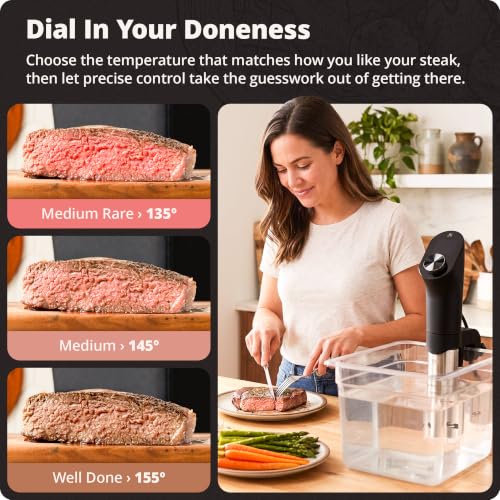
Prioritize a cooker that can hold a narrow temperature band for the full length of a cook, not just reach the set point quickly. For steak, chicken, pork, fish, eggs, and long roasts, small temperature drift can change texture, while poor circulation can leave colder pockets around crowded bags; look for clear accuracy claims, steady circulation, and a design that keeps the pump intake unobstructed. Owner sentiment strongly supports this as a core separator: many report steady water heating, reliable set-point holding during very long cooks, and consistently tender, juicy results, though some feedback is more cautious about exact accuracy.
Bath Performance
A sous vide cooker has to heat and move water evenly around sealed food. The right match depends on batch size, container shape, and whether the cook is a single portion or several bags at once.
Match the circulator to the containers you actually use: check the rated water volume, minimum and maximum water lines, pump placement, and whether it can handle a stockpot, polycarbonate tub, or lidded vessel. Higher power can reduce warm-up time, but circulation pattern matters for even doneness when cooking multiple bags; avoid setups where bags can block the intake or float into the heater area. Owner reports back up the importance of core cooking function, with strong feedback for tender chicken, pork chops, steaks, and roasts, plus praise for units that simply do the cooking job well.
Controls
Sous vide cooks often run for hours, so the interface needs to be boringly dependable. Smart features can add convenience, but direct control on the unit protects you from connectivity problems.
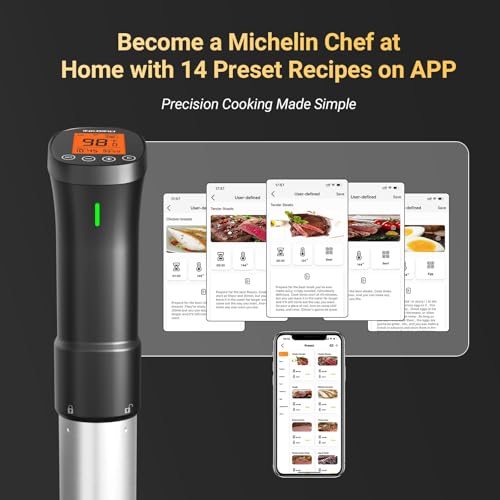
Choose controls you can trust without needing a phone: a readable display, direct time and temperature buttons, and simple start/stop behavior are especially useful when your hands are wet or you are cooking overnight. App or Wi-Fi features are convenient for remote checks, notifications, and recipe presets, but they should be a bonus rather than the only practical way to run the cooker; pairing failures or app changes should not stop dinner. Owner sentiment is clear here: basic operation is often praised as straightforward, and app control can be convenient, but Wi-Fi pairing and app reliability are also among the more mixed experiences.
Build & Clamp
A sous vide cooker sits in hot water for extended periods, so small build weaknesses can become real failures over time. The clamp, housing, and exposed parts should stay stable through repeated heating, cooling, and handling.
Inspect the clamp and body design as carefully as the electronics: the clamp should grip round and straight-sided containers securely, hold the circulator vertical, and resist loosening over a long cook. Look for a stable mount, protected heating element, easy-to-clean lower skirt, and clear water-level markings; avoid flimsy screws or mounts that feel like the first part likely to fail. Owner feedback supports this caution: many describe well-built, reliable units, but long-term durability and clamp-screw failures are recurring watch-outs.
Bagging Prep
Sous vide success depends on keeping food in close contact with the heated water while keeping water out of the food. Bag quality and sealing method affect texture, safety, freezer storage, and whether a long cook is trouble-free.
Plan the bagging workflow before choosing accessories or bundles: for most cooks, you need bags that stay sealed, tolerate heat, and keep water out without trapping excess air. A good vacuum sealer can improve freezer storage, marinating, and batch prep, but wet foods, liquids, bone edges, and poor bag placement can cause weak seals or suction problems; for delicate foods, water-displacement bags may be safer than over-compressing. Owner sentiment on sealers is supportive but not perfect: many find them straightforward, compact, and effective, while broader feedback includes cases where suction or sealing does not cooperate.
Noise & Storage
Sous vide appliances spend a lot of time running in the background. Quiet operation, easy handling, and compact storage make the difference between a tool you use often and one that stays in a cabinet.
If the cooker will run on a counter for hours, especially overnight or in a shared kitchen, look for quiet circulation and a compact shape that stores cleanly with the cord and clamp. Low pump noise matters because sous vide is not a quick appliance cycle; a hum that seems minor at first can become annoying during a 24-hour cook. Owner feedback often praises very quiet operation and easy everyday storage, though noise impressions are not completely settled across all buyers.
1,000,000+ shoppers use Buyer's Guide every week to find the best products and services online.

Helping millions of users make smarter purchases online.