















We also considered 10 others:


Our Top Choice
Compare Features


The order above is not editorial opinion, and it is not paid placement. It comes from what shoppers across our network actually do - which smart watches they compare, and which they ultimately buy. We re-rank as new data comes in, so the long-term favorites have to keep earning their spot against new entrants. The full method, including how we make money.
Smart Watches Buyer's Guide
Smart watches sit between a phone companion, a fitness tool, and a health monitor, so the best choice depends on which job you need it to do every day without becoming another device to babysit. The sharpest checks are phone/app compatibility, sensor and GPS reliability for your activities, battery life with the features you actually use, and whether the case, screen, and band can survive constant wear.
Build
Because a smartwatch is worn all day and exposed to bumps, sweat, water, and frequent charging, build quality directly affects how long it stays comfortable, reliable, and good-looking. Look for solid materials, secure buttons or crowns, dependable seals, and a screen or case that resists scratches; be cautious of flimsy straps, loose fittings, poor water resistance, or reports of units arriving in rough condition or failing with normal use.
Choose a build around your real wear pattern: runners and gym users should prioritize a secure, sweat-resistant case, physical-button or reliable touch operation during workouts, and a screen material that can handle knocks; all-day health trackers should be light enough for sleep tracking and not irritate skin under the band. If buying a renewed or refurbished unit, inspect cosmetic condition, charging contacts, water-resistance claims, battery health, included charger, and return coverage because seals and batteries are the parts most likely to age. Owner feedback supports that shoppers often find solid, no-fuss fitness watches, lightweight everyday trackers, and renewed units that look and work close to new, though refurbished packaging or accessories may differ.
Features
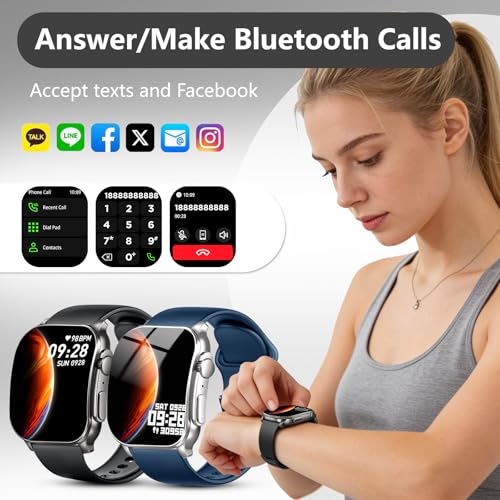
You want a smartwatch that fits how you actually live, so look for features that make daily tasks easier: reliable notifications, quick replies or call handling if you need them, useful apps, activity tracking, and controls that are simple to access on the go. Watch out for watches that advertise lots of features but make them hard to use, limit key functions depending on your phone, or lack the versatility you need for workouts, commuting, and everyday use.
Start by confirming ecosystem fit: the watch should pair fully with your phone, support the notifications, calls, voice assistant, contactless features, and third-party apps you actually plan to use, and avoid locking key functions behind a different phone platform or subscription. For fitness-first buyers, prioritize practical tools such as timers, workout shortcuts, always-available health widgets, customizable data screens, and simple app setup over novelty features you will not use. Owners commonly praise watches that fit easily into daily routines, with timers, calls, texts, app alerts, health stats, personalization, and quick-glance tools making the device useful throughout the day.
Battery
Battery life matters because it determines whether your smartwatch can reliably track workouts, sleep, notifications, and health metrics without constant interruptions. Look for a runtime that fits how you actually use the watch, and pay attention to charging speed and charger convenience so topping up between sleep, work, or exercise is easy. Watch out for heavy GPS, always-on displays, and cellular features, which can drain the battery much faster than basic daily use.
Judge battery life by your intended settings, not the headline claim: always-on display, continuous heart-rate monitoring, sleep tracking, LTE/calling, music, and especially GPS can turn a multi-day watch into a nightly-charge device. If you need outdoor workouts, travel, or sleep tracking, look for enough margin to cover a full day plus overnight tracking, fast or convenient charging, and battery-saver modes that do not disable the metrics you care about. Owner sentiment often highlights multi-day life, sometimes stretching much longer with managed settings, but also flags battery life as a main watch-out on some models, making charging habits and screen protection worth planning for.
Tracking
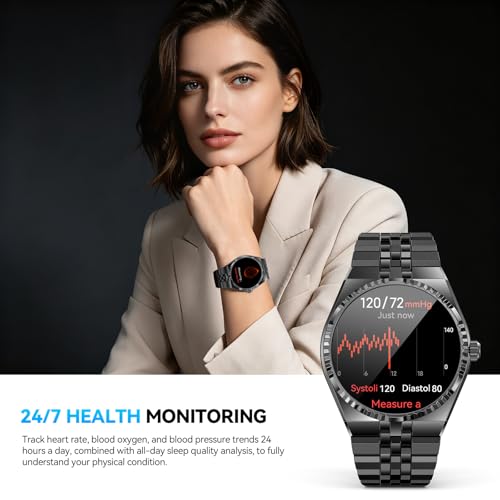
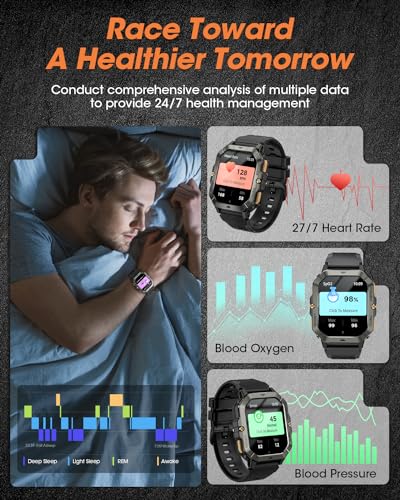
Tracking matters because your watch is only useful if its step counts, workouts, heart-rate monitoring, sleep tracking, and health metrics are consistent enough to guide your habits. Look for reliable accuracy across the activities you actually do, clear tracking information in the companion app, and sensors that perform well during movement, not just at rest. Be cautious of watches that report lots of health data but make it hard to understand trends or show inconsistent results from day to day.
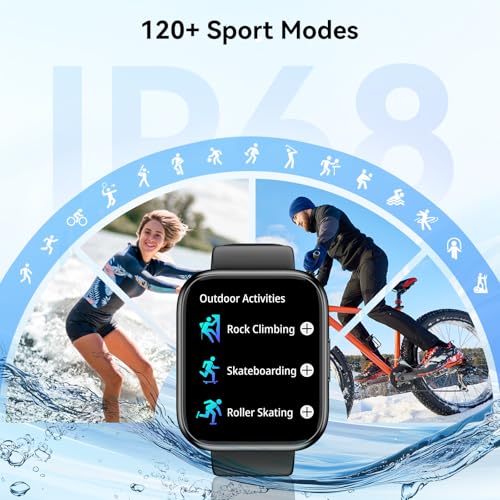
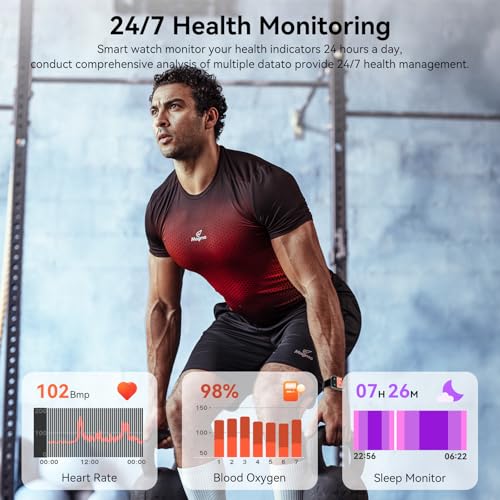
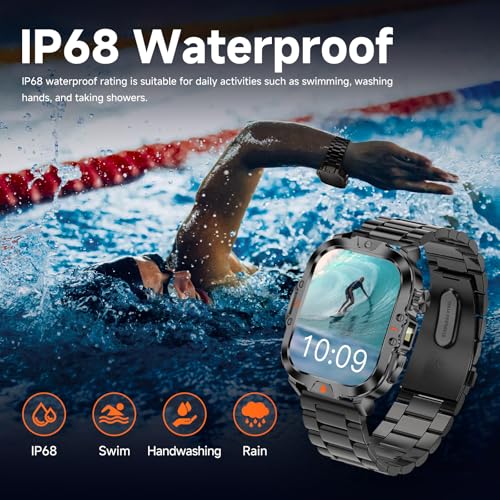
Match tracking hardware to your activity: runners and cyclists should look for built-in GPS, reliable pace and distance, customizable workout fields, and stable heart-rate readings during motion; swimmers need swim-specific tracking and appropriate water rating; wellness users should check sleep, heart rate, oxygen level, reminders, and trend reporting rather than treating any single reading as medical-grade. Also check whether the companion app lets you export or sync data to the fitness services you use. Owner feedback supports that step, workout, movement-goal, swim, GPS, pace, heart-rate, distance, sleep, oxygen-level, and wellness tracking are major reasons buyers feel motivated and satisfied for everyday fitness.
Value
A smartwatch can feel like a bargain or an overbuy depending on how well its features match what you’ll actually use. Look for strong core functions—reliable notifications, health tracking, battery life, comfort, and app support—at a price that makes sense for your needs, and be cautious about paying extra for niche features you may rarely use.
Value in a smart watch is less about the lowest cost and more about avoiding paid-for features you cannot use: verify phone compatibility, app support, sensor set, water rating, warranty or return path, charger availability, and whether essential health insights require ongoing fees. A simpler fitness watch can be the better buy if you mainly need steps, heart rate, workouts, and sleep; a fuller smartwatch earns its keep only if you will use calling, notifications, apps, navigation, or outdoor features. Owners frequently describe many watches as strong values when they combine useful health tracking, calling, responsive functions, bright screens, outdoor extras, and solid build for the money.
Design
You’ll wear a smartwatch in many settings, so its appearance, size, color options, and overall design should fit your style as well as your wrist. Look for a display that stays easy to read in bright light and at a glance, with clear text, good contrast, and controls that do not feel cramped or distracting.
Design should be evaluated as wearability, not just looks: check case size and thickness for your wrist, band width and replacement options, clasp security during exercise, screen readability in sun, brightness at night, and whether the watch is comfortable enough for sleep tracking. If you want the watch to replace an everyday timepiece, make sure the style, watch faces, and band materials work for both workouts and work settings. Owner feedback commonly praises sleek, attractive designs, bright easy-to-read screens, comfortable lightweight wear, swappable bands, straightforward touch and charging experiences, and renewed units that arrive cosmetically close to new.
1,000,000+ shoppers use Buyer's Guide every week to find the best products and services online.

Helping millions of users make smarter purchases online.


