






















We also considered 10 others:


Our Top Choice
Compare Features


The order above is not editorial opinion, and it is not paid placement. It comes from what shoppers across our network actually do - which sleep aids they compare, and which they ultimately buy. We re-rank as new data comes in, so the long-term favorites have to keep earning their spot against new entrants. The full method, including how we make money.
Sleep Aids Buyer's Guide
Sleep aids sit in a tricky middle ground: the right pick should calm the body enough for sleep without leaving you foggy, unsteady, or uncomfortable the next day. The sharpest buying decisions are whether you need melatonin or a melatonin-free calming blend, and whether your main problem is falling asleep, staying asleep, or quieting racing thoughts before bed.
Sleep Results
Sleep aids differ in whether they mainly shorten sleep-onset time, reduce nighttime waking, or simply make the evening feel calmer. Matching the aid to the actual sleep problem matters because a product that relaxes you may not be strong enough if your main issue is repeated wake-ups, and a stronger-feeling option may be more than you need for occasional restlessness.
Start by deciding what job the sleep aid needs to do: help you fall asleep, help you stay asleep, or support a smoother wind-down when stress keeps your mind active. Look for clearly described intended timing, realistic onset expectations, and formulas positioned for sleep continuity rather than only “relaxation” if waking during the night is your main complaint. Avoid assuming any aid will act like an instant knockout; owner feedback repeatedly shows that even well-liked options can help some people sleep faster and more consistently while others still take a long time to feel sleepy or experience only mild relaxation support.
Ingredient Fit
The active blend determines both the feel of the sleep aid and the type of tradeoff you are accepting. In this category, shoppers often compare melatonin, magnesium, L-theanine, botanicals, and melatonin-free blends because they can feel very different at bedtime and the next morning.
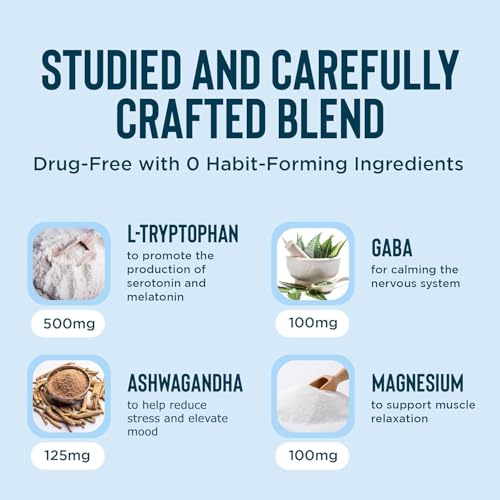
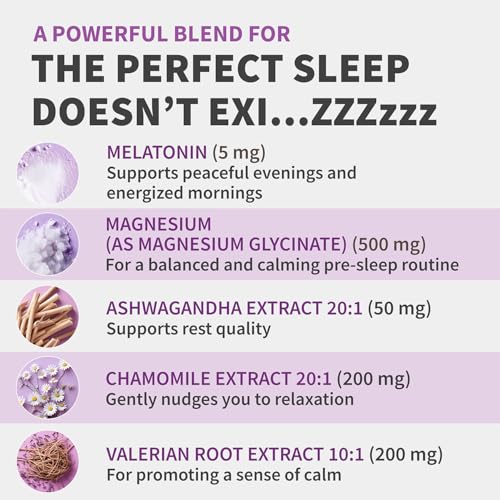
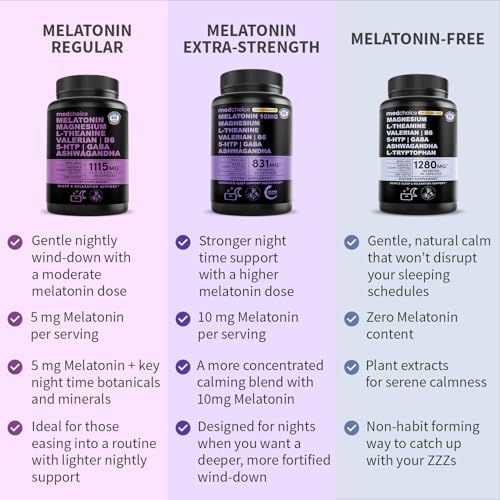
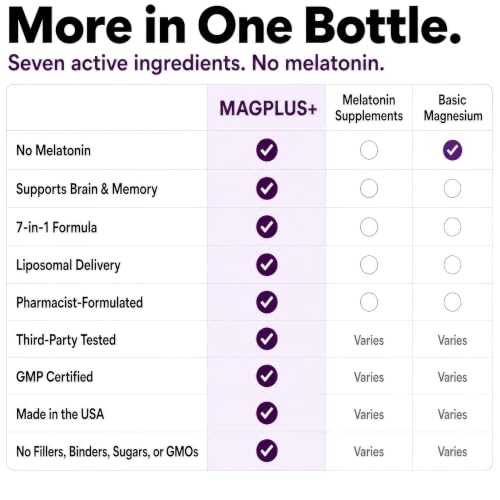
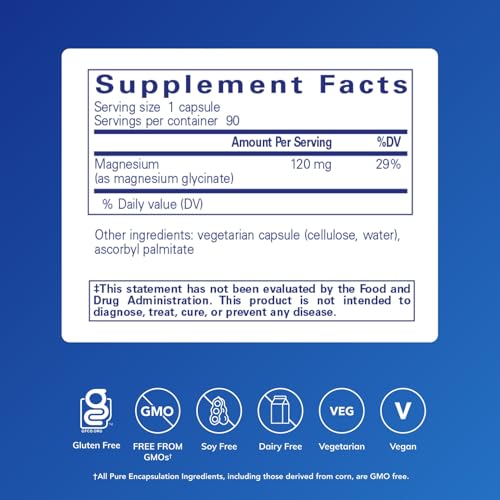
Check the active ingredients and their amounts before choosing: melatonin may be useful for circadian timing or occasional sleep onset support, magnesium blends may appeal to those seeking muscle-and-nerve relaxation support, and L-theanine or botanicals such as chamomile and lavender are often chosen for a gentler wind-down. If you are sensitive to melatonin, need to wake early, or dislike a “forced” sedated feeling, prioritize melatonin-free or lower-intensity calming formulas and avoid multi-ingredient blends where dosages are unclear. Owner sentiment supports this distinction: buyers praised melatonin-and-magnesium formulas as less concerning than harsher sleep medications, liked blends with L-theanine, chamomile, and lavender for feeling gentle and calming, and valued melatonin-free plant-based or multi-magnesium formulas for a more natural-feeling approach with less next-morning grogginess.
Calm Down
Many sleep aids are bought not just for sleep, but for the transition into sleep. A calming formula can be especially useful when bedtime is disrupted by racing thoughts, tension, or nighttime anxiety, but that is different from a sedative effect.
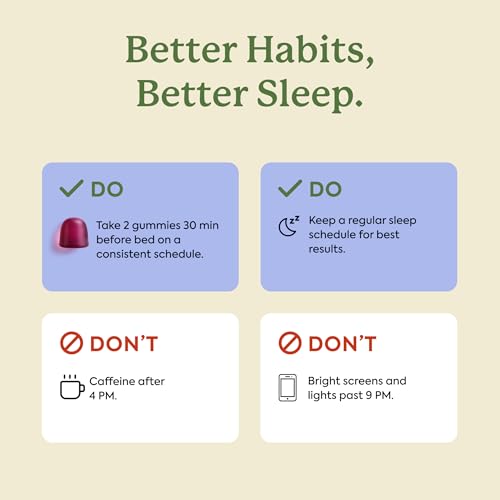
For racing thoughts or anxious wind-down, look for sleep aids that emphasize relaxation support rather than only sleep duration, and plan to take them as part of a consistent pre-bed routine with dim light, reduced screens, and enough lead time. The best fit in this lane should feel calming without making you feel abruptly impaired, so be cautious with anything marketed as extremely forceful if you only need help settling. Owners strongly valued calming effects, often describing easier evening relaxation, help quieting nighttime anxiety, and the ability to drift off without feeling forcefully knocked out; some also reported relaxing enough to fall asleep within about an hour.
Morning Feel
A sleep aid is only helpful if the next morning is acceptable. Grogginess, balance concerns, stomach discomfort, or poor digestibility can outweigh sleep benefits, especially for people who drive early, work safety-sensitive jobs, or are sensitive to supplements.
Choose conservatively if you are new to sleep aids: start with a formula that allows flexible dosing, avoid stacking multiple sleep products, and make the first trial on a night before a low-demand morning. Pay close attention to next-day alertness, balance, and stomach comfort, and be extra cautious if you take medications, drink alcohol, are pregnant, have medical conditions, or need to be fully alert overnight for caregiving. Owner feedback is mixed here: many buyers liked formulas that did not leave them groggy, but others reported lingering balance or stomach-type discomfort, and digestibility was clearly individual rather than guaranteed.
Bedtime Ease
Sleep aids work best when they are easy to take consistently and do not create friction at bedtime. Format matters because gummies, capsules, and tablets differ in taste, swallowability, sugar exposure, and how naturally they fit into a nightly routine.
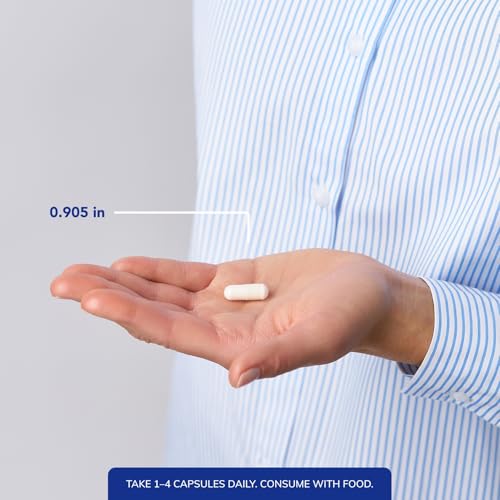
Pick the format you will actually use at the right time: gummies can be easier and more pleasant before bed, while capsules may suit shoppers who want less sweetness, less chewing, or a more supplement-like routine. Check serving size, whether the product requires multiple pieces or pills, and whether the flavor or texture could become tiring with nightly use. Owner sentiment makes this practical point clear: good-tasting gummies were repeatedly described as easy to take before bed and easier than traditional sleep tablets, while capsules were praised when they fit smoothly into a bedtime routine.
Real Value
Value in sleep aids is not just the bottle cost; it is the cost per usable night that actually improves sleep without side effects. Because effectiveness is highly individual, a large supply or expensive formula can be poor value if it does not match your sleep pattern or tolerance.
Compare cost per serving and cost per night, but also consider whether the formula requires two or more units, whether you can adjust the dose, and whether the product offers enough trial flexibility before committing to long-term use. Be wary of paying more solely for a long ingredient list unless the actives and dosages match your needs. Owner feedback identifies value as a recurring watch-out: even satisfied buyers sometimes called bottles pricey, and broader feedback was split on whether the sleep benefits justified the cost.
1,000,000+ shoppers use Buyer's Guide every week to find the best products and services online.

Helping millions of users make smarter purchases online.


