

Its suction is a standout strength, with buyers describing it as powerful enough to pull up fur and debris that previous vacuums left behind.
The lightweight stick design makes it easy to handle, carry, and use without feeling like a bulky full-size vacuum.
Its suction is a standout strength, with buyers describing it as powerful enough to pull up fur and debris that previous vacuums left behind.
The lightweight stick design makes it easy to handle, carry, and use without feeling like a bulky full-size vacuum.


Its suction is a standout strength, with buyers describing it as powerful enough to pull up fur and debris that previous vacuums left behind.
The lightweight stick design makes it easy to handle, carry, and use without feeling like a bulky full-size vacuum.
The Bissell stick vacuum is strongly liked for overall cleaning performance, with buyers saying it runs quietly, keeps power, and switches easily into handheld or tool use.
The long cord is a major convenience, letting people clean a large area before needing to move to another outlet.
Maneuverability is more situational: it can be easy to handle, but high power may make it harder to push on carpet.
The Bissell stick vacuum is strongly liked for overall cleaning performance, with buyers saying it runs quietly, keeps power, and switches easily into handheld or tool use.
The long cord is a major convenience, letting people clean a large area before needing to move to another outlet.
Maneuverability is more situational: it can be easy to handle, but high power may make it harder to push on carpet.


The Bissell stick vacuum is strongly liked for overall cleaning performance, with buyers saying it runs quietly, keeps power, and switches easily into handheld or tool use.
The long cord is a major convenience, letting people clean a large area before needing to move to another outlet.
Maneuverability is more situational: it can be easy to handle, but high power may make it harder to push on carpet.
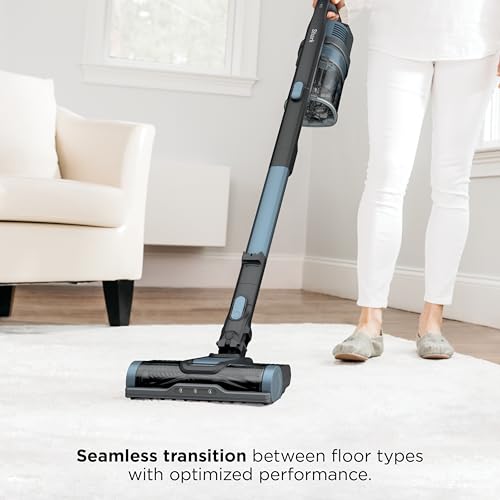
Hard floors are a clear strength, with buyers describing strong everyday pickup on hardwood and tile.
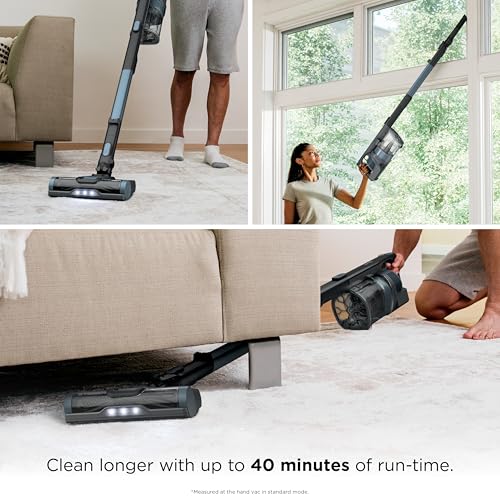
The Shark cordless stick vacuum is widely appreciated for being light, convenient, and easy to maneuver for quick cleanups around the house.
Battery life satisfies some owners for routine jobs, especially on hard floors, but carpet mode can drain the charge much faster.
Hard floors are a clear strength, with buyers describing strong everyday pickup on hardwood and tile.
The Shark cordless stick vacuum is widely appreciated for being light, convenient, and easy to maneuver for quick cleanups around the house.
Battery life satisfies some owners for routine jobs, especially on hard floors, but carpet mode can drain the charge much faster.



Hard floors are a clear strength, with buyers describing strong everyday pickup on hardwood and tile.
The Shark cordless stick vacuum is widely appreciated for being light, convenient, and easy to maneuver for quick cleanups around the house.
Battery life satisfies some owners for routine jobs, especially on hard floors, but carpet mode can drain the charge much faster.
The Shark Rocket stick vacuum is widely liked for strong everyday performance across carpet, rugs, tile, and hard floors.
The lightweight stick design makes it easy to handle, carry, and use without feeling like a bulky full-size vacuum.
The Shark Rocket stick vacuum is widely liked for strong everyday performance across carpet, rugs, tile, and hard floors.
The lightweight stick design makes it easy to handle, carry, and use without feeling like a bulky full-size vacuum.


The Shark Rocket stick vacuum is widely liked for strong everyday performance across carpet, rugs, tile, and hard floors.
The lightweight stick design makes it easy to handle, carry, and use without feeling like a bulky full-size vacuum.
The Levoit stick vacuum earns strong praise for everyday cleaning performance, with suction that handles dust, hair, crumbs, litter, and small debris across hard floors and rugs.
Its lightweight cordless design makes quick cleanups and stairs much easier than dragging out a full-size vacuum.
Battery life is the main wildcard: some owners get full-home cleaning from one charge, while the broader feedback is more split on charge longevity.
The Levoit stick vacuum earns strong praise for everyday cleaning performance, with suction that handles dust, hair, crumbs, litter, and small debris across hard floors and rugs.
Its lightweight cordless design makes quick cleanups and stairs much easier than dragging out a full-size vacuum.
Battery life is the main wildcard: some owners get full-home cleaning from one charge, while the broader feedback is more split on charge longevity.

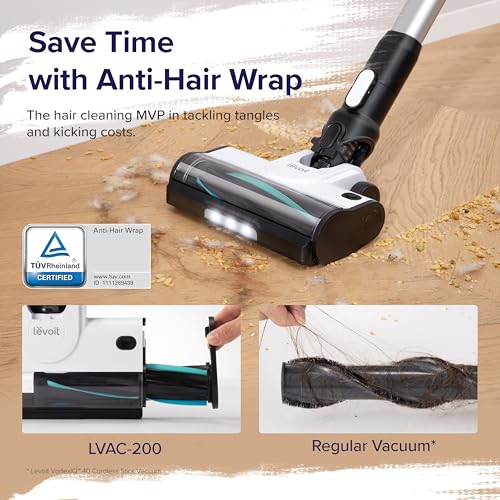


The Levoit stick vacuum earns strong praise for everyday cleaning performance, with suction that handles dust, hair, crumbs, litter, and small debris across hard floors and rugs.
Its lightweight cordless design makes quick cleanups and stairs much easier than dragging out a full-size vacuum.
Battery life is the main wildcard: some owners get full-home cleaning from one charge, while the broader feedback is more split on charge longevity.
It performs well across common floor types, from bare floors and textured surfaces to area rugs and carpet runners.
Weight, handling, and long-term durability are more mixed, since some find it lighter and intuitive while others mention less convenient hose use or parts wearing out.
It performs well across common floor types, from bare floors and textured surfaces to area rugs and carpet runners.
Weight, handling, and long-term durability are more mixed, since some find it lighter and intuitive while others mention less convenient hose use or parts wearing out.

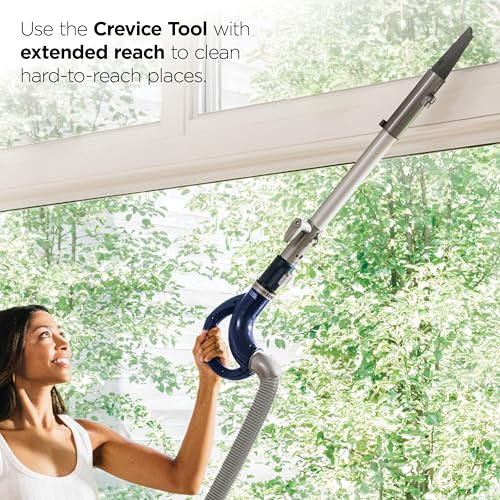


It performs well across common floor types, from bare floors and textured surfaces to area rugs and carpet runners.
Weight, handling, and long-term durability are more mixed, since some find it lighter and intuitive while others mention less convenient hose use or parts wearing out.
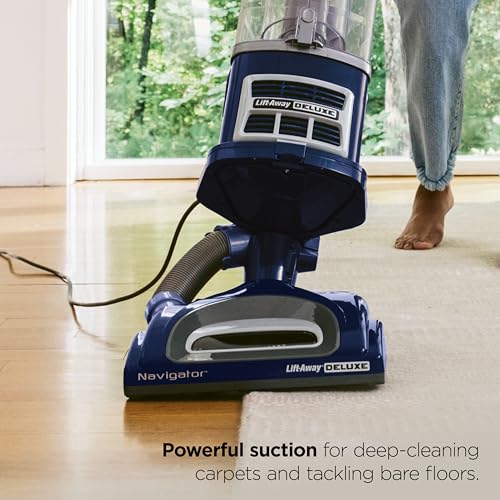
The Shark upright vacuum is widely liked for strong suction and cleaning performance, especially pulling dust, debris, and fine pet hair from carpets.
Weight, handling, and long-term durability are more mixed, since some find it lighter and intuitive while others mention less convenient hose use or parts wearing out.
The Shark upright vacuum is widely liked for strong suction and cleaning performance, especially pulling dust, debris, and fine pet hair from carpets.
Weight, handling, and long-term durability are more mixed, since some find it lighter and intuitive while others mention less convenient hose use or parts wearing out.


The Shark upright vacuum is widely liked for strong suction and cleaning performance, especially pulling dust, debris, and fine pet hair from carpets.
Weight, handling, and long-term durability are more mixed, since some find it lighter and intuitive while others mention less convenient hose use or parts wearing out.
The Shark Rocket stick vacuum is widely liked for strong everyday performance across carpet, rugs, tile, and hard floors.
The lightweight stick design makes it easy to handle, carry, and use without feeling like a bulky full-size vacuum.
The Shark Rocket stick vacuum is widely liked for strong everyday performance across carpet, rugs, tile, and hard floors.
The lightweight stick design makes it easy to handle, carry, and use without feeling like a bulky full-size vacuum.

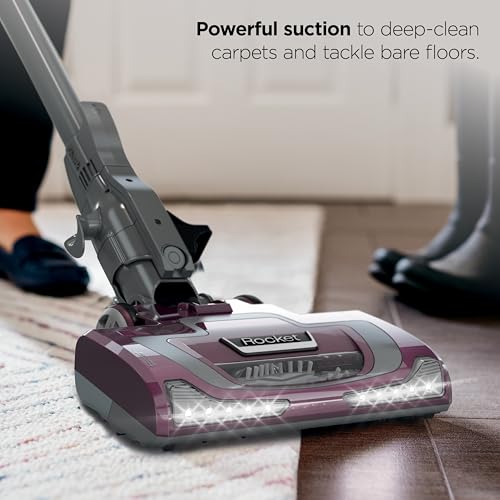


The Shark Rocket stick vacuum is widely liked for strong everyday performance across carpet, rugs, tile, and hard floors.
The lightweight stick design makes it easy to handle, carry, and use without feeling like a bulky full-size vacuum.
The Shark Rocket stick vacuum is widely liked for strong everyday performance across carpet, rugs, tile, and hard floors.
The lightweight stick design makes it easy to handle, carry, and use without feeling like a bulky full-size vacuum.
The Shark Rocket stick vacuum is widely liked for strong everyday performance across carpet, rugs, tile, and hard floors.
The lightweight stick design makes it easy to handle, carry, and use without feeling like a bulky full-size vacuum.


The Shark Rocket stick vacuum is widely liked for strong everyday performance across carpet, rugs, tile, and hard floors.
The lightweight stick design makes it easy to handle, carry, and use without feeling like a bulky full-size vacuum.
The Shark Vertex stick vacuum is widely liked for very strong suction that makes it feel powerful despite its lightweight build.
The light, compact design makes it easy to handle for everyday cleaning, stairs, and quick mode changes.
Long-term reliability is the main watch-out, with some owners describing part failures, overheating shutoffs, or needing repairs within the first year or two.
The Shark Vertex stick vacuum is widely liked for very strong suction that makes it feel powerful despite its lightweight build.
The light, compact design makes it easy to handle for everyday cleaning, stairs, and quick mode changes.
Long-term reliability is the main watch-out, with some owners describing part failures, overheating shutoffs, or needing repairs within the first year or two.


The Shark Vertex stick vacuum is widely liked for very strong suction that makes it feel powerful despite its lightweight build.
The light, compact design makes it easy to handle for everyday cleaning, stairs, and quick mode changes.
Long-term reliability is the main watch-out, with some owners describing part failures, overheating shutoffs, or needing repairs within the first year or two.
We also considered 10 others:


Our Top Choice
Its suction is a standout strength, with buyers describing it as powerful enough to pull up fur and debris that previous vacuums left behind.
The lightweight stick design makes it easy to handle, carry, and use without feeling like a bulky full-size vacuum.
Its suction is a standout strength, with buyers describing it as powerful enough to pull up fur and debris that previous vacuums left behind.
The lightweight stick design makes it easy to handle, carry, and use without feeling like a bulky full-size vacuum.
Its suction is a standout strength, with buyers describing it as powerful enough to pull up fur and debris that previous vacuums left behind.
The lightweight stick design makes it easy to handle, carry, and use without feeling like a bulky full-size vacuum.
Compare Features


The order above is not editorial opinion, and it is not paid placement. It comes from what shoppers across our network actually do - which shark corded stick vacuums they compare, and which they ultimately buy. We re-rank as new data comes in, so the long-term favorites have to keep earning their spot against new entrants. The full method, including how we make money.
Shark Corded Stick Vacuums Buyer's Guide
Corded stick vacuums trade cordless freedom for constant suction, so the key question is whether the cord, small dust cup, and top-heavy body fit how you actually clean. In this category, the sharpest checks are brushroll behavior on pet hair and litter, overheating from clogged filters, and whether the vacuum can manage rugs, stairs, and tight spaces without becoming annoying to store or prop up.
Performance
Strong suction and overall cleaning performance determine how reliably a vacuum pulls dust, hair, crumbs, and larger debris from your floors instead of just pushing them around. Look for evidence of consistent pickup on the surfaces you actually clean, such as carpet, hard floors, rugs, and along edges, and be cautious of vacuums that advertise high power but struggle with airflow, clogging, or maintaining suction as the bin fills.
Look first for steady suction under real household loads: pet hair, grit, crumbs, cat litter, and dust on hard floors plus low- to medium-pile rugs. For this niche, avoid assuming “strong suction” automatically means better cleaning everywhere; a corded stick with no height adjustment can seal too hard on some rugs, scatter litter on hard floors, or struggle with larger debris if the floorhead opening is too low. Prioritize a powered brushroll, a floorhead that transitions cleanly from bare floors to rugs, washable filters that are easy to keep clear, and enough airflow that performance does not drop as the small dust cup fills. Owner feedback supports this priority: buyers often praise these vacuums for strong suction, everyday cleaning across hard floors, tile, area rugs, runners, and carpet, and especially for pulling fine pet hair and debris that previous vacuums missed.
Usability
You’ll use a vacuum more often if it’s easy to set up, maneuver, empty, and clean, so pay attention to weight, handle comfort, cord length or battery convenience, attachment changes, and how well it reaches under furniture or into tight spaces. Look for straightforward maintenance, including washable or easy-to-replace filters, simple brush-roll access for hair removal, and bins or bags that empty without making a mess. Also watch for noise level, awkward assembly, finicky controls, or “self-cleaning” features that still require regular hands-on upkeep.
Check the cord length, cord exit point, dust-cup release, and handheld conversion before anything else, because daily usability is where corded stick vacuums either feel effortless or irritating. A long cord reduces outlet hopping, but it also needs practical hooks or cord management so it does not drag under the floorhead or become a stair hazard. Make sure the dust cup can be emptied without dumping debris back onto the floor, and consider whether the hand unit weight will bother your wrist during above-floor cleaning. Supporting owner sentiment is positive here: shoppers commonly like the lightweight stick format for quick cleanups, stairs, room-to-room carrying, and switching into handheld or tool use, while long cords are repeatedly described as a convenience for covering larger areas before changing outlets.
Handling
Handling matters because even a powerful vacuum can be frustrating if it feels too heavy, bulky, or awkward to move around your home. Look for a size and weight you can comfortably push, carry, steer around furniture, and lift for stairs or overhead cleaning, and consider whether features like compact storage or a handheld mode fit your space and routine. Watch out for designs that are easy on open floors but cumbersome in tight corners, on stairs, or when stored between uses.
For handling, focus on the floorhead geometry and steering rather than just total weight. In this category, the motor is usually high on the handle, so a vacuum can feel light on the floor but tiring when lifted for curtains, upholstery, stairs, or car interiors. Look for swivel steering, a narrow enough head to fit around chair legs and toilets, a low-profile nozzle for under furniture, and attachments that lock securely onto both the wand and handheld unit. Owner reports reinforce these checks: users often praise lightweight handling, easy carrying on stairs, maneuverability around objects, and the usefulness of swivel steering, removable hand-vac modes, and tools for corners, upholstery, tight spaces, hardwood, and low-pile carpet.
Build
A vacuum’s build quality affects how well it holds up to frequent use, bumps, full bins, and repeated attachment changes. Look for solid-feeling materials, tight-fitting parts, stable wheels or bases, and latches, hoses, and handles that don’t feel flimsy. Be cautious with units that wobble, have loose seams, arrive in poor renewed condition, or show early signs of cracking, rattling, or unreliable operation.
Inspect build details that affect long-term use: brushroll access for cutting hair, filter access, latch quality on the dust cup, hose and wand connectors, thermal shutoff behavior, and whether replacement filters or wear parts are easy to obtain. A major niche issue is that many corded stick vacuums are top-heavy and do not stand upright on their own, so plan for wall storage, a hook, or laying it down safely between passes. Also avoid using it on wet messes, fireplace ash, renovation dust, or heavy fine powder unless the manual explicitly allows it, because clogged filters can reduce suction and trigger overheating. Owner sentiment is mixed in exactly these areas: buyers like convenient touches such as headlights, easy emptying, attachments, compact storage, and steady corded power, but some report part failures, overheating shutoffs, repairs within the first year or two, stability problems, connector issues, or uneven durability.
Value
A vacuum’s value is about whether its cleaning performance, durability, features, and ease of maintenance justify what you pay. Look for the right balance for your home: strong pickup on your floor types, useful attachments, reliable construction, and affordable replacement parts or filters. Watch out for paying extra for features you will not use, or choosing the cheapest option if it struggles with your messes or wears out quickly.
Judge value by whether the corded design solves your specific cleaning pattern: frequent quick pickups, pet hair, hard floors, low rugs, stairs, and above-floor dusting without needing battery maintenance. The best value in this niche is not the most powerful-looking model; it is the one with the right cord reach, usable attachments, easy filter care, accessible brushroll cleaning, and durable latches so it does not become disposable after hair wrap or a broken clip. Owner feedback generally supports the value case, with many buyers seeing corded stick vacuums as a strong cleaning-power-per-dollar tradeoff and a worthwhile alternative to more premium stick-vac options because steady plug-in power handles routine home cleaning well.
Pets
If you have pets, strong hair pickup matters because fur works into carpet, clings to upholstery, and can quickly overwhelm a vacuum that only handles surface debris. Look for a vacuum that can pull hair from both floors and furniture, and watch for brush designs that resist tangles or are easy to clean. Good sealing and filtration can also help keep dander and fine hair-related dust from being blown back into your room.
For pet homes, prioritize anti-hair-wrap or easy-clean brushroll design, strong edge pickup, a sealed-enough dust path, and attachments for upholstery, stairs, pet beds, and baseboards. Cat litter is a special test: the vacuum should pick up granules without flinging them across hard floors or clogging the neck of the floorhead, and the dust cup should be easy to empty frequently because pet hair fills small bins fast. If anyone in the home has allergies, check filter type, filter maintenance, and whether emptying releases a visible dust cloud. Owner sentiment strongly supports pet use: buyers repeatedly praise these vacuums for pulling up pet hair, dust, small debris, and cat litter across laminate, tile, low-profile rugs, carpet, and mixed-surface homes with multiple animals.
1,000,000+ shoppers use Buyer's Guide every week to find the best products and services online.

Helping millions of users make smarter purchases online.


