




.png)


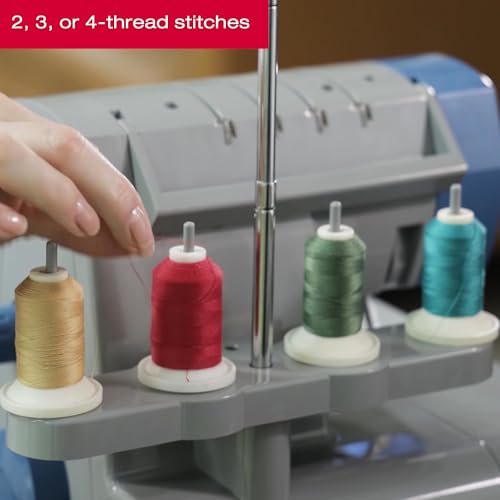


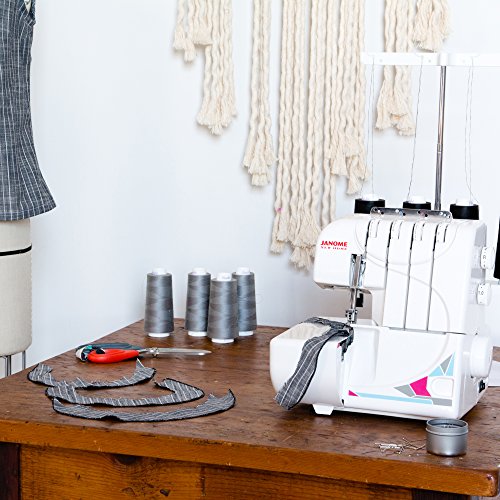
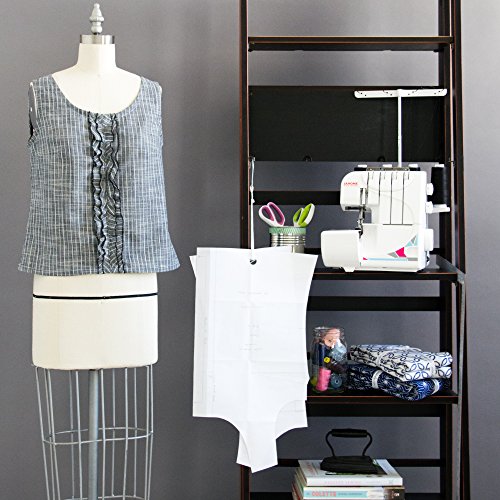


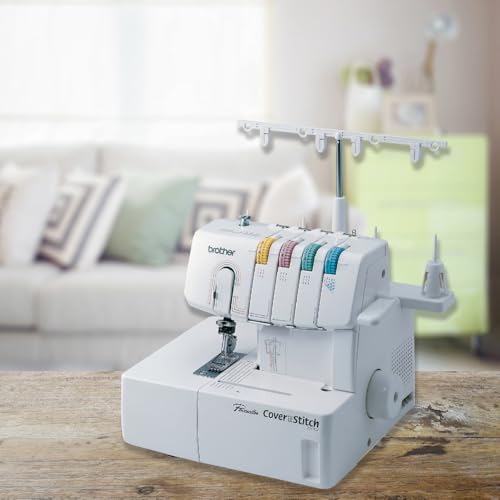


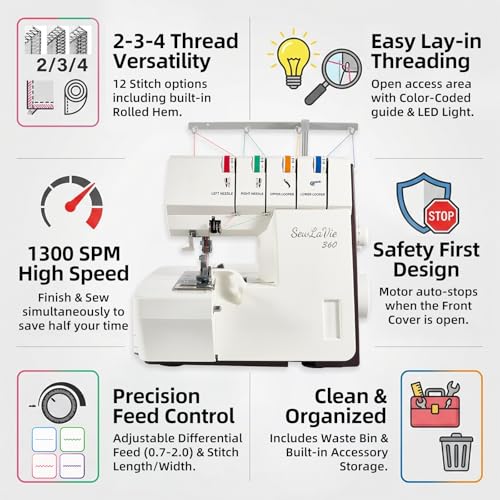


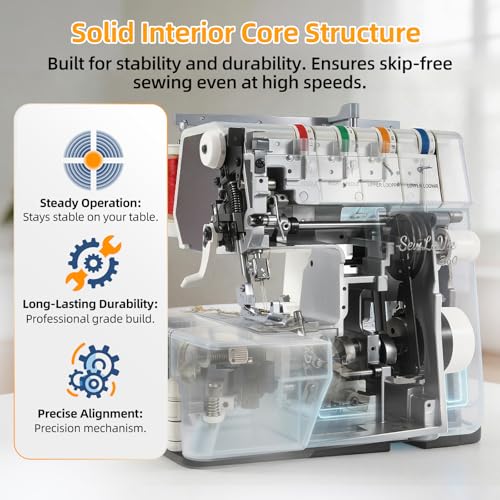


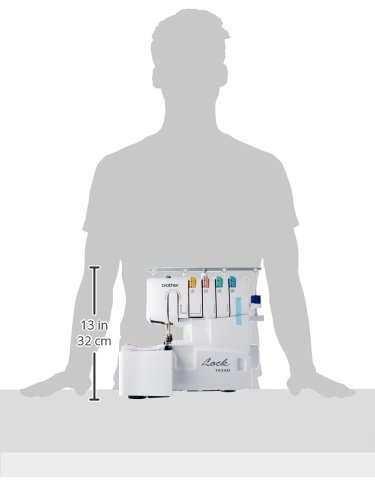
We also considered 10 others:




Our Top Choice
Why These Features Matter:
A serger is basically the difference between “homemade” and “looks like it came from a small, annoyingly chic atelier.” It trims, wraps, and finishes edges in one pass, which is satisfying in the way only clean seams and contained chaos can be. But it’s also a second machine that needs a place to live, a spool situation that can get out of hand, and a personality that ranges from sweetly obedient to “why are you screaming at me right now?”
The best serger machine for most homes isn’t the one with the most stitches. It’s the one that feels predictable at 11 p.m. on a cramped table, doesn’t shake itself into walking off the edge, and doesn’t turn threading into a small emotional event.
What “Best” Looks Like in Real Life
In a lifestyle-publication sense, “best” means: it gets used. It doesn’t require a dedicated sewing studio, a saintly temperament, or a weekend seminar to rethread. It plays nicely with knits without eating them. It handles the occasional denim experiment without acting personally offended.
- It threads without drama (or at least with predictable, repeatable drama).
- It feeds fabric evenly so T-shirts don’t end up wavy like seaweed.
- It doesn’t sound like an appliance failing every time the foot pedal is touched.
- It fits your space—including the reality that many “sewing rooms” are also dining tables.
Threading: The Make-or-Break Feature Nobody Brags About
Sergers have a reputation for being fussy because threading one can feel like solving a puzzle with slippery string. The machines that earn long-term loyalty are the ones that make the threading path obvious—clear guides, color-coded routes, levers that move like they’re supposed to.
- Color-coded threading paths are not “beginner” training wheels; they’re sanity.
- Easy lower-looper access matters more than a fancy stitch list. If it’s cramped in there, it’s going to be avoided.
- Thread guides that don’t snag keep tension consistent and stop the little mid-seam tantrums.
Things to know: Even “easy-thread” models still require attention. If threading involves removing multiple parts or contorting hands into a tiny hatch, it’s the kind of task that mysteriously gets postponed for weeks.
Differential Feed: The Feature That Keeps Knits From Looking Sad
If the serger is going to touch jersey, rib knit, or anything with stretch, differential feed is the quiet hero. It adjusts how the fabric is pulled through, preventing that lettuce-edge ripple that screams “I made this in a hurry and now I’m pretending it’s intentional.”
- Stops stretching and waviness on hems and seams.
- Helps prevent puckers on lightweight woven fabrics.
- Can also be used on purpose for gentle gathers, which is fun when it works and maddening when it doesn’t.
Honest caveat: Differential feed dials are not all created equal. Some turn smoothly and stay put; others feel loose, and then the machine “mysteriously” starts feeding differently mid-project.
Noise, Vibration, and the “Is This Too Much for My Apartment?” Question
People rarely talk about how a serger sounds until they own one. Then it becomes a household negotiation. Sergers are inherently louder than regular sewing machines—more moving parts, higher speeds, more aggression. But some are a tight, contained hum, and others are a rattly roar that makes pets leave the room.
- Weight helps. Heavier machines tend to walk less and vibrate less, especially on flimsy folding tables.
- Rubber feet and a stable base make a bigger difference than expected.
- Speed control that feels gradual is nicer than an on/off rocket launch.
Apartment reality: If the only place to sew is a shared wall situation, look for a machine known for lower vibration—and consider a thick mat underneath. It’s not glamorous, but it’s cheaper than becoming “that neighbor.”
Knife Quality: The Difference Between Clean Edges and Fuzzy Annoyance
A serger’s built-in knife is the reason seams look tidy without extra trimming. The best ones cut cleanly and consistently, even when fabric layers vary. The frustrating ones chew. A dull knife turns a satisfying workflow into constant fussing with fraying edges and uneven trims.
- A sturdy, reliable blade matters more than extra decorative stitches.
- Easy knife disengage is helpful for techniques where cutting isn’t wanted (or when someone is nervous about letting the machine near an expensive fabric).
Things to know: Knives wear. Replacement availability and ease of swapping is a real-world consideration—because eventually, that crisp slice becomes a slightly ragged tear.
Tension: Manual Dials vs. “Helpful” Systems
Tension is where sergers get their reputation for being temperamental. Some machines have tension systems that are genuinely more forgiving—less fiddling, fewer surprise loops hanging off the edge. Others require the kind of micro-adjusting that feels like calibrating a vintage radio.
- Clear, easy-to-grip tension dials beat tiny slippery ones every time.
- Accessible tension controls matter because adjustments happen mid-project, not as a theoretical setup step.
- Consistent tension across fabrics is the goal—especially if the machine is shared among multiple people (or multiple attention spans).
Honest caveat: “Set it and forget it” tension is mostly a myth. A good serger just makes the tweaking feel finite instead of endless.
Stitch Options: More Isn’t Always Better
Sergers love to advertise stitch counts. In practice, most homes use a small handful: a solid everyday overlock, a rolled hem for lighter fabrics, and occasionally a flatlock for sporty seams or decorative effects. The rest is nice to have, like a spice rack full of things that rarely leave their jars.
- 4-thread overlock is the daily driver for durable seams.
- 3-thread overlock is great for finishing edges without bulk.
- Rolled hem is genuinely useful and makes scarves, ruffles, and napkins look intentional.
Guidance: Prioritize stitch quality and ease of switching configurations over a long menu of stitches that require rethreading gymnastics.
Workspace Details: Lighting, Clearance, and the Little Things That Decide If It Gets Used
A serger can be technically excellent and still annoying in daily life. Look for small comfort features that keep projects moving: a decently lit needle area, space around the presser foot, and controls that don’t require a fingertip contortionist.
- Built-in light that’s actually bright enough to see dark thread on dark fabric.
- Enough clearance so fabric doesn’t bunch immediately to the right of the needle.
- Presser foot lift height that accommodates thicker layers without pleading.
Small annoyance to watch for: Some machines have accessory compartments that are theoretically helpful but pop open or rattle around like a loose drawer in an otherwise nice kitchen.
Thread and Storage: The Part Nobody Instagrammed
Sergers are spool-hungry. Four cones is standard; more if cover stitching enters the picture. This affects storage in a way that’s not obvious until thread starts colonizing shelves, baskets, and that one “temporary” spot on the floor.
- A stable thread stand keeps cones from wobbling and tangling.
- Easy access to replace cones matters because it happens often.
- A dust cover is surprisingly important if the machine lives out in the open (hello, pet hair).
Guidance: If the serger will be stored in a closet and hauled out occasionally, weight and handle design suddenly matter a lot. Some machines feel fine on a counter and miserable in transit.
Maintenance and Mess: Lint Happens, Accept It
Sergers generate lint like they’re being paid per fluff. Between trimming fabric and running high-speed stitches, the inside becomes a little textile snow globe. The better machines make cleaning straightforward, with panels that open easily and a layout that doesn’t trap fuzz in impossible corners.
- Easy-to-open front panel for lint removal.
- Included cleaning tools that aren’t comically flimsy.
- Clear oiling guidance (or a design that doesn’t require regular oiling).
Honest caveat: No one keeps up perfectly with cleaning. Machines that tolerate a slightly imperfect maintenance schedule tend to stay loved longer.
Buying Guidance: What to Prioritize by Lifestyle
- Small-space sewist: prioritize lower vibration, manageable weight, and threading that doesn’t require a full setup ritual.
- Knit-heavy wardrobe maker: prioritize differential feed that behaves, consistent tension, and a presser foot that doesn’t drag or stretch fabric.
- Occasional mender / hemming realist: prioritize ease of threading and switching stitches; fancy options won’t compensate for a machine that feels like work to start.
- Busy household with kids/pets: prioritize sturdiness, a good cover, and controls that aren’t easy to bump out of place.
Honest Caveats (Because Sergers Have Personalities)
- They’re louder than expected. Even the “quiet” ones are not quiet in a meditative way.
- Threading is still a thing. The goal is “manageable,” not “magical.”
- They want dedicated thread. Budget for cones and the fact that matching colors becomes a hobby.
- They can feel intimidating. Mostly because they move fast and look busy. The learning curve is real, but it’s also finite.
The Bottom Line
A “best serger machine” is one that behaves like a reliable kitchen tool: not precious, not performative, just consistently good at its job. Look for the features that reduce friction—threading clarity, stable feeding, tolerable noise, easy cleaning—and accept a few small quirks as the price of beautifully finished seams. The right machine won’t make sewing effortless. It will make it feel more possible on a Tuesday night, which is the kind of luxury that actually gets used.
Don't miss the latest sales on Serger Machines and more. Get the best prime day deal today!
.png)
1,000,000+ shoppers use Buyer's Guide every week to find the best products and services online.

Helping millions of users make smarter purchases online.


