









Our Top Choice
The order above is not editorial opinion, and it is not paid placement. It comes from what shoppers across our network actually do - which robotic pool cleaners they compare, and which they ultimately buy, together with the product traits and the commercial relationships that keep this site free. We re-rank as new data comes in, so the long-term favorites have to keep earning their spot against new entrants. The full method, including how we make money.
Robotic Pool Cleaners Buyer's Guide
Robotic pool cleaners trade manual skimming and vacuuming for automation, but the right choice depends on whether your nuisance debris floats on the surface, settles on the floor, or clings to walls and the waterline. The sharpest mistakes are buying a floor robot when trees and pollen are the real problem, or choosing a cordless model without checking runtime, filtration, and whether it can handle your pool shape, steps, drains, and surface.
Cleaning
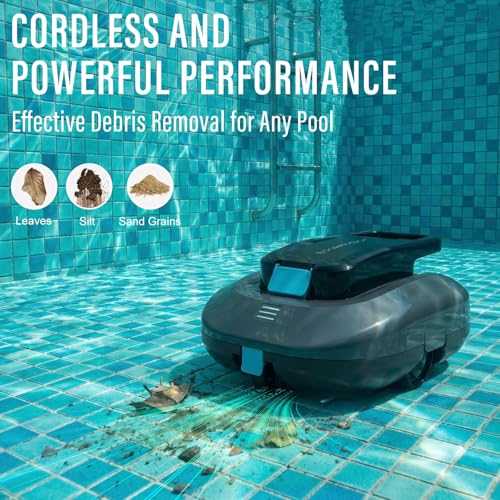
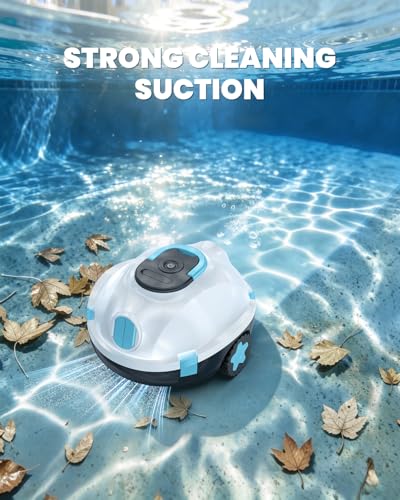
Cleaning performance matters because the whole point of a pool cleaner is to remove visible debris, reduce buildup, and help the water look clearer with less manual effort from you. Look for a cleaner that can handle the debris common in your pool, reach the surfaces that collect dirt, and maintain steady suction or scrubbing power; watch out for models that only pick up large debris while leaving fine sediment, algae film, or missed patches behind.
First decide whether your main problem is floating debris, floor sediment, or wall/waterline buildup, because many robotic cleaners excel at only one of those jobs. For a tree-lined pool, a surface-skimming robot can prevent leaves, bugs, and pollen from sinking; for grit, sand, or algae residue, you need a floor-capable unit with suitable filtration and real navigation coverage. Owner feedback supports this distinction: shoppers especially praise automated surface cleaning for leaves, bugs, pollen, and other floating debris, while cordless floor robots are liked for making routine cleaning feel more hands-off and leaving the pool noticeably cleaner.
Battery
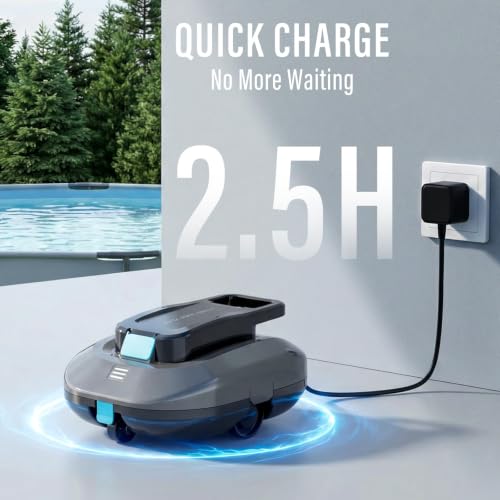
Battery life matters because it determines whether a cordless or solar-powered pool cleaner can finish a full cleaning cycle before it needs to recharge or return to sunlight. Look for runtime that matches your pool’s size and debris load, and watch for shorter real-world performance when cleaning heavy leaves, climbing walls, or operating in cooler or low-sun conditions.
For battery models, match runtime to your pool size, cleaning cycle, and sun exposure rather than assuming “cordless” means maintenance-free. Solar-assisted skimmers can be excellent for all-day surface work, but shaded pools, cloudy stretches, battery aging, and non-replaceable packs can turn into failure points; floor robots with short cycles may need multiple runs for large or dirty pools. Owner sentiment is broadly positive on solar charging and continuous day/night use, but mixed reports note that some batteries eventually stop holding charge and that around 1.75 hours per charge may or may not be enough depending on expectations.
Ease
A pool cleaner should save you time, not add another complicated chore. Look for a model that’s simple to set up, start, empty, and rinse out, with accessible debris bins or bags and controls you can understand quickly. Watch out for cleaners that require frequent untangling, awkward disassembly, or extra steps after every cycle, since those hassles can make “automatic” cleaning feel less convenient.
Look for a cleaner you can actually live with daily: top-access baskets, a handle you can reach from the deck, manageable wet weight, simple retrieval, and no awkward cord routing around ladders, steps, or drains. If you want true drop-in convenience, check whether it needs app setup, manual mode changes, frequent filter rinsing, or removal before swimmers use the pool. Owners often say these cleaners save time because they can be turned on, placed in the water, and emptied when the basket fills, with cordless operation especially appreciated by people tired of cords and manual skimming.
Debris
Debris pickup matters because it determines how well your pool cleaner can handle the leaves, dirt, sand, and grit that actually collect in your pool. Look for strong, consistent suction and a design that can capture both large debris and fine particles without clogging or losing power, especially if your pool is near trees, exposed to wind, or has a textured surface.
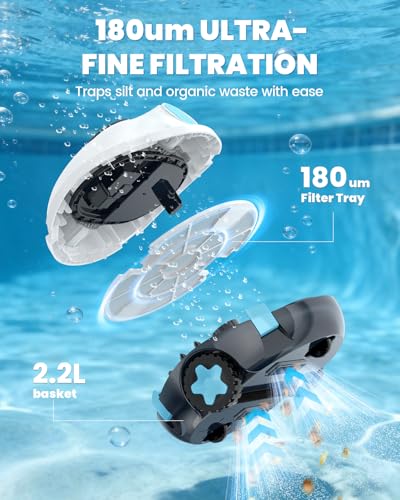
Match the intake and filter to your specific debris load: wide throats and large baskets for leaves, seed pods, and bugs; fine filter panels or cartridges for pollen, sand, and silt; and realistic expectations for algae, which usually requires chemistry correction and brushing rather than just robotic pickup. Avoid small-basket units for heavy leaf pools, and avoid coarse skimmer-only designs if your main complaint is fine dust on the floor. Owner feedback backs this up: debris pickup is praised for leaves, bugs, pollen, and small particles, but some buyers report that fine particles, algae, or very light dirt can be missed or stirred up.
Value
A pool cleaner should save you time and keep the water and surfaces consistently clean enough to justify what you spend. Look for value in the balance between cleaning coverage, reliability, ease of maintenance, energy use, and included features; a cheaper option can cost more in hassle if it misses debris, needs frequent attention, or wears out quickly.
Judge value by the specific manual task the robot will replace, not by the idea that it will eliminate pool maintenance altogether. A surface unit is most valuable where leaves and pollen need daily skimming; a floor/wall robot is worth more if it reliably covers your pool shape, slope, drains, and waterline without repeated rescues. Owners often frame these cleaners as worthwhile because they reduce manual skimming and vacuuming, though value reactions become more divided when battery life, wall climbing, or coverage does not match the buyer’s pool.
Build
You want a pool cleaner that feels sturdy and keeps working reliably through repeated exposure to water, chemicals, debris, and sun. Look for durable housing, solid wheels or tracks, well-fitting filters or bags, and parts that are easy to replace when they wear out. Watch out for flimsy clips, loose seals, brittle plastic, or designs that make routine replacement parts hard to find or install.
Inspect build details that matter in chlorinated, salty, sunny water: sealed motors, UV-resistant plastic, corrosion-resistant fasteners, durable tracks or wheels, accessible filters, and replaceable wear parts such as brushes, baskets, impellers, and batteries. Also check compatibility with your pool surface—vinyl, fiberglass, plaster, pebble, tile—and whether the robot is prone to getting stuck on main drains, raised drains, ladders, benches, steps, or beach entries. Owners generally describe well-built units as long-term pool-maintenance investments that make cleaning more hands-off, but the real durability test is whether the materials, seals, and consumables are suited to your pool’s fa
1,000,000+ shoppers use Buyer's Guide every week to find the best products and services online.

Helping millions of users make smarter purchases online.


