






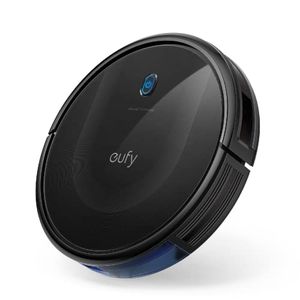


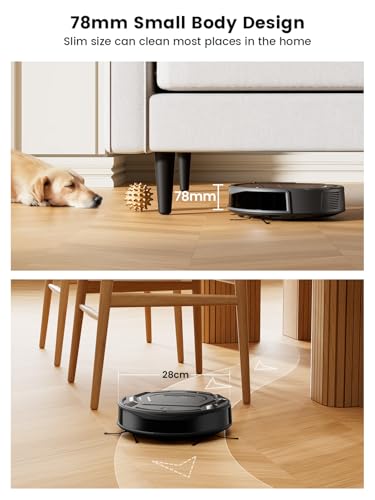


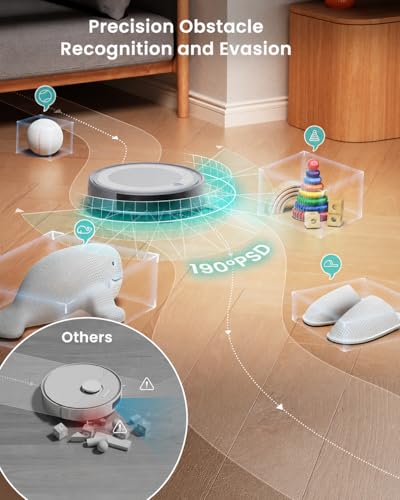


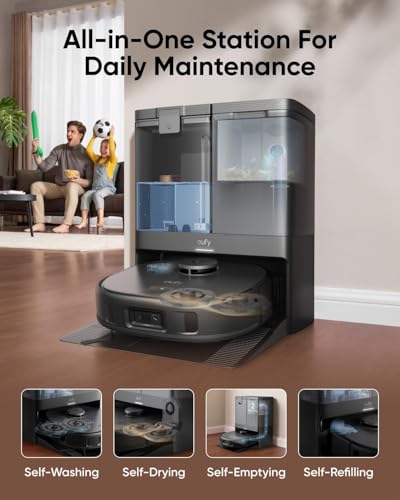


We also considered 10 others:





Our Top Choice
Compare Features


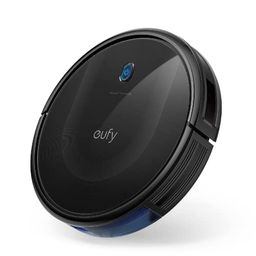


The order above is not editorial opinion, and it is not paid placement. It comes from what shoppers across our network actually do - which robot vacuums they compare, and which they ultimately buy, together with the product traits and the commercial relationships that keep this site free. We re-rank as new data comes in, so the long-term favorites have to keep earning their spot against new entrants. The full method, including how we make money.
Robot Vacuums Buyer's Guide
Robot vacuums are a tradeoff between hands-off daily maintenance and how much prep, mapping, and upkeep your home requires before each run. The sharpest checks are whether the robot can handle your actual floor plan—rugs, thresholds, pet hair, chair legs, and mixed hard floors—and whether its dock, battery, app, and obstacle handling are reliable enough that it does not become another chore.
Cleaning
Cleaning performance is the core reason to buy a robot vacuum, so you’ll want one that reliably picks up dust, crumbs, pet hair, and larger debris across the floors you actually have. Look for strong, consistent suction and effective brush design rather than just big power claims, and if you want mopping, make sure it can manage water evenly without simply dragging a damp pad over dirt.
Prioritize suction, brush design, bin capacity, and mop behavior for your actual debris load: pet homes need strong hair pickup with brushes that resist tangling, hard-floor homes should look for consistent edge and fine-dust pickup, and mop-vac models should separate vacuuming from wet cleaning well enough to avoid dragging damp grime across rugs. If you have high-pile rugs, heavy shedding, tracked-in grit, or sticky kitchen messes, do not assume a robot will replace a full-size vacuum or manual mop; look for strong routine maintenance performance rather than one-pass deep cleaning. Owner feedback supports this split: many buyers praise robot vacuums for everyday dust, fine dirt, pet hair,
Navigation
Good navigation determines whether your robot vacuum cleans in efficient, complete passes or wanders randomly, misses rooms, and gets stuck. You’ll want reliable room mapping, sensible route planning, and obstacle avoidance that can handle furniture, thresholds, cords, and clutter without constant rescues. Watch out for vacuums that struggle to remember layouts or repeatedly get trapped, since poor mapping can make even strong suction feel frustrating.
Choose navigation based on layout complexity: open apartments can tolerate simpler bump-and-run movement, but homes with multiple rooms, rugs, furniture clusters, pet bowls, cords, or zones that must be avoided should strongly favor accurate mapping, room labeling, no-go zones, and targeted room cleaning. Check whether the robot can resume after charging, return to its dock reliably, recognize rugs during mopping, and handle thresholds without wandering or trapping itself. Owners most often praise models with quick mapping, orderly paths, room customization, scheduling, and easy zone control, while the clearest complaints involve non-mapping robots getting stuck or lost and some mapped units
Reliability
A reliable robot vacuum should run on schedule, navigate consistently, and return to charge without needing constant resets or rescues. Look for signs that the app, sensors, battery, wheels, brushes, and dustbin hold up under repeated use, and be wary of models with frequent connection issues, mapping glitches, unexplained errors, or parts that seem prone to jams and wear.
Treat reliability as a core feature, not an afterthought: verify docking consistency, battery life for your square footage, replacement-part availability, brush and filter maintenance, error recovery, and whether the robot can finish a job without frequent rescues. Homes with lightweight mats, dark rugs, cords, toys, or uneven thresholds should be especially cautious, because these are common failure points that can turn automation into daily babysitting. Owner sentiment backs this up: some buyers report dependable, no-fuss daily cleaning, but others describe docking failures, battery discharge, lost setup, unfinished cycles, obstacle trouble with rugs or mats, and errors that appear months
Ease
A robot vacuum should save you time, not add another fussy gadget to manage, so look for straightforward setup, an intuitive app, reliable scheduling, and controls that make sense in daily use. Watch out for models that bury basic features behind confusing menus, require frequent troubleshooting, or make it hard to adjust rooms, no-go zones, and cleaning times when your routine changes.
Look for ease features that reduce recurring work, not just easy first setup: app-guided mapping, clear room editing, reliable schedules, simple no-go zones, intuitive water-tank handling, washable filters, accessible brushes, and alerts that explain exactly what needs attention. If multiple people will use it, check whether controls are understandable without constant app troubleshooting, and if Wi-Fi is unreliable, confirm whether basic cleaning can still be started from the unit. Owners commonly support this priority, praising straightforward setup, quick mapping, app control, room targeting, scheduling, clear instructions, and basic controls that make daily use feel manageable once the
Value
Value matters because a robot vacuum can range from a simple maintenance cleaner to a feature-packed self-emptying system, and the right choice depends on whether you’ll actually use what you’re paying for. Look for strong everyday cleaning, reliable navigation, useful app controls, and low-maintenance features that fit your home; watch out for paying extra for flashy functions that don’t improve performance or convenience for your needs.
Judge value by how much real labor it removes in your home, not by feature count alone: a cheaper non-mapping model can be worthwhile for simple hard-floor maintenance, while a more advanced mapping or mop-vac unit only pays off if it reliably cleans the rooms you need without prep-heavy rescues. Factor in filters, brushes, mop pads, bags if the dock self-empties, battery longevity, and the cost of a failed automation system that stops being used. Owners often feel robot vacuums are a strong value when cleaning, navigation, low-profile access, and daily time savings work well, but value becomes mixed when reliability problems or repeated failures make the purchase feel hard to justify.
1,000,000+ shoppers use Buyer's Guide every week to find the best products and services online.

Helping millions of users make smarter purchases online.


